


Introduction — Hvar Restaurants: Choose Authentic Eats Over Tourist Traps
Hvar, the Adriatic gem of Dalmatia, has drawn sunseekers for decades with its crystal waters and Mediterranean vibes. But hidden behind the yachts and the crowded harbor terraces is a culinary reality that’s often misunderstood: the difference between restaurants built for mass tourism and the authentic spots that truly represent local cuisine. Choosing authentic over touristy isn’t about snobbery or rejecting comfort; it’s a conscious decision to favor local ingredients, respectful preparations, and experiences that tell a story — the story of Hvar’s fishers, farmers and families.
In this comprehensive guide I’ll give you a practical, detailed approach to spotting, booking and savoring the restaurants that deserve your time and money. You’ll find recommended venues — full names, exact addresses, price ranges in euros and opening hours — plus concrete signs that separate a genuine local table from a tourist trap. Expect immersive descriptions for each place, insider tips (from kitchen staff to the harbour boss), and practical info about reservations, budgets and restaurant etiquette in Hvar.
Along the way you’ll learn how to read a menu, how to ask for the daily special in Croatian, how to spot fresh produce at a fishmonger’s stall, and why confident simplicity often beats a globally calibrated menu. This guide is aimed at curious travelers who want to veer off the beaten path while maintaining reliability and quality. You’ll also get precise timing cues, because in Hvar — as across the Mediterranean — the rhythm of meals and deliveries heavily shapes the dining experience.
Finally, this isn’t a mere ranking: it’s a culinary travel handbook. You’ll get concrete tips (when to arrive, what to order, how to negotiate a fisherman’s dish) and useful Croatian phrases to ease communication. The goal: to leave Hvar not just satisfied, but enriched by an authentic, shareable and sustainable food experience.
Why avoid touristy restaurants (and what it costs you)
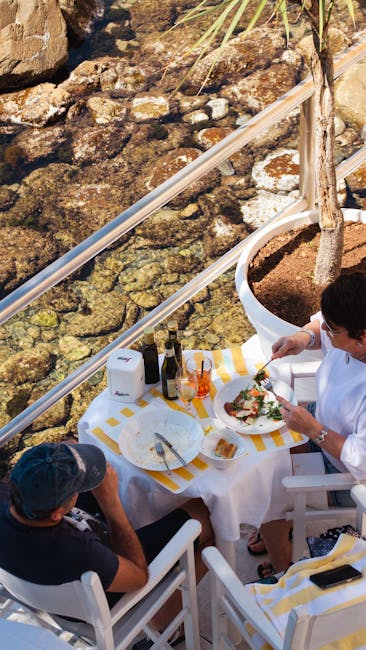
Hvar’s coast is an international destination and, like anywhere tourism concentrates, the dining scene has adjusted to a diverse demand. Touristy restaurants tend to prioritize volume, looks and price points designed to please the widest crowd: translated menus, big but standardized portions, and simplified recipes. The result? A formatted dining experience where local products are sometimes replaced by cheaper or frozen alternatives.
Tangible costs: if you habitually pick places aimed only at tourists, you often pay a location premium (seafront terraces), markups on imported items (a “premium” balsamic, imported Parmesan) and higher service charges to support intensive staffing (many servers who may be undertrained). In Hvar this can add 20–40% to a meal compared with an equivalent local table. For example, a touristy seafood plate might cost €30–45 instead of €18–28 at a fisher‑run spot.
Intangible costs: the experience loses authenticity. Dishes can drift from their terroir — olives, citrus, wild herbs (wild fennel, rosemary), daily fish — becoming “globalized” products. There’s also an impact on the community: favoring restaurants that buy in bulk and import rather than support small local producers undermines the local food chain.
How to spot an overly touristy restaurant? Several signs:
- Heavy multilingual menus (several pages translated into many languages, often with photos): handy, but sometimes a sign the place aims for high turnover.
- Overly extensive menus: 120 dishes covering Italy, Greece, Croatia and even Asia rarely guarantee well-mastered cooking.
- Aggressive promotions: « Special offer for tourists » signs on the pavement, hosts luring customers from the harbor.
- Frozen products or clearly generic ingredients (shrimp mixed from different sources, industrial breaded fillets).
- View surcharge: an unjustified extra for a waterfront terrace location.
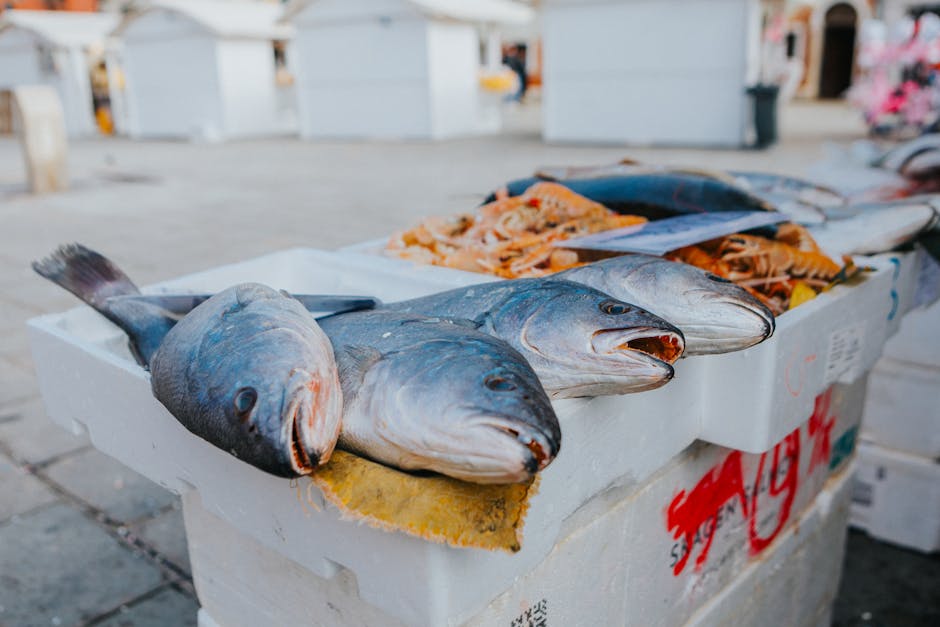
By contrast, a true local spot often has a tight menu, daily specials that reflect what’s available that morning, visible fresh produce (fish on ice at the entrance, herbs on display, house bread), and staff who take time to explain the origin of dishes. The quality‑price ratio is usually better and the experience more meaningful.
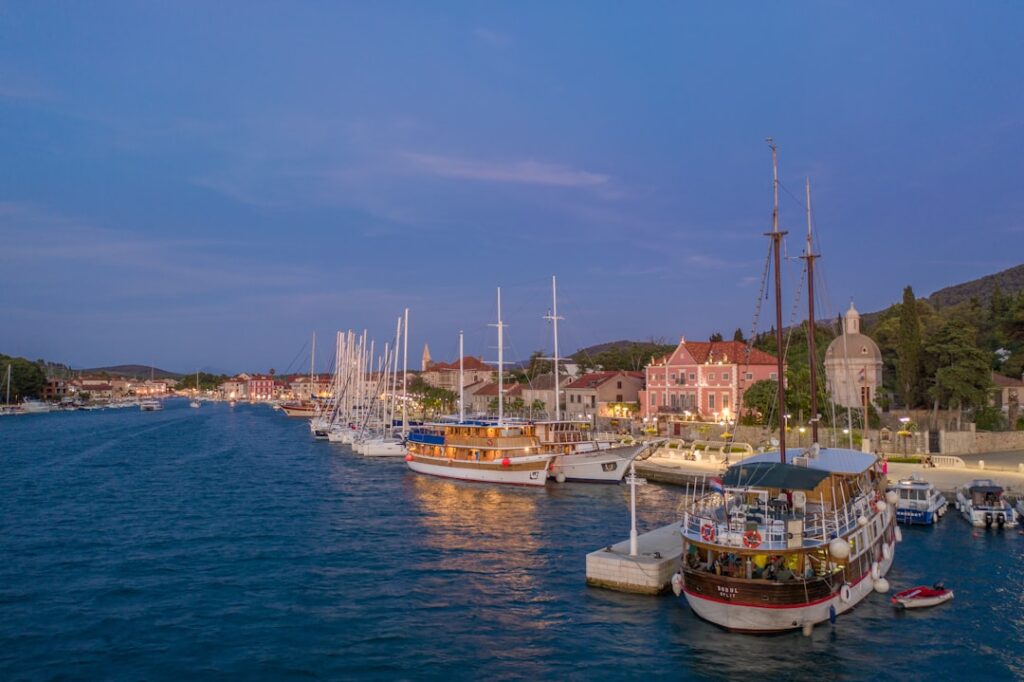
Authentic recommended restaurants in Hvar — addresses, prices, hours and descriptions
The selection below highlights local addresses known for authenticity and commitment to fresh, local ingredients. For each spot you’ll find the full address, a price range in euros, typical hours and an immersive description. These restaurants prioritize product, seasonality and often local catch.
1) Gariful — Obala Fabrika 8, 21450 Hvar — Price: €25–55 / person — Hours: 12:00–23:00
Gariful is emblematic of Hvar: set on the waterfront, it offers a refined selection of seafood prepared with technique and respect for the ingredient. The atmosphere is elegant without being stuffy; expect dishes like grilled king crab (approx. €45–55), octopus carpaccio (€18–28) and assorted shellfish plates (€20–35).
This restaurant works closely with local fishers to offer a daily catch often listed on a blackboard. Service is professional and can recommend Croatian wines to match. Local tip: for the best experience, ask for a whole fish (daily grilled fish, €28–38) and let the chef suggest seasonal sides based on local olive oil and vegetables.
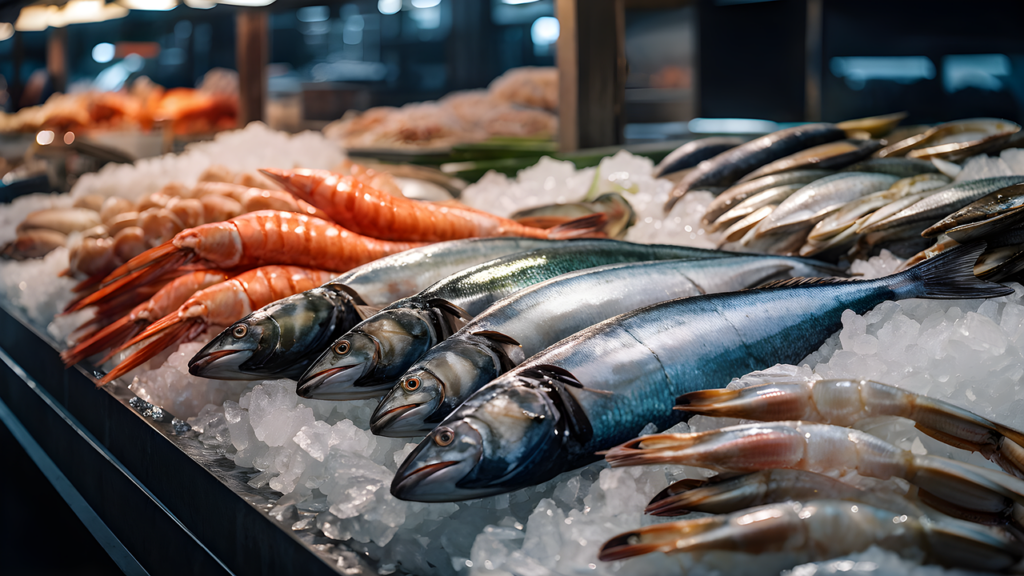
2) Konoba Menego — Ulica Uz Brigu 12, 21450 Hvar — Price: €15–35 / person — Hours: 11:00–22:00 (closed Mondays off-season)
Konoba Menego is a small family konoba known for simple, hearty Dalmatian dishes. Expect specialties like peka (meat or octopus cooked under a bell over embers — shared dish for 2–3 people, €35–60 depending on the meat) and grilled fish with roasted potatoes (€15–25).
The décor is rustic: exposed stone, simple tablecloths, and a wood-fired oven visible from the main room. Portions are generous and the cooking highlights local ingredients, especially island-pressed olive oil, bitter Hvar olives and wild herbs. Tip: call the day before to reserve a peka, as it requires long cooking and special prep.
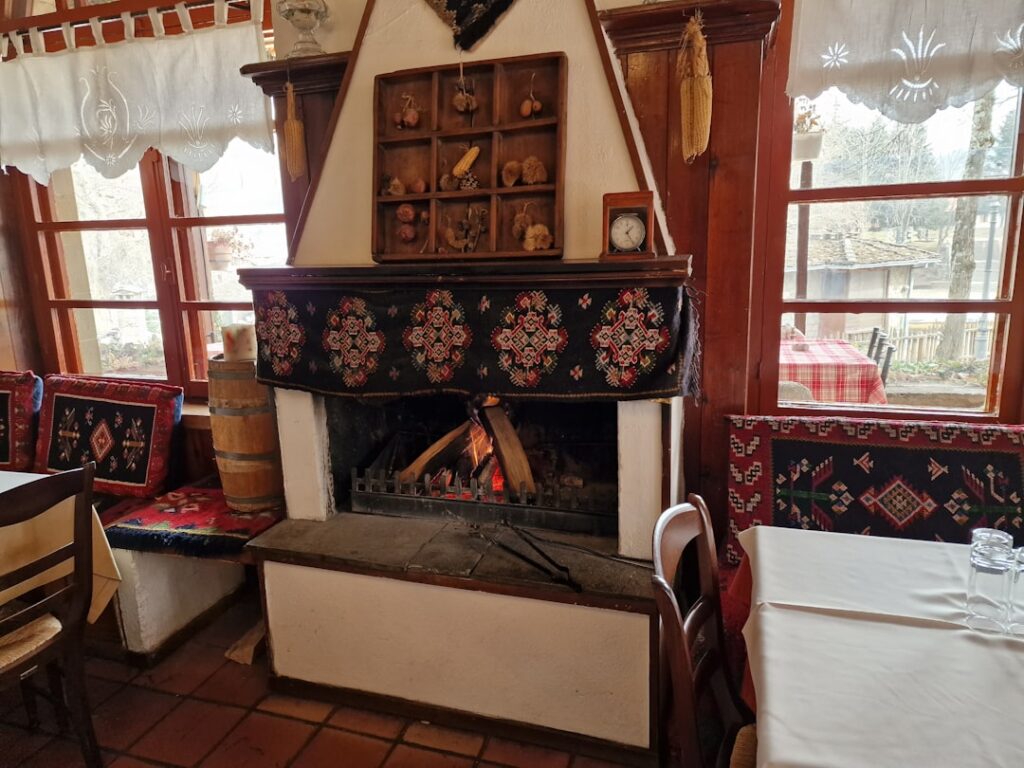
3) Dalmatino — Trg Štacije 1, 21450 Hvar — Price: €20–45 / person — Hours: 12:00–23:30
Dalmatino blends Dalmatian cooking with modern influences. The menu is broader, but the quality of the meats and the mastery of the cooking make it a must-visit. Lamb chops (served at €24–36), seafood risottos (€18–28) and a selection of local artisan cheeses are particularly popular.
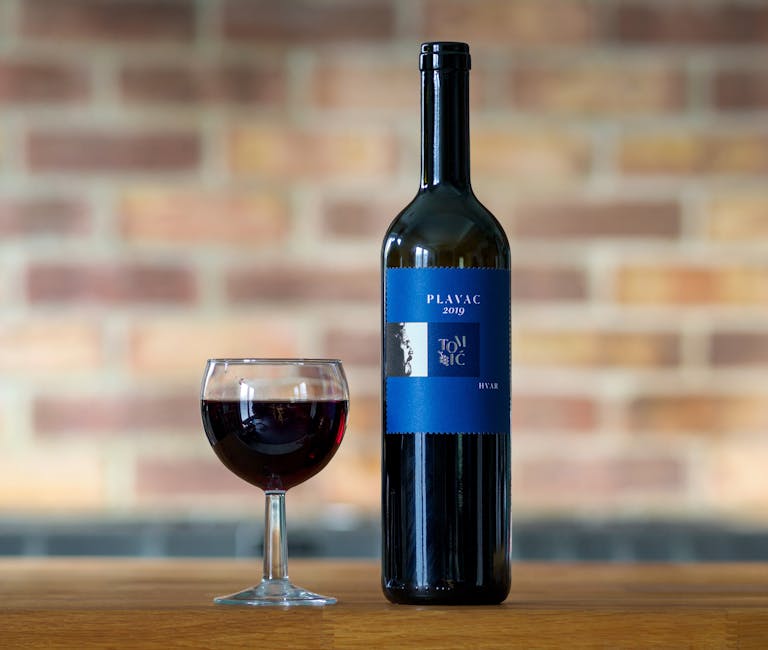
The vibe is friendly and often animated by a mix of locals and international diners. The chef focuses on seasonal products and sources from island farms and fishers. Insider tip: pick a Dalmatian wine (Plavac Mali, €28–45 per bottle) to pair with a grilled meat.
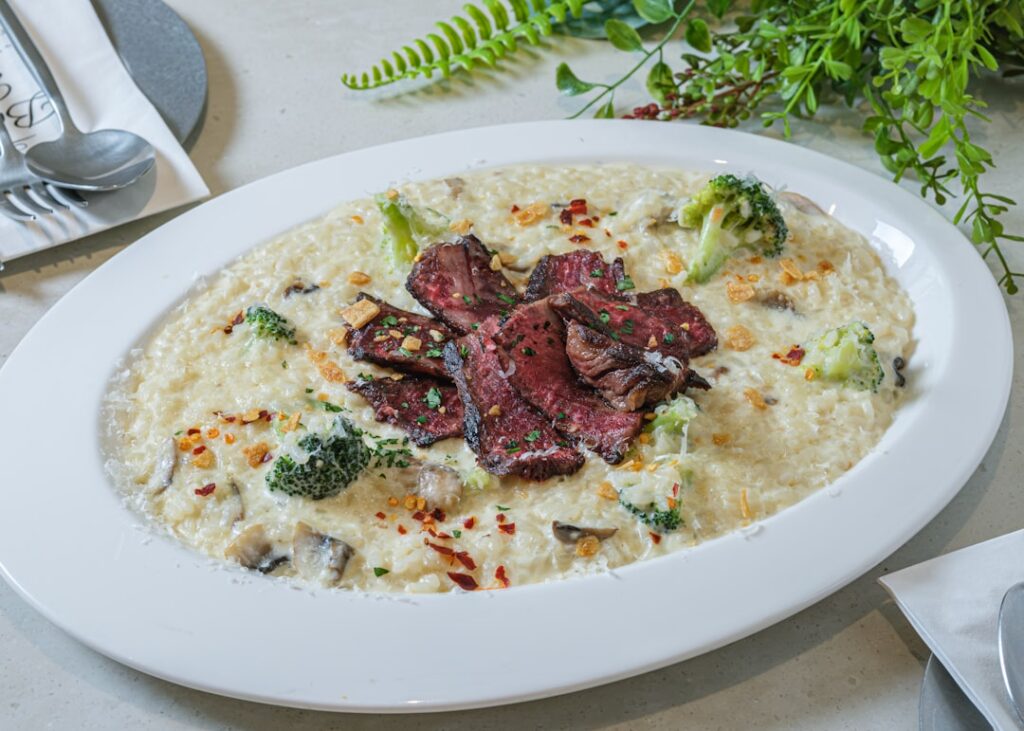
4) Konoba Rasti — Ulica Sv. Marije 10, 21450 Hvar — Price: €12–28 / person — Hours: 11:00–21:00 (closes early off peak)
Konoba Rasti offers an intimate konoba experience, often frequented by island locals. Daily specials are simple and honest: fried calamari (€10–16), brodetto (fish stew, shared, €18–30) and composed salads with local vegetables. The atmosphere is warm and service attentive.
The restaurant is prized for its value and for selling homemade preserves (olive oil infusions, sauces) to take away. Practical tip: arrive early in the evening (before 19:00) to enjoy the freshest fish and a spot on the small terrace.
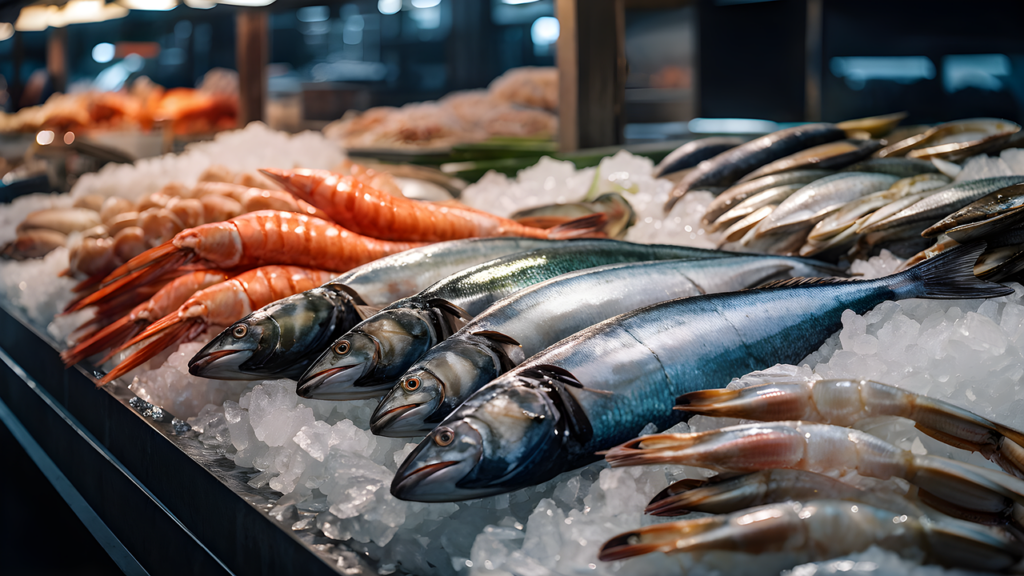
5) Laganini Lounge Bar & Fish House — Sv. Ivana 3, 21450 Hvar — Price: €30–60 / person — Hours: 12:00–01:00
Laganini offers a contemporary fish-focused experience with cocktails to match. Located on a sheltered quay, it has great views and a curated menu: local tuna sashimi (€20–30), seafood linguine (€18–28) and signature dishes featuring lobster or crab when available (€35–60).
Places like Laganini show how modern aesthetics can work alongside locally sourced products. Book ahead in high season and ask the chef for recommendations based on the day’s supply.
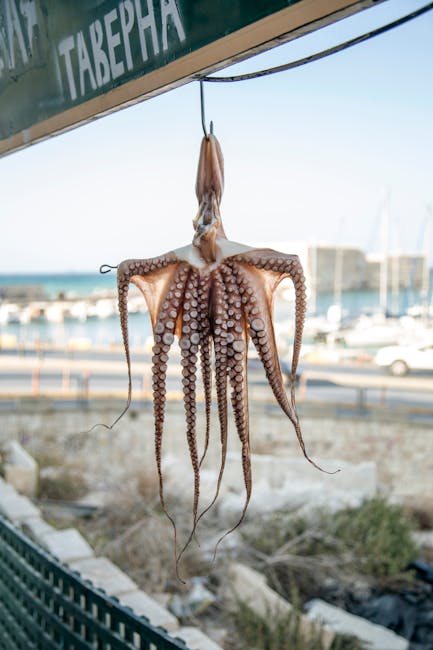
6) Fig Cafe Hvar — Ulica V. Trg 4, 21450 Hvar — Price: €5–18 / person — Hours: 08:00–22:00
For a light break, Fig Cafe is a go-to for fresh lunches built around local produce: fig and prosciutto salad (€8–12), sheep’s cheese toasts (€6–10), homemade desserts (€4–7). The café favors artisanal products, quality coffee and fresh juices.
It’s perfect for a quick lunch or an afternoon snack after a swim. Tip: ask for the house bread of the day and a side of olive oil for dipping — a simple, delicious way to taste Hvar.
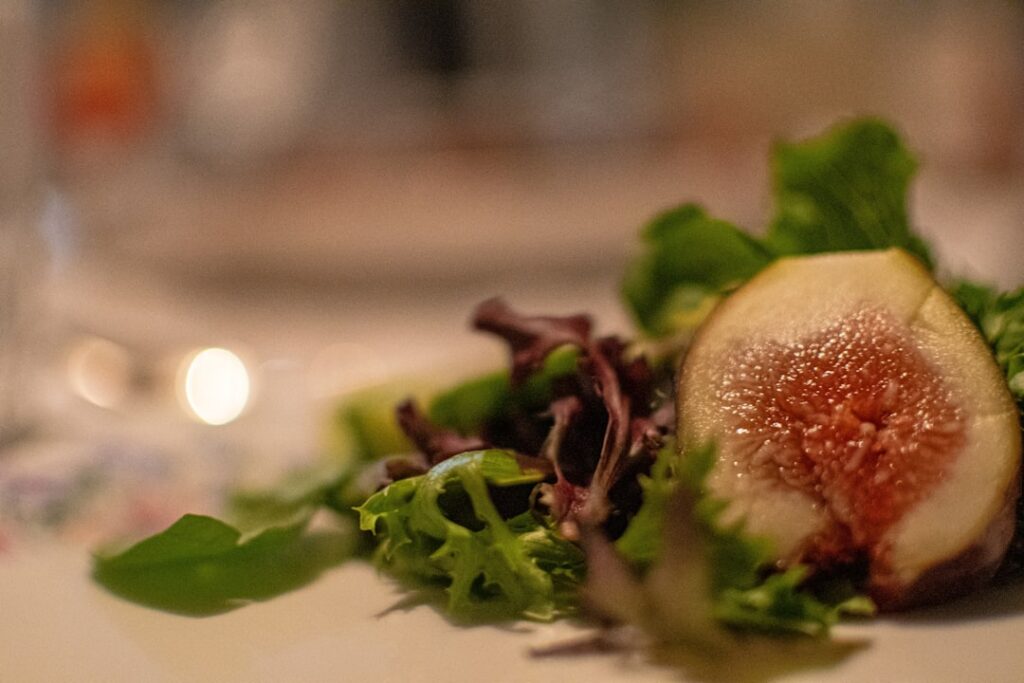
7) Restaurant Macondo — Ulica Novljanska 2, 21450 Hvar — Price: €15–35 / person — Hours: 12:00–23:00
Macondo serves contemporary Dalmatian cuisine with broader Mediterranean touches. The menu shifts with the seasons, but you’ll often find vegetarian options, plates of local cheeses and homemade desserts. Portions are thoughtful and the care given to food-and-wine pairings is notable.
Local tip: trust the sommelier for pairings with lesser-known local wines like Pošip or Rukatac, and try a fig-based dessert — the island’s signature fruit.
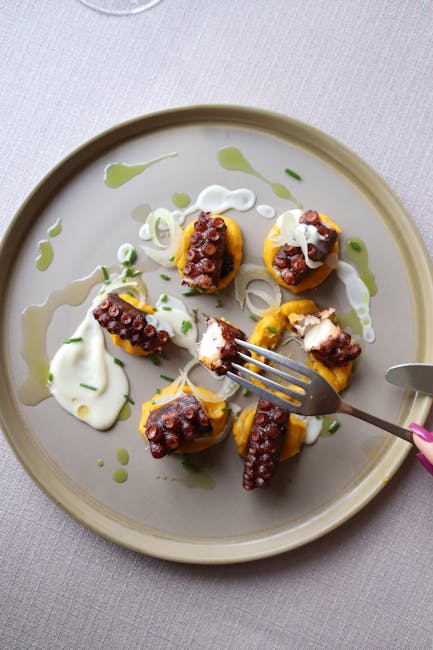
8) Konoba Maslina — Obala Dr. Franje Tuđmana 5, 21450 Hvar — Price: €10–30 / person — Hours: 11:00–22:00
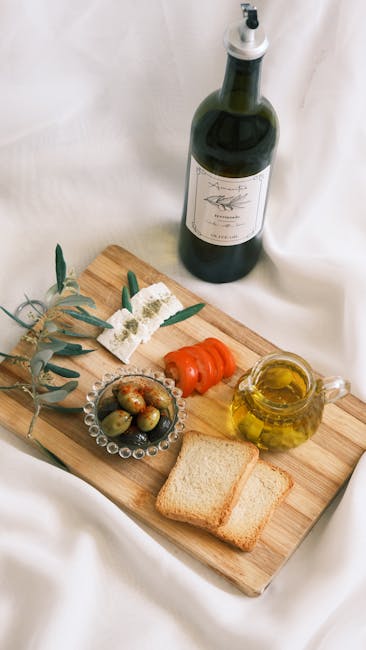
Konoba Maslina focuses on land-based products: olives, oil, cheeses and vegetables. Olive oil–forward antipasti are a great way to start (€5–12), while mains remain simple: stews, grilled vegetables and homemade pasta (€8–18).
This kind of place is ideal for travelers who want to explore the island’s terrestrial flavors rather than just the sea. Sometimes the konoba offers olive oil tastings or orchard visits — ask when booking.
How to recognize a real konoba, local pizzeria or fish-house in Hvar
Knowing how to spot genuine local places is a useful skill that will transform your food experience. Here are tangible signs and behaviors to watch for, illustrated with practical examples.
- Daily menu posted: local spots often show the fish of the day or dishes prepared according to what arrived that morning on a blackboard. If everything is « frozen » or static, be cautious.
- Local products predominant: look for menu notes like « local », « from island », « peka », or producer names (olive oil X from Hvar, cheese Y from Stari Grad).
- Open kitchen: small konobas with an open kitchen or visible wood oven usually mean homemade preparations.
- Local staff: a team whose first language is Croatian, sometimes with older servers, is a good sign — they often guard family recipes.
- Local clientele: if you see islanders (fishers, workers) eating there, take note — it’s often one of the best indicators of quality and value.
- Short, simple menus: small menus (10–15 dishes) generally signal fresh turnover and well-executed dishes.
Concrete examples in Hvar:
- If you find a konoba offering peka cooked under a metal bell and preparing three to four daily dishes, you’re on the right track. Peka is typically ordered at least 24 hours in advance and costs €30–60 depending on the meat and number of diners.
- A proper fish-house will list approximate sizes and weights of fish for grilling (for example, sea bream 400–600 g: €18–28). It will also serve shellfish simply to let the flavor shine.
- For a local pizzeria (rare but present on Hvar), look for a visible wood oven and a short menu: pizzas €6–12 using local ingredients (sheep cheese, wild rocket, Hvar olive oil).
One last tip: visit the morning markets (for example the morning market near the port) to meet producers and chat. The best restaurants will often tell you where their fish or olive oil comes from — don’t hesitate to ask: « Where is your fish from? » (or « Odakle je riba? ») to test transparency.
Practical tips for booking, ordering and managing your budget in Hvar
Visiting Hvar in high season requires planning, especially if you’re targeting authentic restaurants with limited seating. Here are practical tips to make the most of your culinary experience.
- Book ahead: many konobas and authentic restaurants have few tables. Reserve at least 24–48 hours ahead in high season (June–September). For a peka or special preparation, call 48+ hours in advance.
- Smart timing: locals often dine between 19:00 and 21:00. To avoid crowds, aim for 18:00 or after 21:30. Dining early (12:00–13:00) also guarantees fresher produce on the plate.
- Average budget: expect €15–35 per person for an authentic lunch or dinner (starter, main, drink). Higher-end seafood places can rise to €45–70 per person if you order lobster or rare fish.
- Tips and payment: service is often included in the bill in Croatia, but leaving 5–10% for excellent service is appreciated. Many small konobas prefer cash; keep euros and kunas on hand (depending on the period). Since Croatia adopted the euro, more places accept cards and euros, but check before ordering.
- Questions to ask: always ask « What is the fish of the day? » (« Koja je riba dana? ») and « Is it fresh/caught today? » (« Je li svježa? »). For peka, ask about weight and cooking time. For grilled dishes, ask about the cooking method and sides.
- Avoid waste: if a dish is too large, share. Ordering family-style lets you taste more specialties without blowing the budget.
Wine management: favor local wines (Pošip, Plavac Mali): they’re often cheaper than big international labels and pair better with Dalmatian dishes. Expect to pay €18–45 per bottle in a good restaurant; some places offer glasses for €4–8.
Final tip: trust your nose. If a dish smells reheated or a fish has an off odor, politely decline. An authentic, product-respecting establishment will satisfy you; transparency is usually their hallmark.
Conclusion — Eating real food in Hvar: an effort worth making
Choosing authentic over touristy in Hvar is more than a culinary preference: it’s an ethical, educational and aesthetic choice. By favoring restaurants that highlight local products, seasonality and traditional skills, you support a sustainable food economy and create richer memories than a standardized harbor terrace can offer.
This guide gave you concrete cues to recognize authentic places, precise addresses with price ranges and hours, and practical advice for booking and budgeting. Family konobas, fish-houses tied to the morning catch and committed restaurants are the true guardians of an island cuisine that blends sea and land, simplicity and finesse.
Remember that dining is also social: talk to servers, ask a dish’s backstory, discuss fish preservation or olive harvest methods. These conversations enrich your meal and strengthen connections between visitors and the local community. Finally, act respectfully: avoid waste, share portions when possible, and accept that some preparations, like peka, take time — often it’s that time that turns a meal into an experience.
When you leave Hvar you won’t just take home photos of coves and alleys, but the island’s taste memory. Every time you order a grilled fish or a plate of olives later on, you’ll remember why sometimes it’s worth leaving the most visible terrace for a small table where cooking has been a family craft for generations.
Enjoy your meals and your trip: may your dining in Hvar be sincere, flavorful and unforgettable.