


Introduction: Understanding Hvar’s Religious Traditions
The island of Hvar, tucked into central Dalmatia in Croatia, is far more than a sun-and-sea destination: it’s a living blend of religious customs, church architecture, and popular rituals that have shaped local identity for centuries. Hvar’s religious life is woven from Venetian history, Roman Catholic heritage, local confraternities and patronal festivals; it shows up in processions, solemn Masses, pilgrimages, and the sacred art kept in the island’s churches and monasteries. For visitors, getting to grips with these practices doesn’t just help you appreciate the monuments — it also reveals the cultural soul of Hvar, the seasonal rhythms of public devotion, and the moments when the community comes together.
This guide aims to explain the main religious traditions of Hvar in a clear, practical way: where to go, what to see, when to take part, how much it costs, and how to behave respectfully. You’ll find immersive descriptions of key sites: the Cathedral of St. Stephen (Katedrala Sv. Stjepana) in Hvar Old Town, historic convents and monasteries, the little village chapels scattered across the island, and major celebrations such as the town’s patronal feast and Holy Week rites. I’ll list exact addresses, typical opening hours, entrance fees (when applicable), and local tips — for example the best times to attend a Mass, how to join a procession, or how to photograph without causing offense.
Hvar’s religious traditions are often seasonal: high tourist season overlaps with major festivals (June–August), while late spring and autumn offer a more intimate atmosphere for discovering rituals. Some sites have reduced hours off-season and may ask for a small contribution toward the upkeep of religious art — from Renaissance altarpieces to tapestries, historic bells and confraternity archives. Expect practical information in this guide: postal-format addresses, typical opening times, prices in euros, short local stories and recommendations on respectful behavior (dress, photography, silence).
A helpful reminder before we dive in: Hvar’s religious culture is predominantly Roman Catholic, but tinted by a diverse Mediterranean history. Locals are generally welcoming and happy to share their festivals and traditions with curious, respectful visitors. Whether you’re a believing traveler, a lover of sacred art, a photographer, or simply culturally curious, this guide will help you navigate churches, monasteries, processions and popular rites — with practical details to plan visits and have meaningful experiences on Hvar.
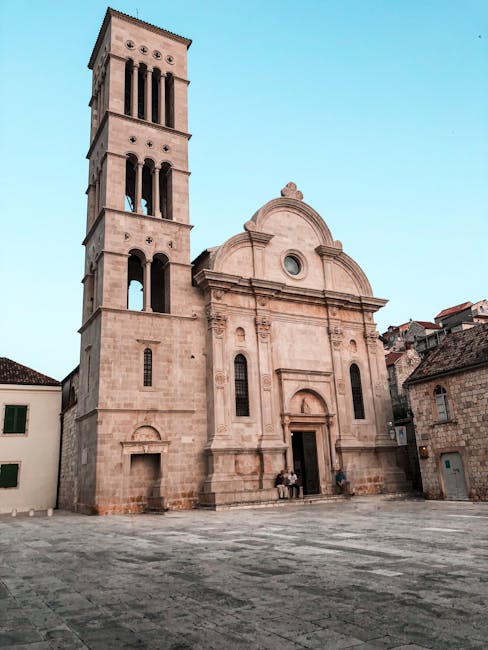
Katedrala Sv. Stjepana (Cathedral of St. Stephen): Hvar’s Spiritual and Artistic Heart
The Cathedral of St. Stephen (Katedrala sv. Stjepana) dominates Hvar’s main square and is the ideal starting point to understand local religion and sacred art. Full name: Katedrala sv. Stjepana (Cathedral of St. Stephen). Address: Trg sv. Stjepana 1, 21450 Hvar, Croatia. Sitting on St. Stephen’s Square (Trg sv. Stjepana), it’s one of the first buildings you see when you arrive on the waterfront. Its architecture mixes Gothic and Baroque elements — a sign of successive renovations during Venetian rule and later restorations.
Opening hours (subject to seasonal change): usually open to the public 09:00–12:30 and 16:00–19:00 in high season (April–September). In low season the cathedral may open only in the mornings (09:00–12:00). Sunday Mass: 10:00 (in Croatian — check local notices for other languages or special times). Entrance: access to the main nave is often free; however, visiting the bell tower or some art exhibitions may require a ticket of around €2–5 per person. Voluntary donations for maintenance are welcome.
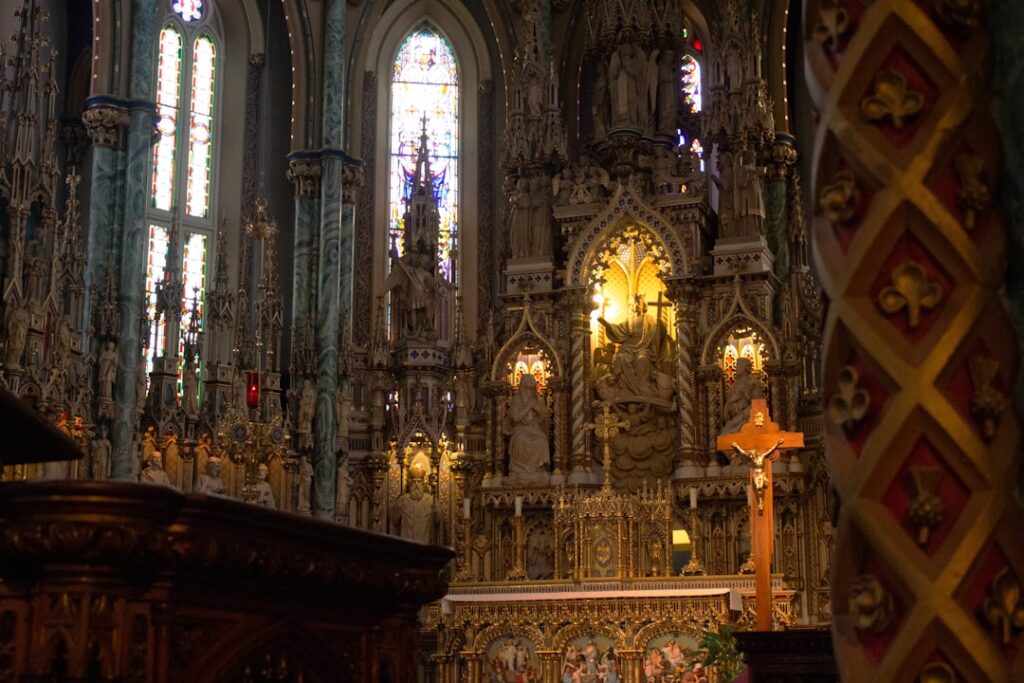
A visit to the cathedral reveals altarpieces by local and Venetian artists, marble sculptures and the church’s treasury. Don’t miss the main altarpiece and the small side chapels where family devotions continue. For a much-loved panorama, some visitors climb the campanile (bell tower) — if it’s open — for views over the old town and Hvar Bay. Be discreet: respect silence during services, cover your shoulders and avoid very short shorts when visiting sacred spaces.
Practical tips: arrive early to beat crowds and enjoy the soft light on the façades. If you want to photograph, ask for permission during a Mass or refrain from shooting. The cathedral sometimes offers paid guided tours (€3–7) run by local guides; these provide rich historical context — stories about confraternities, relics and ancient ceremonies. Finally, check the parish office (contact details posted at the entrance) for information about baptisms, weddings or group visits.
Monasteries and Convents: Guardians of Spiritual Heritage
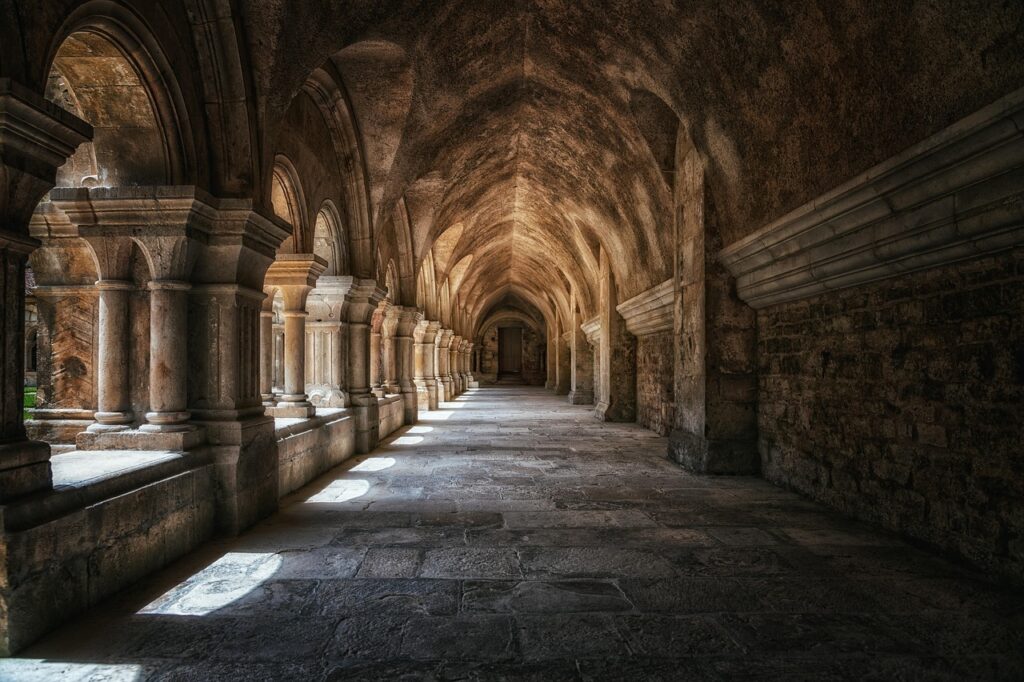
Hvar is home to several monasteries and convents — places of prayer that also preserve art and tradition. One of the most important is the Franciscan Convent (Samostan i crkva Sv. Marije / Franciscan Monastery of the Assumption), located at Ulica Svetog Ivana 4, 21450 Hvar, Croatia. With its peaceful cloister, the convent houses an old library, liturgical collections and occasional temporary exhibitions on the island’s religious history.
Opening hours: generally open 09:00–12:00 and 16:00–18:00 (high season). Fees: visiting the cloister and convent museum typically costs €3–6 per person; entry to the church for prayer is free. Check locally because services or retreats might limit access. The convent is also a place where locals come for confession and special ceremonies (religious professions, memorials).
Another notable site is the Dominican Convent (Dominikanski samostan) — smaller but close to Old Town — which occasionally hosts sacred music concerts in its acoustically resonant spaces. Address: Fra Andrije Kačića Miošića 2, 21450 Hvar (approximate — verify on site). Guided tours of these monasteries shed light on confraternities (bratovština), processions and charitable traditions that continue today.
These convents have played a social role: education, care for the sick, and archival preservation. Exploring their libraries reveals registers of baptisms and marriages that tell stories about family life and migration on the island. For visitors, the cloister’s quiet is immersive — the scent of bay laurel, muffled footsteps and light on the columns create a reflective atmosphere. Local tip: if you want a guided visit, book 24–48 hours in advance during high season; some monasteries close for major religious feasts when the community retreats.
Patronal Feasts and Processions: How to Join and When to Go
Patronal feasts structure community life in Hvar. The most celebrated feast in town honors St. Stephen (Sveti Stjepan), the cathedral’s patron — traditionally observed around December 26th for the saint, with extra local events during the summer. The busiest time for communal rites, however, is summer: sea and land processions, blessings of fields and boats, and village feasts around chapels. Holy Week and All Saints’ Day are also significant moments when pilgrims come to honor the dead.
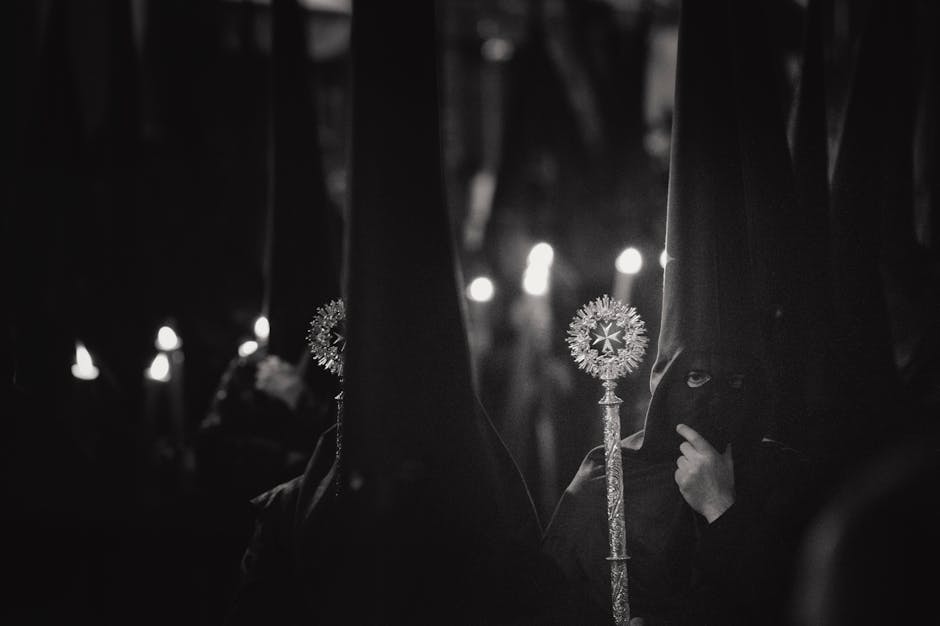
Times and how to take part: nighttime processions often start in the evening (around 19:00–21:00) to enjoy cooler temperatures and candlelight. Dates vary by year; check the cathedral’s parish board (Trg sv. Stjepana) or Hvar’s municipal website (Grad Hvar) for the annual calendar. The public is welcome; if you want to walk in a procession, dress modestly and follow organizers’ instructions.
Cost: most religious events are free, funded by the parish and local confraternities. Some associated cultural events (concerts, communal meals) may ask a small contribution (€5–20). Local confraternities (bratovštine) play a key role — preserving costumes, banners and liturgical chants during processions. Watching a boat blessing in the harbor, for example at Hvar Riva, is a striking mix of faith and maritime tradition.
Practical advice: arrive 30–60 minutes early to secure a good spot; bring a small flashlight for walking narrow stone streets at night; obey the instructions of religious authorities (don’t cross a procession’s route, don’t applaud at solemn moments). Photograph discreetly and avoid using flash during services. If you’re offered to join a festive meal, accept with gratitude — food and conviviality are central to parish celebrations.
Village Chapels, Pilgrimages and Rural Rites
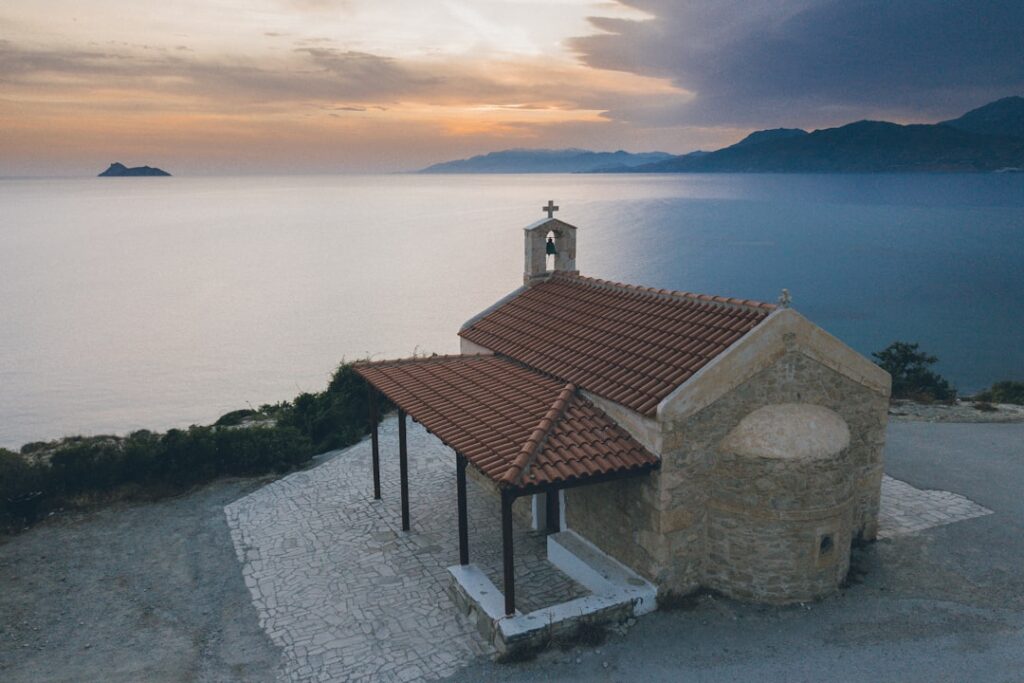
Outside the Old Town, Hvar is dotted with tiny chapels and rural shrines, often perched on hills, cliffs or by the sea. These humble sites are essential to understanding popular religious practice: offerings, ex-votos, prayers for the sea and harvests, and small local processions. A typical example are the “Gospa” (Our Lady) chapels scattered around Jelsa, Stari Grad and Vrboska.
Addresses and access: many of these chapels lack formal postal addresses and are marked by local signs. For organized visits, ask Hvar’s tourist office (Turistička zajednica Grada Hvara) — address: Trg Marsala Tita 5, 21450 Hvar, Croatia — and they can point you to walking or driving routes. Local pilgrimages can range from short 3 km walks to 15 km routes; some are held annually to mark a village’s patronal day.
Times and contributions: rural chapels are often freely accessible 24/7, but they normally don’t host regular services. Masses at these sites may be held on specific days (village feasts, annunciations) — check with the local parish. Maintenance is usually community-run; it’s common to leave a small donation (€1–3) if there’s a collection box to help upkeep.
Rites and customs: here you’ll find vernacular expressions of faith — blessings of crops, prayers for fishermen, small offerings left by statues of saints, or communal rosary counts. Elders tell stories of local “miracles”: healings attributed to a saint’s intercession. Visitors are encouraged to observe quietly, ask locals about meanings, and take part modestly if invited. For hikers, pairing a scenic walk with a chapel visit offers a special blend of spiritual and landscape experience.
Sacred Art, Religious Museums and Care Guidelines
Hvar’s religious art — altarpieces, icons, sculptures, liturgical vestments and manuscripts — is kept in churches, monasteries and a few small museums. The Municipal Museum of Hvar (Hvarski muzej) is a recommended stop for anyone interested in this heritage. Museum address: Gospina ulica 5, 21450 Hvar, Croatia. Hours: in high season generally 09:00–13:00 and 17:00–20:00; tickets: around €4–8 depending on the exhibition.
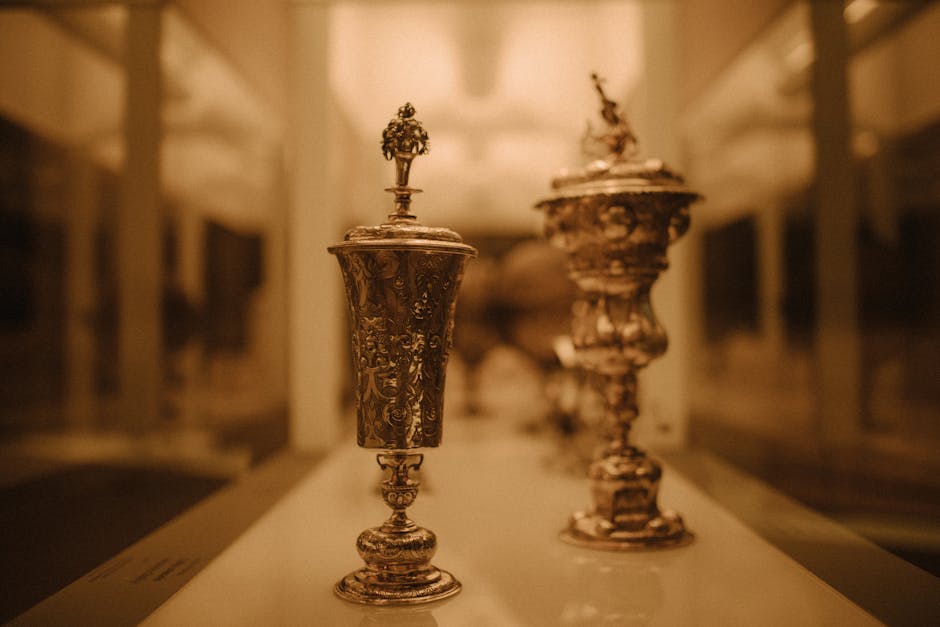
Treasures in the cathedral and convents include Venetian and Dalmatian pieces: silver crucifixes, painted altarpieces, embroidered banners and historical registers. When you enter a religious museum space, follow the rules — touching is usually forbidden, and photography may be restricted to protect pigments and fragile textiles. Museums sometimes rent multilingual audioguides (€3–5) or offer brochures in English and Croatian.
Conservation tips: don’t touch artworks, avoid flash photography (it speeds up pigment degradation), and keep a respectful distance. If you want an in-depth visit, contact the museum or convent to arrange a curator-led tour; prices range from €20 to €60 depending on length and availability. Photographers should favor natural light hours and photo-permitted sections; researchers can often request archive access with prior notice.
Finally, understanding sacred art means learning its symbols: liturgical colors (violet for Advent and Lent, white for feast days), popular devotional objects, and how art taught the faith in a time when many believers were illiterate. Local guides, often trained in religious heritage, will give interpretive keys that turn a simple visit into a deep cultural experience.
Conclusion: Visit Hvar with Respect and Curiosity
Hvar’s religious traditions are a living part of island identity: they shape architecture, music, community life and the festival calendar. As a visitor, approaching these traditions with respect and curiosity will open doors — literally and figuratively — to rewarding experiences: attending a Mass, joining a procession, discovering a quiet convent or contemplating an ancient altarpiece. This guide has given you concrete reference points: names and addresses (Katedrala sv. Stjepana, Trg sv. Stjepana 1; Franciscan Monastery, Ulica Svetog Ivana 4; Hvarski muzej, Gospina ulica 5), approximate hours and prices (entries €0–8, guided tours €3–60 depending on type), and tips on etiquette and planning.
To make the most of your stay: always double-check opening hours — services, restoration work and monastic retreats can change access; talk to locals — they love to tell the story behind a forgotten chapel or a patron saint statue; and respect local norms of dress and silence in sacred places. If you want to join a feast, arrive early, show humble interest and don’t be surprised if you’re invited to share a meal or a toast: Hvar’s community welcomes those who approach their traditions sincerely.
Remember that faith on Hvar moves to the rhythm of both waves and bells: rituals blend sea, land and prayer. Your visit can be a learning opportunity — historical, artistic and human. With the practical information provided here you’ll be able to move between major sites (cathedral, monasteries) and hidden treasures (rural chapels), and for a few hours or a few days take part in the rich religious tapestry of Hvar Island.