


Introduction: Hvar off-season — why go now and how to make the most of it
The island of Hvar, tucked into the Dalmatian archipelago of Croatia, is famed for turquoise coves, lavender fields and a lively nightlife. But visiting Hvar off-season — in late autumn, mild winter (December to February) or early spring (March–April) — delivers a very different vibe: preserved authenticity, more genuine encounters with locals, softer prices and a relaxed atmosphere perfect for unwinding and observing. Out of season, the cobbled streets of Hvar Town (Grad Hvar) reveal another side: the clack of heels gives way to fishermen’s footsteps, terraces are cosied up with blankets and sunsets remain magical but much quieter.
This practical, detailed guide will help you get the most out of Hvar off-season. You’ll find specific addresses, prices in euros, typical opening hours, immersive descriptions and local tips that have been road-tested. Whether you’re a slow traveler wanting to write, a photographer chasing soft light, a couple after a romantic escape or a hiker looking for trails, this guide helps plan every moment — from arrival at Hvar port to discovering hidden coves, the best winter-open restaurants, small family wineries and walking routes.
Low season doesn’t mean inactivity — it’s the season of encounters. Fishermen mend nets in small bays, farmers prune the vines, bakers keep local recipes alive while travelers can access monuments without queues. Here you’ll learn how to avoid tourist traps, where to stay to be at the heart of local life, which beaches remain accessible, which boat trips are feasible outside summer and how to gear up for the typical Adriatic wind (bura).
A few practical realities to remember before you go: some restaurants and hotels close between November and March, ferry timetables are reduced and the weather can be changeable (sunny spells followed by showers). With a little planning, Hvar off-season becomes an island that’s both wild and welcoming, where you can discover real Dalmatian life far from postcard crowds.
Discovering Hvar Town off-season: monuments, walks and local vibes
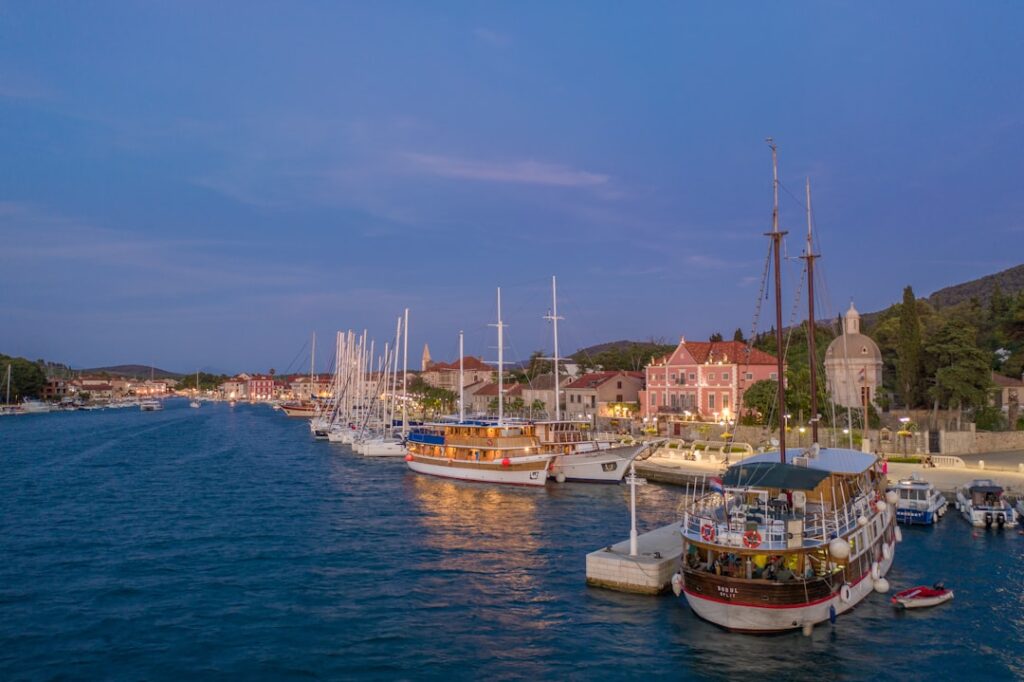
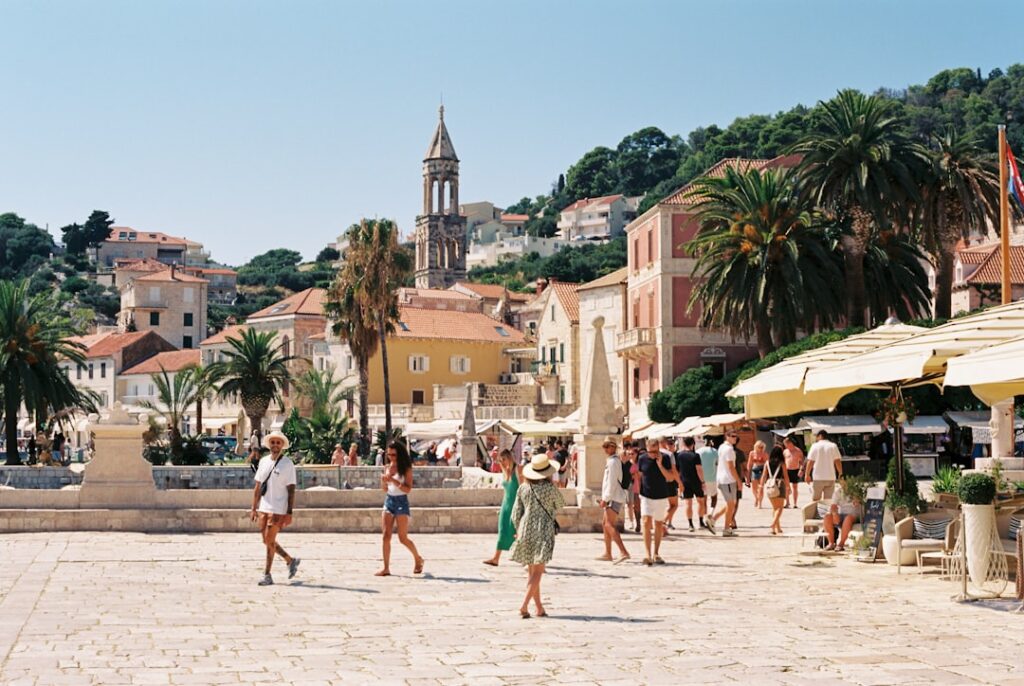
Hvar Town (Grad Hvar) remains the entry point and historic heart of the island. Out of season, the large central square Trg Svetog Stjepana (St. Stephen’s Square) — official address: Trg Svetog Stjepana, 21450 Hvar, Croatia — regains a calm that’s perfect for architectural spotting. The cathedral Katedrala Sv. Stjepana (St. Stephen’s Cathedral) located at Trg Sv. Stjepana 3, 21450 Hvar, is generally open to the public between 08:00 and 17:00 (winter hours can vary). Entry to the cathedral complex and museum may be ticketed: expect around 20 HRK (≈2.70 €) for access to certain exhibition areas, though this depends on the season.
For a panorama, climb up to the Fortica (Španjola) — access via the pedestrian walkway at the top of Ulica Vladimira Nazora, 21450 Hvar — the fortress is usually open from 09:00 to 16:00 in low season. The entrance fee is about 30 HRK (≈4 €). The path up is paved and sometimes steep; out of season bring a windproof jacket and sturdy shoes — the views over the harbor and the Pakleni Islands are exceptionally clear at this time of year.
The medieval lanes of Hvarska Varoš (Old Town Hvar) invite aimless wandering: artisan shops, local art galleries (Galerija Ivan Rabuzin sometimes open depending on the season, Riva 2, 21450 Hvar) and cosy cafés. Look for local produce stores like olive oil and honey shops (addresses vary; ask the Hvar Tourist Board on Trg Svetog Stjepana for recommendations). Out of season, the morning market near the Riva (Obala Fabrika 4, 21450 Hvar) sells fruits, vegetables and fresh fish brought in by local fishermen; indicative prices: fresh fish from about 60 HRK/kg (≈8 €).
Practical tips: most museums and some monuments reduce hours in January–February; call ahead before making the trip (Hvar Tourist Board phone: +385 21 741 013). For a local experience, have a coffee in a konoba (traditional tavern) and chat with the owner — off-season they often enjoy sharing the house history and family recipes.
Beaches, coves and nature: where to go when the island empties out
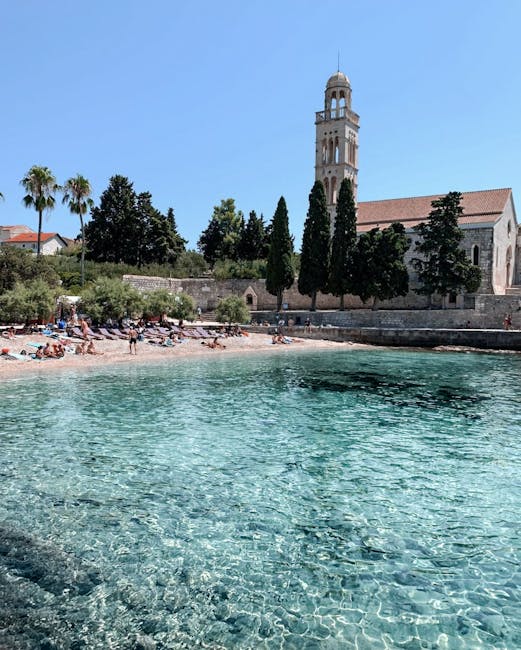
Even off-season, Hvar offers stretches of nearly untouched nature. Some beaches are more geared to summer services but remain accessible and often deserted in the off months — perfect for walks, photography and (for the brave) swimming. Dubovica Beach (Uvala Dubovica, 21450 Hvar) is one of the most beautiful: access via a side road and a 10–15 minute walk. There’s no fixed entrance fee; plan on €0–5 for parking depending on the local operator. Out of season the water is crystal clear but cold — many swimmers prefer a short wetsuit for comfort.
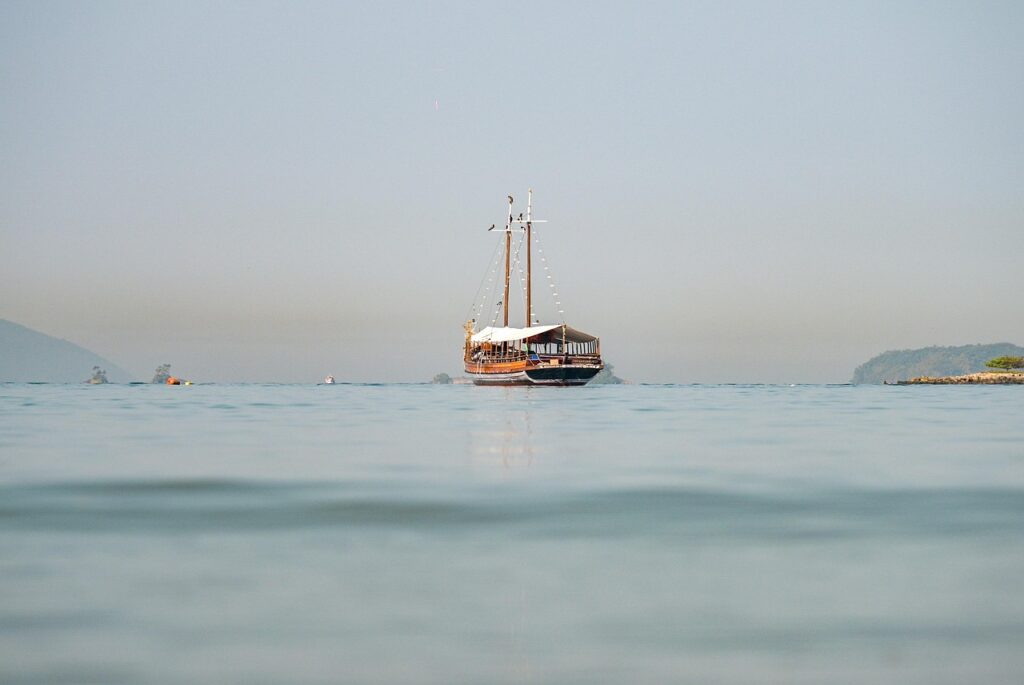
The Pakleni Islands (Pakleni Otoci), with Palmižana Bay on the islet Sveti Klement (Palmižana Bay, Sveti Klement, 21450 Hvar), are reachable by taxi-boat from the Riva (Obala Fabrika 1–4, 21450 Hvar). In low season services are limited and often run on reservation: expect one-way fares from 50–100 HRK (≈7–14 €) depending on distance and operator. Some beaches like Stipanska on Sveti Klement are almost deserted and ideal for a peaceful stop. Cafés and restaurants in Palmižana (e.g., Meneghello Restaurant) may open depending on demand, with dishes starting around 120 HRK (≈16 €).
For hikers, the Hvar Ridge trail (a path along the crest) links inland villages and viewpoints. A popular route runs from Hvar Town to Sveti Nikola and continues up to the Gromin Dol hill (specific coordinates available at the Tourist Board). These trails offer lovely soft light off-season, perfect for photographing olive groves and lavender fields in bloom (spring) or after harvest (autumn).
Local tips: check the condition of secondary roads and consider a compact car in autumn/winter as some stretches are narrow. Parking near beaches may be free out of season but unsupervised — don’t leave valuables in plain sight. Also bring sturdy footwear for rocky coves: many beautiful bays have no infrastructure and require a walk from the road.
Food, wine and markets: tasting Hvar away from the queues
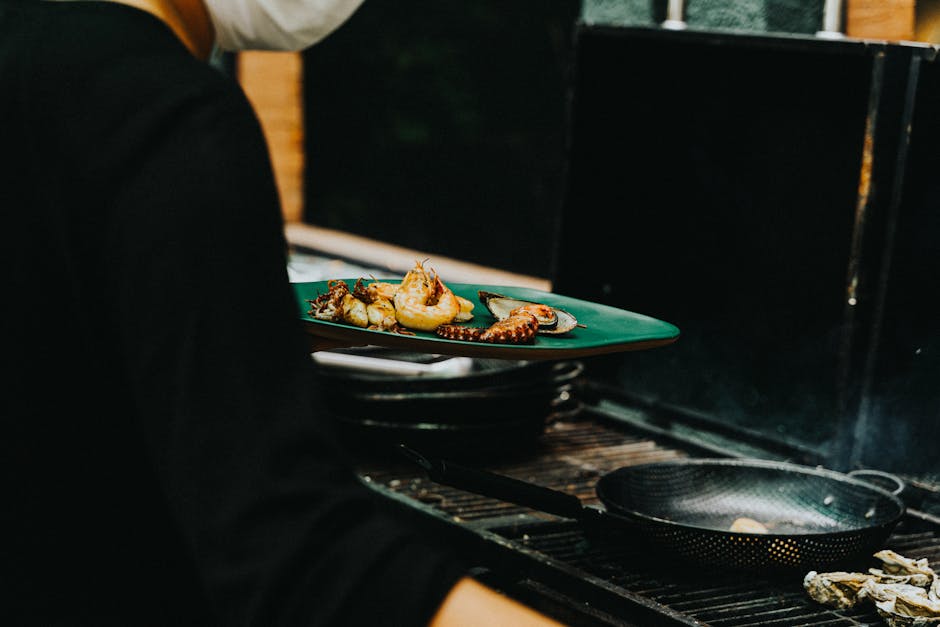
Hvar off-season is the perfect time to dive into Dalmatian cuisine. Konobas (family taverns) and small restaurants serve traditional dishes made from local ingredients: fish, grilled squid, peka (stew cooked under a bell) and cheeses. A few places that often stay open in low season:
- Konoba Menego — Ulica Stari Grad 17, 21450 Hvar. Seafood dishes from 80 HRK (≈10.70 €). Hours: 12:00–22:00 (winter hours vary).
- Restaurant Giaxa — Trg Sv. Stjepana 2, 21450 Hvar. Local specialties and tasting menus: mains 90–180 HRK (≈12–24 €). Hours: 11:00–23:00 (often closed some weeks in low season; reservation recommended).
- Konoba Kula — Obala Fabrika 6, 21450 Hvar. Grilled fish and mezze, dishes 70–150 HRK (≈9–20 €). Hours: 12:00–21:00.
For wine lovers, Hvar has several artisanal producers. While larger wineries may close for winter, you can still find small family cellars offering tastings by appointment. One example: Vinarija Govino (booking by appointment) near Svirče, Svirče 33, 21450 Hvar; tastings typically cost around 50–120 HRK/person (≈7–16 €) depending on the number of wines. Local varieties like plavac mali and bogdanuša are worth trying. Ask the Tourist Board staff or your host to arrange a visit.
Local markets, especially the one on the Riva (Obala Fabrika), sell seasonal fruit, olives and artisanal bread. In low season stalls are smaller but often higher quality, with produce coming directly from nearby farms. Indicative prices: artisan bread 8–15 HRK (≈1–2 €), local olive oil 60–120 HRK (≈8–16 €) for 500 ml.
Foodie tips: book weekend tables if a place is open — locals also like to go out off-season. Ask for the daily specials (dnevni meni): they’re often cheaper (around 50–80 HRK, ≈7–11 €) and made with ultra-fresh ingredients. If buying wine or oil, request samples and storage advice — off-season some producers offer island delivery or shipping within Europe.
Where to stay, getting around and practical tips for a successful off-season trip
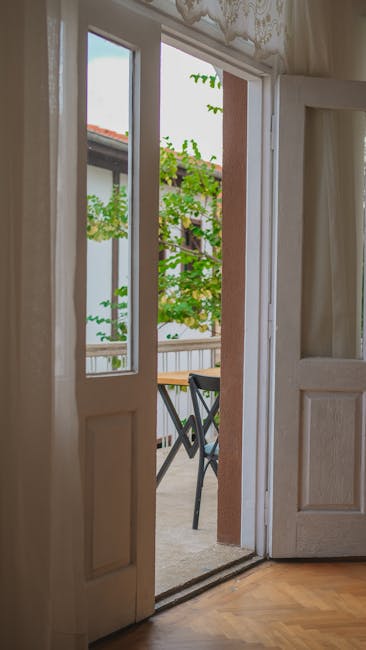
Out of season, accommodation options become more varied and affordable: family guesthouses (sobe), small hotels and B&Bs stay open and often offer reduced rates or packages including breakfast. Examples:
- Hotel Podstine — Podstine 1, 21450 Hvar. Double rooms off-season from 400 HRK/night (≈54 €). Services: heating, continental breakfast 50 HRK (≈7 €). Reception often open 08:00–20:00.
- Guesthouse Ana — Ulica Petra Hektorovića 18, 21450 Hvar. Rooms from 300 HRK/night (≈40 €). Owners on site giving advice and booking excursions.
Transport: ferries (Jadrolinija, Krilo) connect Hvar with Split and the mainland, but frequencies are reduced off-season. The main port is at Obala Fabrika, 21450 Hvar. Check timetables online (Jadrolinija.hr) and allow extra time: a Split–Hvar crossing costs about 70–180 HRK (≈9–24 €) depending on the ferry type. Renting a car on the island is useful to explore the interior and isolated beaches; expect daily rates around €40–60 off-season, sometimes less for long-term bookings.
Weather can be unpredictable. Pack: a windproof waterproof jacket, warm layers, waterproof walking shoes suitable for rocky trails, a basic first-aid kit and a headlamp for nighttime strolls on cobbled streets. The bura (northeasterly wind) can make days chilly and blustery; plan outdoor activities for mornings or early afternoons on very windy days.
Essential local tips:
- Contact places in advance: many open according to demand. A call or message guarantees they’ll be open and helps arrange transport or a dinner.
- Respect shop and administrative hours: most are closed Sunday and shorten hours in January–February.
- Use cash for small purchases and markets: many small konobas prefer cash off-season.
- Ask for personalized recommendations: local hosts often know the best spots for tastings, secret walks and secluded bays.
Final tips for planning
Plan with flexibility: accept that some businesses will be closed, but know that the island’s treasures — both human and natural — remain accessible if you take your time. Bring an offline map, a transport plan and local numbers (tourist board, main ferry companies). Hvar off-season offers a truer, more intimate and often more memorable experience than high season — you just need to go prepared and curious.
Conclusion: Hvar off-season — an invitation to slowness and discovery
Visiting Hvar outside the high season means accepting a different rhythm: fewer forced appointments, more space to watch, listen and connect. Landmarks like Katedrala Sv. Stjepana, the Fortica (Španjola) and the lanes of Hvar Town take on a more human, contemplative feel when the crowds fade. The beaches and nearby islands keep their wild beauty, ideal for hiking, photography and, for the braver swimmers, plunges into crystal-clear but chilly water.
Practically speaking, off-season lets you save on lodging and transport, access attractions without queues and build more authentic connections with artisans, restaurateurs and hosts. Daily specials, morning markets and family wineries become chances to learn the island’s culinary culture rather than just consume a tourist experience.
Finally, remember that Hvar off-season requires some preparation: check reduced ferry timetables (port: Obala Fabrika, 21450 Hvar), contact restaurants and services ahead, pack clothing for wind and rain, and plan hikes with appropriate footwear. The reward is big: sunsets on the Riva, solitary walks along pebble beaches like Dubovica, wine tastings with passionate winemakers and, above all, a more authentic Hvar that reveals its secrets at its own pace.
Pack your bags, call the little konoba you spotted, book a room with a local and head to a different kind of Hvar — where slowness becomes luxury and discovery is real. Safe travels and let yourself be surprised by Hvar’s quiet magic off-season.