


Introduction: Hvar — an island of festivals and living traditions
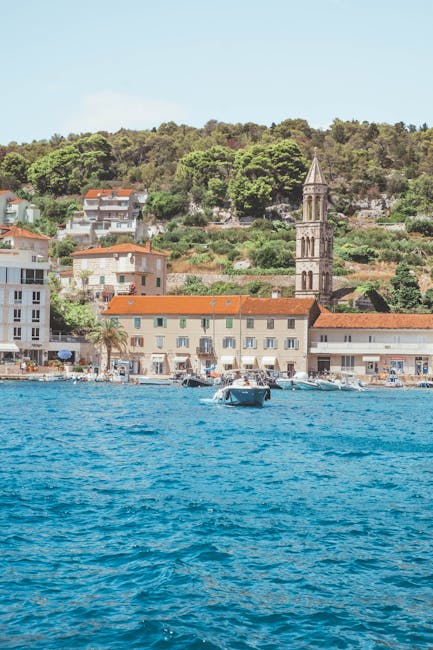
The island of Hvar, off Croatia’s central Dalmatian coast, is more than a charming seaside escape: it’s a cultural archipelago where religious feasts, rural customs and contemporary celebrations weave together to form a living calendar year-round. From Hvar Town (Grad Hvar) to smaller, intimate villages like Stari Grad, Vrboska, Jelsa and Sućuraj, every corner of the island pulses with events that tell its story — its faith, harvests and Mediterranean way of life. Locals, proud of their heritage, keep age-old rites alive — nocturnal processions, classical music festivals, patron saint festas, lavender markets — drawing curious travelers and intangible heritage specialists alike.
In this comprehensive guide, we’ll run through Hvar’s major island festivals and traditions with precise locations, addresses, typical schedules, entrance fees for monuments and practical tips to experience these events like a local. You’ll learn not only when and where the celebrations happen, but also how they’ve evolved over the centuries: Venetian influences in architecture and music, Ottoman traces in customs, and a contemporary revival driven by international festivals. We cover nocturnal processions like « Za Križen » — listed as UNESCO Intangible Cultural Heritage — summer festivals (Hvar Summer Festival / Hvarsko Ljeto), the island’s patron saint celebrations, rural festivities centered on lavender and vineyards, and the authentic village events that preserve unspoiled traditions.
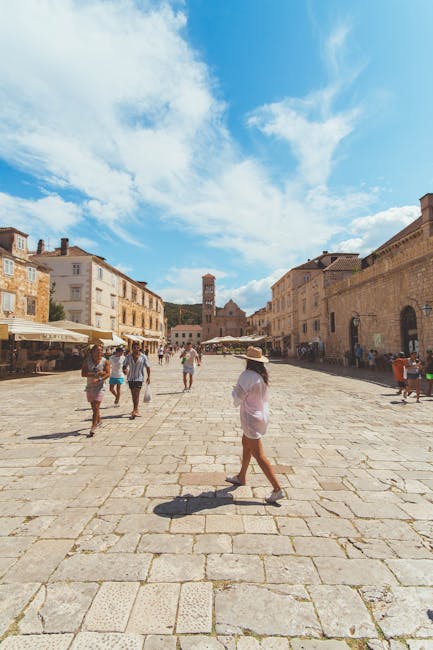
The guide also includes essential practical information: exact addresses for major sites (squares, churches, fortresses, museums), indicative prices in euros for visits, seasonal opening hours (which may vary by tourist season), and tips to optimize your experience — arrive early for processions, dress respectfully for religious ceremonies, and recommendations for local restaurants and places to stay that deepen immersion. Through immersive descriptions, you can picture sun-warmed stone in St. Stephen’s Square (Trg sv. Stjepana), the shadowy alleys where brotherhoods pass during a procession, or fragrant lavender fields at harvest time.
This historical and practical overview is aimed at everyone: curious travelers, intangible heritage enthusiasts, photographers, music lovers and anyone seeking Mediterranean authenticity. It’s a travel companion detailed enough to plan a festival-focused stay while remaining accessible to those who simply want a deeper cultural understanding of the island. Expect to encounter centuries-old rites, smell Dalmatian seafood stews, hear choirs under ancient vaults and walk on cobbles that have witnessed generations of celebrations.
Hvar Town (Grad Hvar): the historic heart of religious festivals and the arts
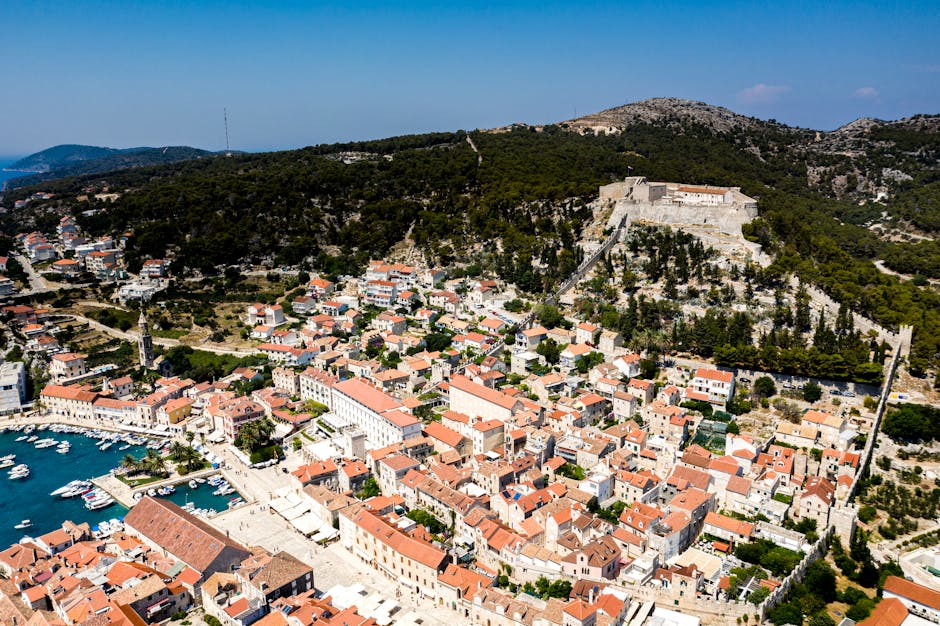
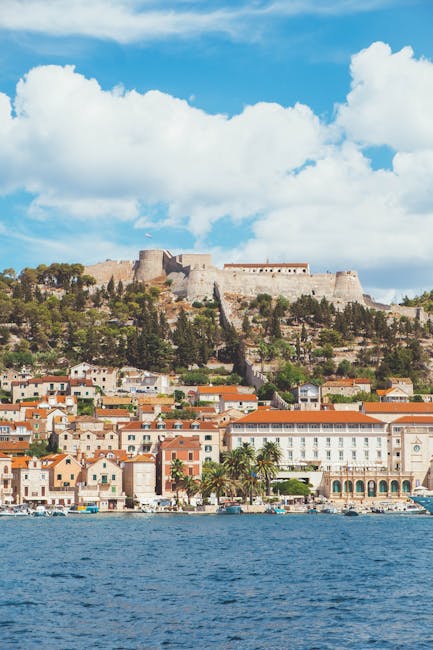
Hvar Town, often simply called Hvar, is the island’s nerve center for traditions. The main square, Trg sv. Stjepana (St. Stephen’s Square), is the focal point for religious celebrations and cultural events. Address: Trg sv. Stjepana 1, 21450 Hvar. At major festivals the square transforms with stalls, floral decorations and processions that climb up to the Fortica (Španjola) for blessings and panoramic views.
One of the island’s most significant traditions is « Za Križen » (For the Cross), the emblematic nighttime procession held every Maundy Thursday since the 17th century in several parishes across the island (Hvar Town, Jelsa, Pitve, Vrboska). Processions usually start in front of churches such as the Church of the Immaculate Virgin or the Cathedral of St. Stephen. In Hvar, the Cathedral of St. Stephen (Katedrala sv. Stjepana) is at Trg sv. Stjepana 1, 21450 Hvar; visiting hours: 09:00–12:00 and 16:00–19:00 (seasonal hours, extended in summer). Entrance: voluntary donation €2–5 (indicative).
The Fortica (Španjola) overlooks the town and plays a leading role in commemorations and open-air concerts. Access: Fortica fortress, path from Ulica Štorići / Poljica, 21450 Hvar (about a 20–30 minute walk from the harbor). Summer hours: 09:00–20:00; entrance fee: around €5 for adults, with reduced rates for students and seniors. The fortress often hosts baroque music concerts during the Hvar Summer Festival, offering a spectacular stage setting over the bay.
The public theatre — Hvar Theatre (Hvarsko kazalište) — is considered one of Europe’s oldest municipal theatres. Address: Trg sv. Stjepana 4, 21450 Hvar. The Hvar Summer Festival (Hvarsko ljeto), running annually from June to September, features operas, recitals, plays and exhibitions. Tickets: €10–50 depending on the program; tickets available in person and online (check the official site or the local tourist office, Ulica Pjaca 1, 21450 Hvar — Hvar Tourist Office, open 08:00–20:00 in high season).
Practical tips: to attend religious events, arrive at least 45–60 minutes early to secure a spot if the event takes place on the main square. For Fortica concerts, wear closed shoes for the hill climb and bring a jacket for breezy evenings. Observe moments of reflection during processions: keep quiet, dress modestly for religious services, and avoid intrusive photography during solemn moments.
Easter processions and the UNESCO-listed « Za Križen » tradition
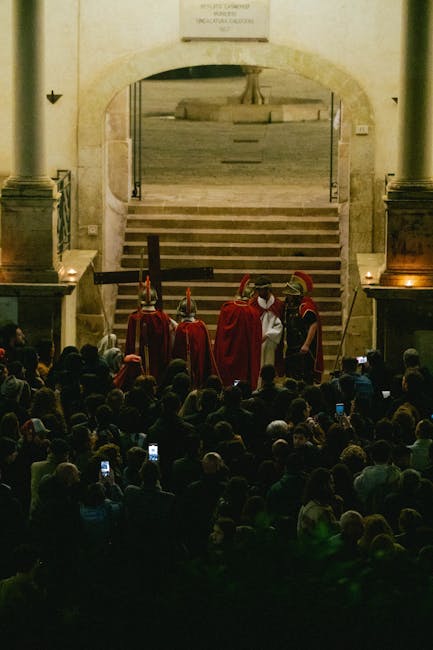
Easter on Hvar centers on nocturnal rites and processions tracing back to medieval Christian practices. The most famous ritual is « Za Križen » (For the Cross), a unique overnight procession inscribed on UNESCO’s Representative List of the Intangible Cultural Heritage of Humanity. It takes place on Maundy Thursday and happens simultaneously in several island communities: Hvar Town (Grad Hvar), Jelsa, Pitve, Vrboska and sometimes Velo Grablje.
How it unfolds: each procession sets off from a parish church — for instance, the Church of Our Lady (Gospe od Prizidnice) or St. Stephen’s Church in Hvar — and winds through alleys and hills all night until the following morning, accompanied by liturgical chants and prayers. Cross-bearers, chosen from local brotherhoods, walk slowly, sometimes lit only by candles, creating a powerful, emotional atmosphere. Spectators are invited to follow, listen and pray, but also to respect participants’ privacy.
Typical schedule: gathering around 20:00–21:00 on Maundy Thursday; departure between 21:00 and 22:00; return in the early morning (around 05:00–06:00). There is usually no ticket, but check with the local Tourist Office (Hvar Tourist Office: Ulica Pjaca 1, 21450 Hvar; phone: +385 (0)21 741 234 — high season hours 08:00–20:00). Tip: if you want to photograph, ask discreetly for permission and avoid using flash during the procession so you don’t disturb the ceremony.
Historical context: these processions grew out of communal expressions of faith and identity. The chants — often polyphonic and orally transmitted — form the heart of the ceremony. Musicologists link these singing traditions to both Byzantine and Western liturgical practices, reflecting Dalmatia’s layered history between Latin and Eastern influences.
Participation tips: dress modestly and bring a small adjustable headlamp to move around outside lit areas; travel on foot where possible since narrow lanes are often closed to traffic; carry water and wear comfortable shoes for the long duration. If you’re emotionally sensitive, be prepared: the nighttime silence punctuated by chanting can be an intense and sometimes overwhelming experience.
Rural festivals: lavender, vines and inland agricultural traditions
Beyond Hvar Town’s urban ceremonies, the island’s rural soul is expressed through festivities tied to the land: lavender harvests, grape harvests and autumn fairs. Inland villages — Velo Grablje, Malo Grablje, Pitve and Brusje — maintain agropastoral practices that still shape community life.
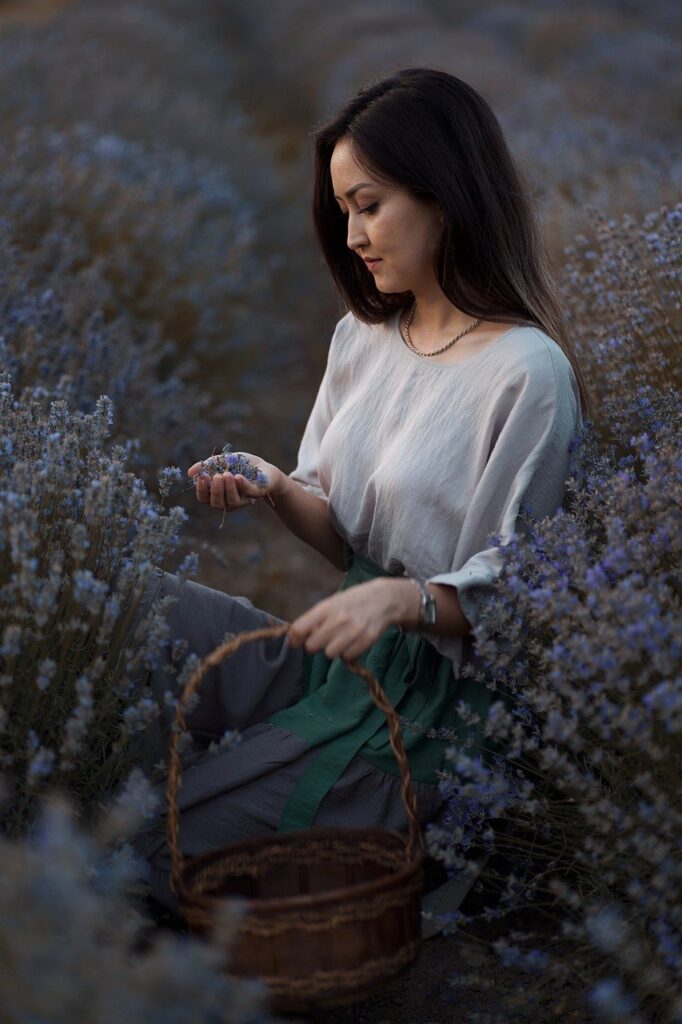
Lavender has become a symbol of Hvar. Velo Grablje and Brusje are the island’s key lavender villages, known for wild lavender (Lavandula angustifolia). Useful address: Velo Grablje, 21450 Hvar (access via D116 from Hvar Town). Each year, late June to early July, several family farms open their doors for local Lavender Festivals. Activities include distillation demos, essential oil workshops and markets selling lavender products (sachets, soaps, oils). Workshop prices: €10–25 depending on length; field visits are free, distillation sessions charged based on service (€10–20).
Grape harvests in the Stari Grad Plain (a UNESCO World Heritage cultural landscape) are another major viticultural tradition. The precise site is Stari Grad Plain, Ulica Svetog Roka 5, 21460 Stari Grad — a historic agricultural landscape with vineyards cultivated since antiquity. Harvest festivities take place in September–October: tastings, communal meals and sometimes wine-focused events organized by local cellars (tastings €5–15 per person; guided tours €15–30 depending on the winery). Winemakers like Vina Bogdan (example address: Vinala 12, 21460 Stari Grad — note names and addresses may vary) offer visits by reservation.
Another rural event is the « Bread Festival » and agricultural markets in villages such as Jelsa (Trg Sv. Ivana, 21465 Jelsa) and Vrboska (Ulica Srednja 3, 21480 Vrboska). These small local markets showcase artisan cheeses, honey, olive oil and fish products. Typical hours: Saturday mornings, 08:00–13:00. Indicative prices: traditional breads and specialties €2–8; local olive oil €8–20 per bottle depending on quality.
Practical tips: for photographing lavender fields, aim for golden hour (sunrise or sunset) and respect private property — always ask before walking through fields. If you join grape harvests, wear suitable clothing and bring boots if the ground is wet; most wineries require advance bookings for tastings. Rent a car or use local taxis to reach remote villages: the road between Hvar Town and Velo Grablje is winding but scenic, and it’s essential to check return transport timetables if relying on buses.
Contemporary festivals: Hvar Summer Festival, music and theatre
Hvar’s contemporary cultural scene is lively, centered on a busy summer calendar. The Hvar Summer Festival (Hvarsko ljeto) is the flagship event: concerts, operas, recitals and performances take place from June to September, often in historic venues — the Fortica, St. Stephen’s Square (Trg sv. Stjepana), the Arsenal and the Loggia (Arsenal, Ulica Sv. Ivana 2, 21450 Hvar). Productions mix classical repertoire with contemporary commissions, drawing international artists and local audiences alike.
Example venues and addresses:
- Arsenal Hvar (Arsenal, Ulica Svetog Ivana 2, 21450 Hvar) — exhibition and concert space. Visiting hours: 10:00–13:00 and 17:00–19:00 in season. Exhibition entry: €3–8.
- Hvar Theatre (Hvarsko kazalište) (Trg sv. Stjepana 4, 21450 Hvar) — the municipal theatre hosting festival events. Tickets typically €10–40 depending on the show and seating.
- Fortica (Španjola) Fortress — open-air concert venue, see the Fortica section above for address and admission details.
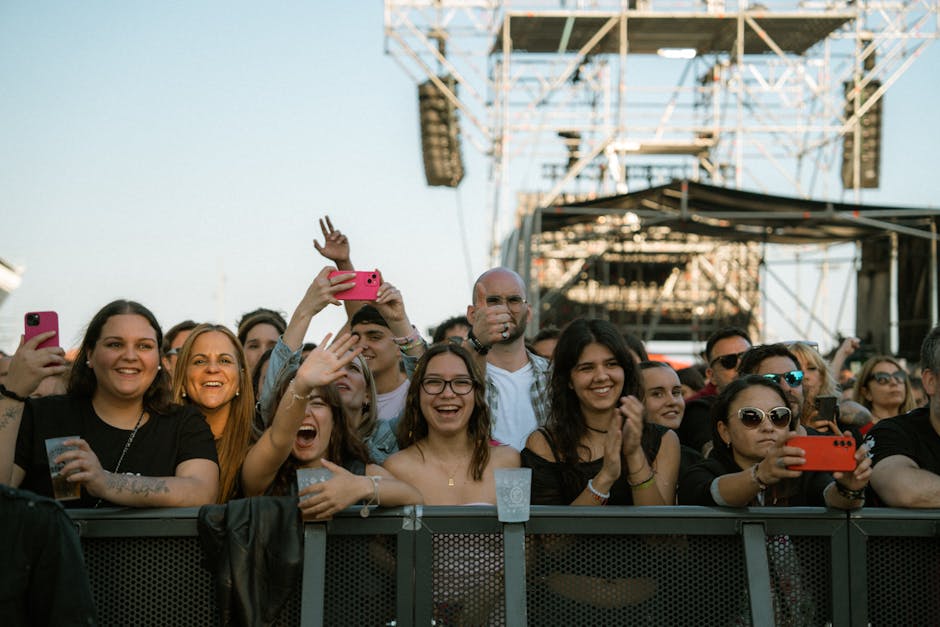
The festival also gives space to street arts and educational workshops. Many evening performances require paid tickets (available online and at festival box offices), while some outdoor concerts are free but extremely popular. For paid shows, buy tickets on the festival’s official website and at local points of sale (Hvar Tourist Office, Ulica Pjaca 1); book at least one to two weeks in advance during high season.
Another musical highlight is Hvar Music Days, a series of classical music events and musician residencies held in intimate venues like St. Michael’s Church (Sv. Mihovil), Ulica Sv. Mihovila 3, 21450 Hvar — known for its excellent chamber music acoustics. Concert prices: €8–35 depending on artist and venue.
Practical tips: check the Hvar Summer Festival program in spring to plan your trip; bring printed or digital tickets; for outdoor concerts, bring a jacket and a small blanket if you’ll sit on stone steps. Restaurants near performance venues often offer pre-show menus — book a table after the concert, especially in July and August.
Patron feasts and local carnivals: colorful, communal and fun
Each Hvar village celebrates its patron saint with great devotion: St. Stephen in Hvar Town, St. Roch (Sveti Rok) in Jelsa, Our Lady in Vrboska, and so on. Patron feast days combine solemn mass, processions, street parties, traditional music and communal meals. They occur throughout the year but peak in summer when families return to the island.
Concrete examples:
- Feast of St. Stephen — Hvar Town, Trg sv. Stjepana 1, celebrated traditionally on December 26 and sometimes with additional events during the summer. Mass at the Cathedral of St. Stephen; evening processions and concerts. Church services are free (donations welcome).
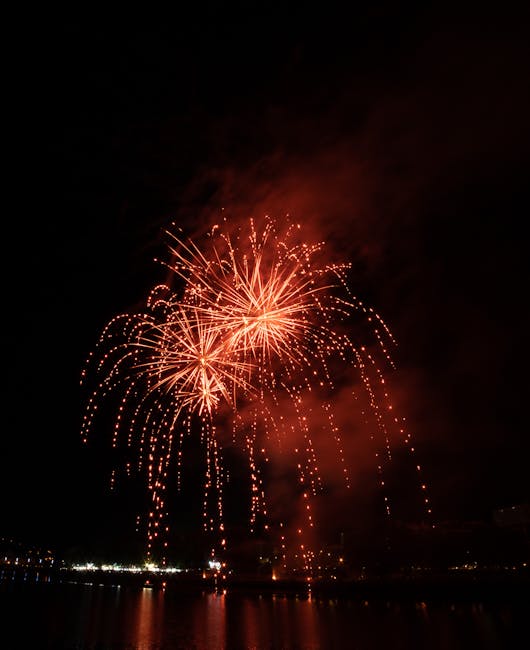
- Feast of St. Roch (Sveti Rok) — Jelsa, Trg Sv. Ivana 1, 21465 Jelsa, celebrated in August with markets, music and fireworks. Venues include Jelsa’s parish church, the main square and the waterfront. Fireworks and concerts are free; food stalls typically charge €3–12 per dish.
- Carnival and summer folklore in Vrboska — Vrboska, Ulica Srednja 3, 21480 Vrboska, where local carnivals with masks and folkloric dance groups take place, often in February or during summer cultural weeks. Spectators attend free of charge.
Patron feast days are great chances to see traditional costumes (folk dress), hear klapa (Dalmatian a cappella groups) and share local meals. To watch folk dances and klapa ensembles, head to the waterfront or main square after mass; klapa concerts often take place in the evening and are either free or ask for a small donation (€2–10).
Local advice: be respectful of religious practices and avoid blocking processions for photos; if you join a communal meal, bring a small gift like local wine or a pastry. Fireworks and waterfront concerts draw large crowds — arrive early, especially with family, and note emergency exits if an event happens on a pier or quay.
Practical tips for planning your festival-focused stay in Hvar
Taking part in Hvar’s festivals and traditions requires some logistical and cultural preparation. Here are detailed recommendations to help you make the most of your visit:
- Book accommodation early: in high season (June–September) hotels and apartments fill up fast. Hvar Town (Ulica Pjaca / Stari Grad) and coastal villages like Jelsa and Stari Grad offer a range of options. Indicative rates: double rooms €80–250/night depending on category and period. Consider guesthouses (rooms & apartments) for a more local experience.
- Transport: the main ferry companies (Jadrolinija, Krilo / Kapetan Luka) connect Split (Riva 1, Split port) to Stari Grad or Hvar Town. Approximate fares: €10–30 for a fast boat (catamaran) Split–Hvar Town; taking a car on the ferry costs about €50–80 depending on size and season. Schedules vary by season — check jadrolinija.hr and krilo.hr.
- Getting around the island: renting a car or scooter is handy for reaching inland villages and lavender fields; scooter rental €20–45/day, car €40–90/day. Local bus services (Autotrans d.o.o., D116 line) link Hvar Town, Stari Grad, Jelsa, Vrboska and Sućuraj — fares €1–10 depending on distance.
- Respect traditions: for religious ceremonies, dress modestly (shoulders and knees covered) and behave respectfully. Ask permission before photographing brotherhoods or people in traditional costume.
- Safety and health: bring sunscreen, water and sturdy shoes — processions can last many hours. Local clinics: Health Centre Hvar (Dom zdravlja Hvar), Ul. Kpal 6, 21450 Hvar — open weekdays, emergency coverage subject to availability.
Timing tip: if you want to combine religious rites (Za Križen) with summer festivals, plan a trip around Easter (for Za Križen) or July–August (for Hvar Summer Festival and the lavender season in late June–early July). For a quieter, more intimate experience, choose May–June or September, when local events are plentiful and the weather is milder.
Conclusion: Hvar — an island where traditions live and are shared
Hvar reveals itself as a destination where intangible heritage and daily practices weave a living story: nocturnal processions steeped in spirituality, colorful and communal patron feasts, music festivals that bridge old and new, and agricultural rituals that celebrate the land and sea. This historical panorama of island festivals and traditions shows how Hvar is a place of memory and cultural energy — a small world where seasons and beliefs mark the collective calendar. Every spot mentioned in this guide — from the Cathedral of St. Stephen (Trg sv. Stjepana 1, 21450 Hvar) to Fortica (Španjola), through Velo Grablje and the Stari Grad Plain (Ulica Svetog Roka 5, 21460 Stari Grad) — offers a window onto local life.
For the attentive traveler, Hvar is an invitation to slow down, listen and share. Prices and opening hours listed here (Fortica admission ≈ €5, concerts €8–50, tastings €5–30) are indicative and subject to seasonal change: always double-check information with local tourist offices (Hvar Tourist Office, Ulica Pjaca 1, 21450 Hvar; hours 08:00–20:00 in high season) and event organizers. Practical advice — arrive early, respect rites, book shows in advance and plan transport — will help you get the most from your stay.
Finally, remember that taking part in these festivities is more than a tourist activity: it’s a human encounter. By respecting traditions, talking with locals and allowing yourself to be surprised by the solemnity of a procession or the warmth of a communal meal, you’ll return with a deeper understanding of what it means to be from Hvar. Whether you come for lavender, music, faith or simply the scenery, Hvar will always offer a glimpse of living practices passed down through generations and ready to welcome you.