


Introduction — Hvar Uncovered: Between a Historic Harbor and Untamed Beaches
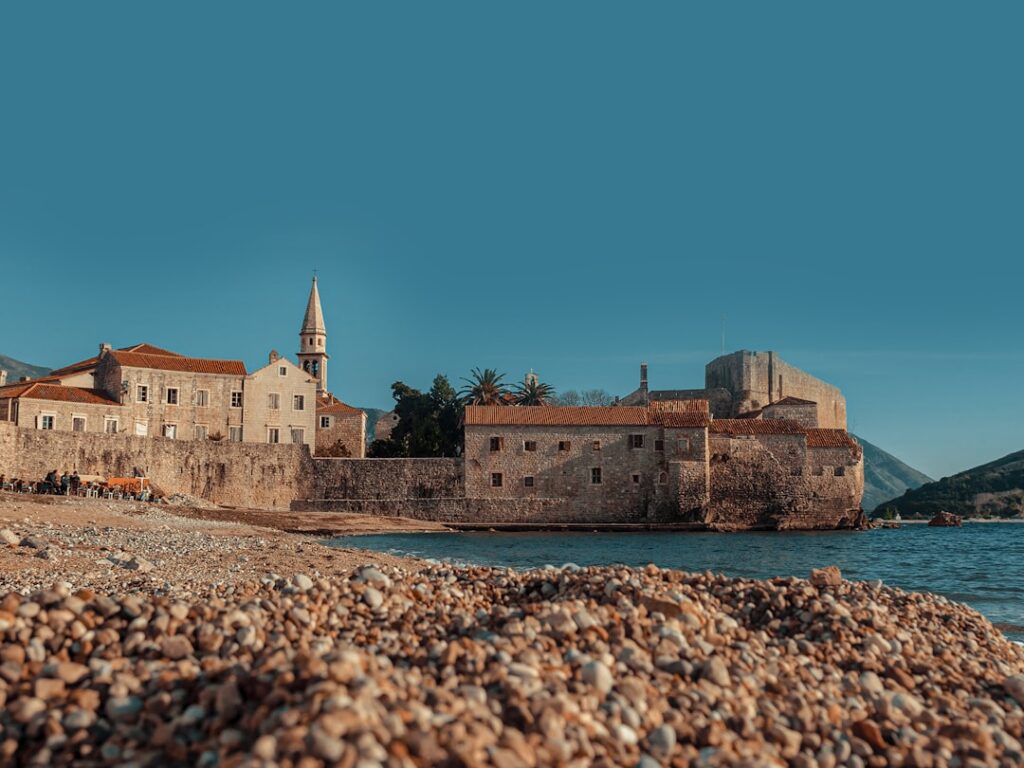
Hvar, a gem of the Adriatic tucked into the Dalmatian archipelago of Croatia, has grown into a sought-after destination that blends heritage, nightlife and pristine coastline. The island boasts a history-steeped center — Hvar Town with its Riva, Venetian palaces and fortress — yet it’s also the gateway to secluded coves, satellite islets and wild beaches that feel frozen in time. This article is a practical deep-dive to weigh up the perks of Hvar’s historic harbor against those of the surrounding wild beaches, so you can decide which side of the island best suits your travel style.
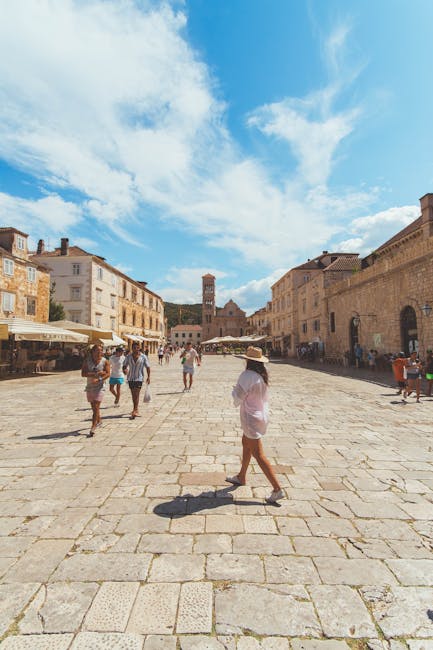
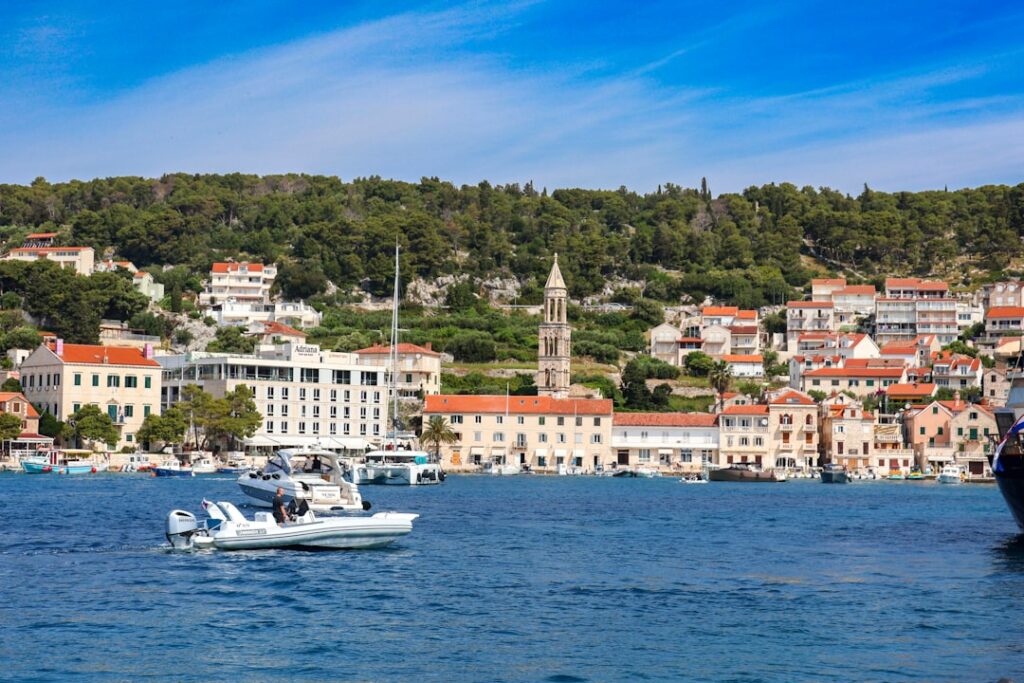
Hvar’s historic harbor (the Riva) is a lively little world of cafés, restaurants, specialty shops, ferries and evening promenades. It’s where history meets high-end tourism — and where services are instantly accessible. Just a short boat ride away, the sea opens onto wilder features: undeveloped beaches, crystalline coves and the famous Pakleni Islands, a string of islets with sandy patches and rocky shores lapped by emerald waters. Both experiences complement each other but feel very different. This professional, practical guide will help you pick based on what matters most to you: comfort, culture, food and conveniences (for the harbor) or solitude, untouched nature and clear-water swims (for the wild beaches).
We’ll cover concrete spots with exact addresses, typical opening hours, prices in euros where relevant, immersive descriptions and local tips (transport, restaurants, excursions). Whether you want a stay centered on evenings along the Riva, exploring Tvrdava Fortica (the Spanish Fortress) and museums, or prefer a kayak retreat to virgin coves and hidden bays, this guide gives you the facts to make an informed choice. The sections below outline the strengths of the historic port, the charms of the wild beaches, recommended activities and services, plus a practical comparison to tailor your trip.
The Historic Harbor of Hvar: Comfort, Culture and Social Life
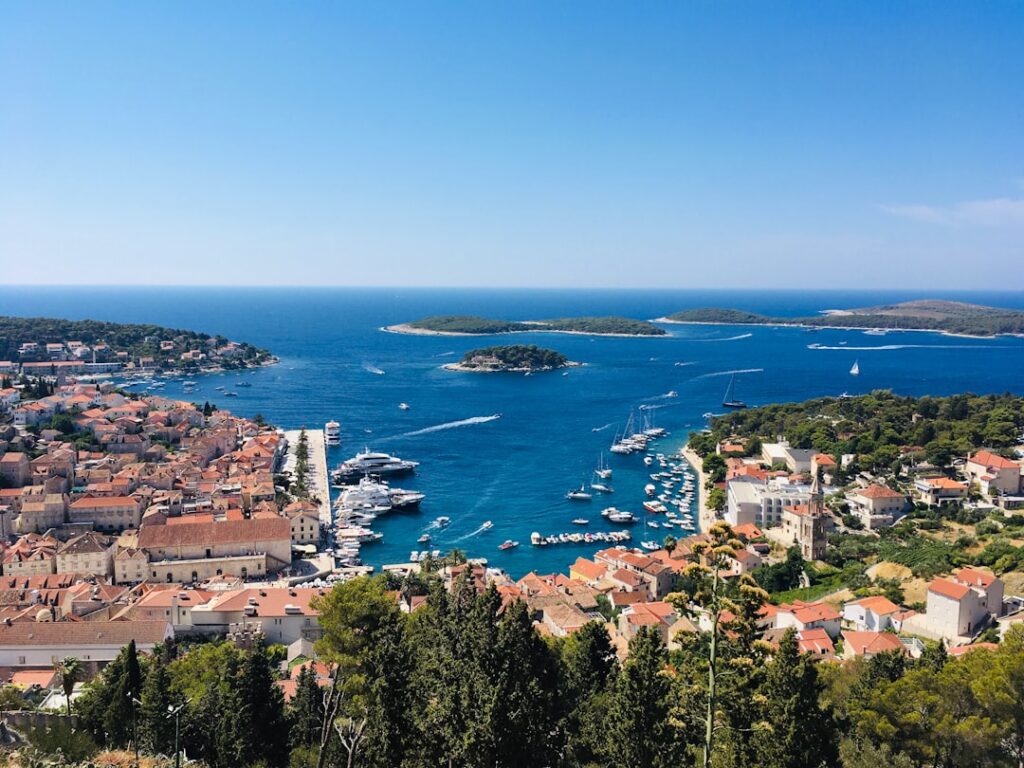
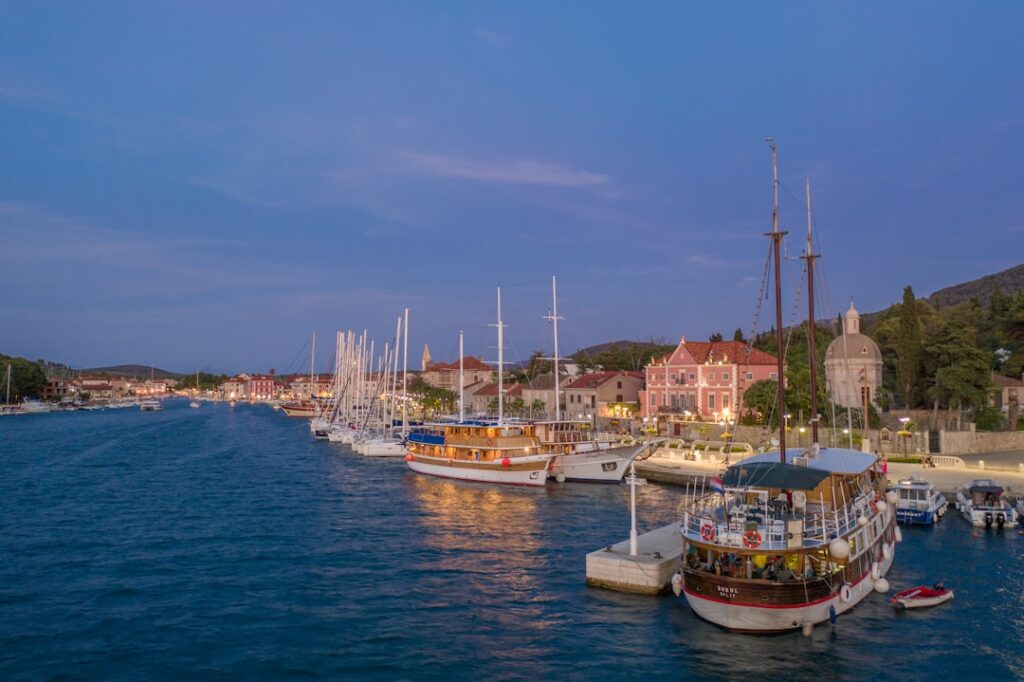
The historic harbor of Hvar, anchored around the Riva (the seafront promenade) and the main square — the Piazza (Trg sv. Stjepana) — is the island’s pulsing heart. Key address: Riva, 21450 Hvar, Croatia. The Riva stretches along the waterfront with cafés and restaurants lining the promenade, terraces and a steady parade of yachts and ferries. The harbor’s advantages are many: accessibility, tangible history, modern amenities (banks, exchange offices, rental agencies, tourist information) and easy access to maritime transport for exploring the wider area.
On the cultural side, Hvar Town is full of attractions. Tvrdava Fortica (the Fortica or Spanish Fortress) delivers 360° views over the town and the Pakleni Islands. Address: Fortica (Španjola), 21450 Hvar, Croatia. Hours (high season): generally 08:00–20:00 (April–October, subject to seasonal variation). Entrance fee: roughly €8.00 for adults (2026 indicative price). Nearby, the Cathedral of Hvar, Katedrala sv. Stjepana, sits on the Piazza (Trg sv. Stjepana, 21450 Hvar) and is usually open to visitors from about 09:00–18:00; entry to the cathedral itself is often free, but access to the City Museum (Hvarski muzej), which houses an impressive collection, typically costs around €4.00.
Nightlife and dining are lively here: for an upscale dinner, Passarola (Ulica Matthia 2, 21450 Hvar) serves contemporary Mediterranean cuisine — mains €18–35, starters €6–12. For a more local trattoria feel, Zlatna Školjka (Ulica Tvrdalj 8, 21450 Hvar) offers fresh seafood — mains €12–25. Restaurant hours vary but most open for lunch 12:00–15:00 and for dinner 19:00–23:00; in high season the Riva buzzes well past midnight.
On practicalities: Hvar ferry terminal (Hvarska Luka) sits at the north end of the Riva (Riva 1, 21450 Hvar). Jadrolinija ferries link Split–Hvar in about 1h 45min to 2h depending on the route; one-way fares roughly €18–25 (fast ferry or catamaran) and timetables vary seasonally (more frequent in summer). Water taxis to the Pakleni Islands depart from the docks near the main harbor: indicative fares €7–15 per trip depending on destination (Palmižana, Stipanska, etc.). Banking services and ATMs are concentrated around Ulica Put Križevac and the Piazza.
Logistical highlights: hotels and accommodation are often within easy walking distance of the Riva. A central example is Hotel Amfora Hvar Grand Beach Resort (Ulica Križine 8, 21450 Hvar) with rates around €120–350 per night depending on season, a pool and direct access to the town beach. If you value comfort and services, the historic harbor shines for its practicality: restaurant bookings, guided excursions, scooter and car rentals are all easy to arrange (Agencija Hvar Rent, Put Križa 14, 21450 Hvar — scooter rentals from about €20/day).
Wild Beaches and the Pakleni Islands: Untouched Nature and Secret Swims
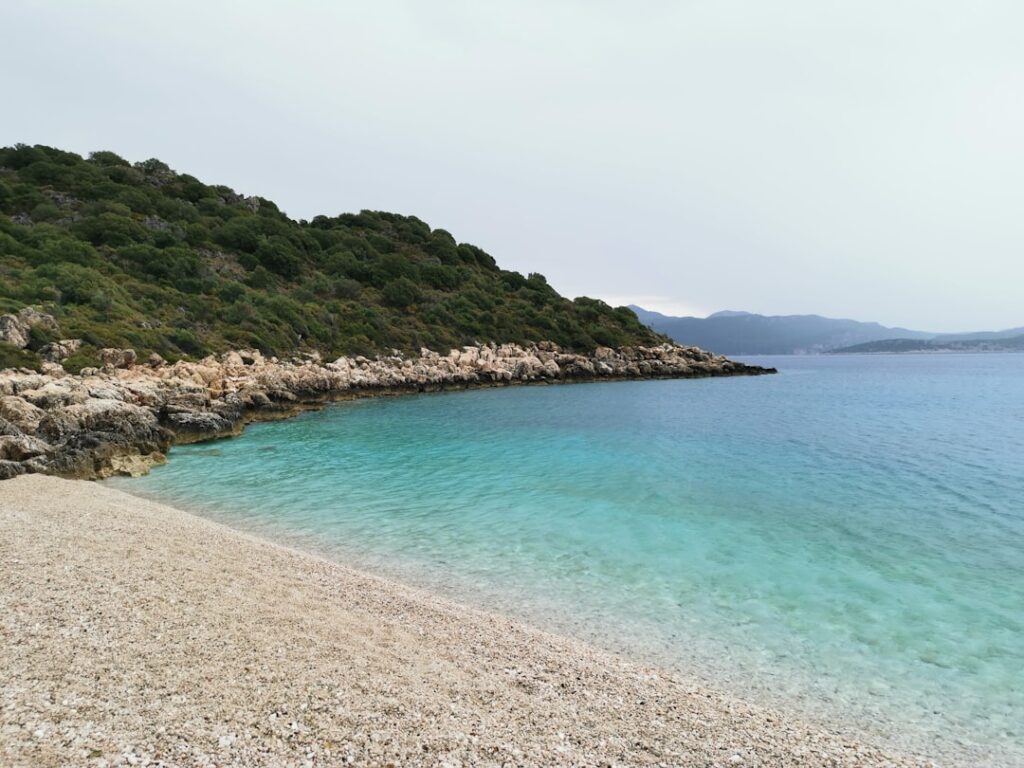
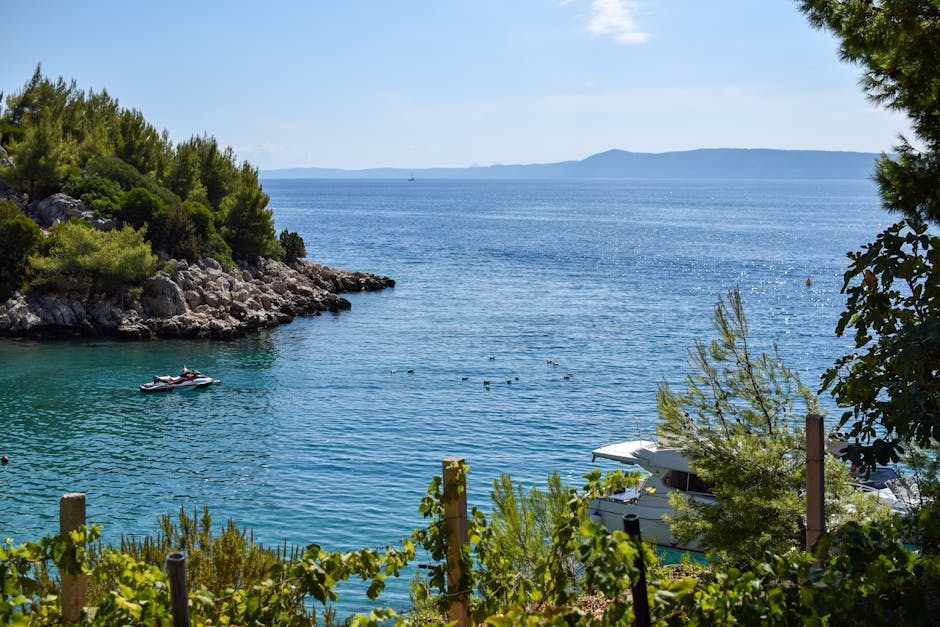
If Hvar’s harbor concentrates human activity, the wild beaches around the island and the Pakleni Islands (Pakleni Otoci) embody maritime freedom. Commonly mistranslated as « Hell’s Islands, » Pakleni really suggests « Bright/Fiery Islands » — a cluster of sheltered islets off the Riva. The main boarding point for these islands is the Riva (Hvarska Luka, Riva 1, 21450 Hvar) where regular services and water taxis run throughout the day. Palmižana (Sveti Klement) is the most visited island, with protected coves, pines skirting the shore and beach bars; quieter islets like Jerolim or Stipanska offer a more tranquil vibe and, in places, naturist stretches.
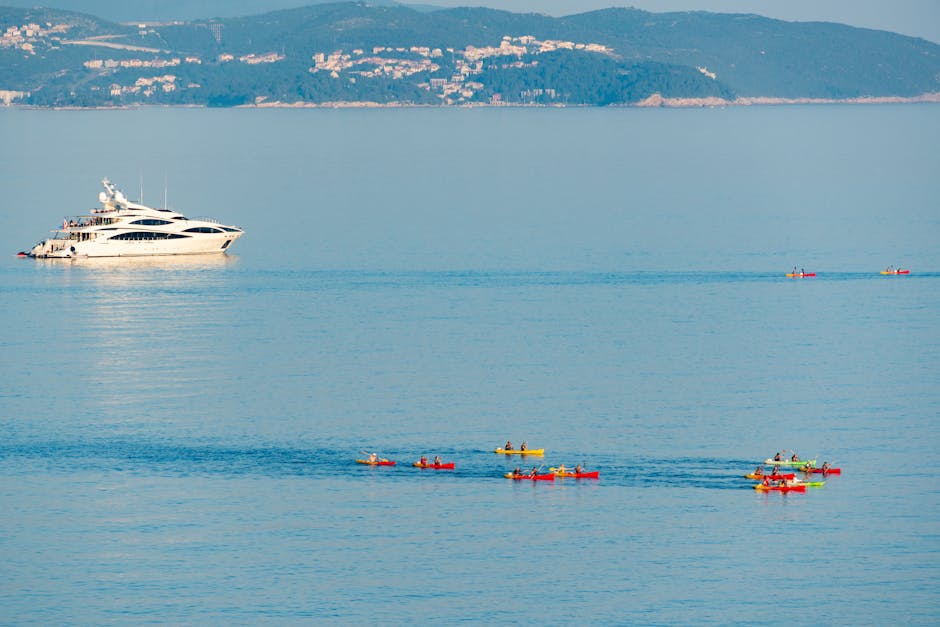
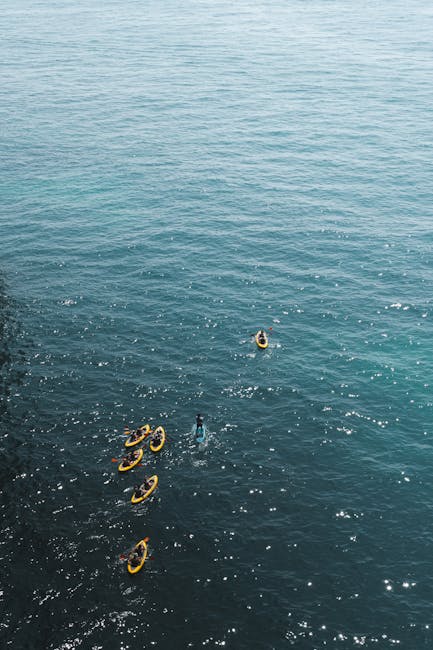
Getting there: water taxis to Palmižana cost between €7 and €15 per person depending on season and destination; day boat rentals without a license typically start around €80–120/day for a small motorboat (rental agencies: Hvar Land & Sea, Riva 4, 21450 Hvar). Kayak and paddleboard hire from the Riva runs about €15–30/hour or €40–60/half-day. These options let you reach bays that are invisible from the main coastline.
Notable wild beaches on Hvar mainland:
– Stiniva (technically on Vis but reachable by boat from Hvar Town): a tucked pebble cove with crystalline water, hard to access by road so the best way is by boat; no facilities, bring supplies and water.
– Milna Beach (Sveta Nedjelja, Milna 20, 21465 Sveta Nedjelja): a small rocky and coarse-sand beach with a few restaurants nearby; parking is limited.
– Dubovica Beach (Dubovica 18, 21450 Hvar): a picturesque pebble bay with a seaside konoba (Konoba Dubovica) on the coast; dishes €12–25.
The Pakleni Islands present a variety of shores: fine sand, pebble coves and rocky spots perfect for snorkeling. Palmižana (Sveti Klement, Palmižana 21450) has small organized beaches with sunbeds (sunbed prices €10–20/day) and a marina lined with cafés and the well-known Laganini Lounge Bar & Fish House (Palmižana Bay, Palmižana 21450) — dishes €15–35, generally open 10:00–22:00. For a truly secluded experience, hire a boat and head for Jerolim, Marinkovac or Pokonji Dol; the lack of facilities here means absolute calm but requires self-sufficiency (water, shade, sun protection).
Practical tips for wild beaches: bring water shoes (rocky shores are common), a mask and snorkel for exploring, plenty of drinking water and sun protection. Respect the environment: no fires, take your trash with you, and avoid disturbing marine flora and fauna. In summer, some coves can be exposed to wind (bura or jugo) — check marine weather on the Hvar Weather app or with tourist offices before you set out. For memorable photos, aim for the golden hours (sunrise/sunset) when the contrast between pines, rocks and clear water is at its most dramatic.
Activities, Excursions and Services: Planning Your Day Between Harbor and Islands
Planning activities in Hvar is about balancing convenience and adventure. From the historic harbor it’s easy to book excursions, water activities and guided tours. Recommended agencies: Hvar Tours & Boat Trips (Riva 3, 21450 Hvar) offers half-day trips to the Pakleni Islands (indicative price €35–55/person, sometimes including a simple lunch) and snorkeling tours. For a private boat trip (skipper included), expect to pay €200–600 for a half-day depending on boat size and passenger count.
Popular activities from the Riva:
– Guided visits to Tvrdava Fortica and the old harbor (walking tours): about €15–25/person for a 1.5-hour guided walk, often available in English and German.
– Scooter or car rental: Hvar Rent (Put Križa 14, 21450 Hvar) offers scooters from €20/day and small cars from about €45/day. Book ahead in high season.
– Scuba diving: dive centers like BlueSub (Riva 6, 21450 Hvar) run introductory dives from €60–90 and certified dives €50–100 depending on the site.
Day trips that blend both worlds: catch an early catamaran from Split (Split Harbour, Obala Hrvatskog narodnog preporoda 1, 21000 Split) to arrive in Hvar Town around 09:00, then hop on a boat to Palmižana for a day of swimming. Timetables depend on Jadrolinija and Krilo (Kapetan Luka / Jadrolinija catamarans); a Split–Hvar fast-cat ticket costs roughly €22–30 one-way. Evening returns are often possible after 18:00–20:00 depending on the season.
Useful services at the harbor: pharmacy (Ljekarna Hvar, Ulica Pjace 4, 21450 Hvar, hours 08:00–20:00 in season), post office (Hvarska Pošta, Ulica Maršala Tita 2, 21450 Hvar), tourist information (Turistička zajednica grada Hvara, Trg Sv. Stjepana 3), and paid parking at the edge of the old town (rates €1–3/hour depending on location). Major hospitals are on the mainland in Split; for serious emergencies a ferry crossing is required.
Organization tips: head out early for the Pakleni Islands to beat the crowds (recommended departures between 08:30–10:00). If you have a specific beach in mind, check whether it’s reachable by boat or by road; some coves are only accessible by private boat. Note that beach restaurants and island establishments often charge slightly higher prices due to logistics (add roughly 10–20% to average prices). Book activities (boats, popular restaurants) in advance during June–August.
Practical Comparison and Local Tips: Which Side of Hvar Should You Choose?
Picking between the historic harbor and the wild beaches comes down to your priorities. Here’s a practical comparison focused on several criteria: accessibility, comfort, cultural immersion, peace and privacy, cost and safety. We also include concrete local tips to make the most of each option.
- Accessibility: The historic harbor wins hands down. Hvar Town is reachable by ferries and catamarans, and all services (banks, tour desks, restaurants) are within easy reach. Wild beaches usually require a boat, kayak or a hike. If you have mobility constraints, favor the harbor.
- Comfort and services: The historic harbor offers varied accommodation (hotels, aparthotels), pharmacies, doctors, supermarkets and dining for all budgets. Wild beaches often mean no shade, no toilets and no supplies (except for some organized spots on Palmižana), so bring water, food, a parasol and water shoes.
- Cultural immersion: Hvar Town provides museums and historic buildings (Palace Garagnin-Fanfogna, Arsenal of Hvar, Ulica Hvarska 15, 21450 Hvar) and cultural events (summer concerts at the cathedral, festivals). Wild beaches immerse you in nature and marine life more than in constructed cultural settings.
- Peace and privacy: The isolated coves of the Pakleni Islands are unbeatable for quiet, snorkeling and sunsets away from the crowds. If you’re after contemplative, off-grid moments, the wild beaches are the right choice.
- Cost: On the Riva expect to pay more for premium services (seafront restaurants, chic bars). Wild beaches can be cheaper if you bring your own food and rent a kayak; private boat hire remains the biggest expense. Example: dinner on the harbor €35–60/person vs a self-sufficient day by kayak €20–60 + provisions.
- Safety: Harbor areas are well served and set up for tourist emergencies; wild coves require vigilance (slippery rocks, depth changes, shifting weather). Always tell someone your plan if you head out by boat or on coastal hikes.
Concrete local tips:
– Book tables and excursions a few days in advance from June to September — Hvar fills up quickly.
– For the best uncrowded photo spots, get up early (sunrise is between 05:00–06:00 in summer); the light from Tvrdava Fortica is spectacular.
– If renting a boat without a license, check insurance, safety gear (life jackets) and the weather; reputable rentals usually require a security deposit.
– Carry cash (euros): small vendors on the islands may not take cards. Use ATMs on the Riva to top up before heading out to sea.
– Respect environmental rules: the marine area around the Pakleni Islands is protected — avoid anchoring on posidonia meadows and use designated moorings where possible.
Conclusion — Finding Your Balance: Harbor, Nature, or Both?
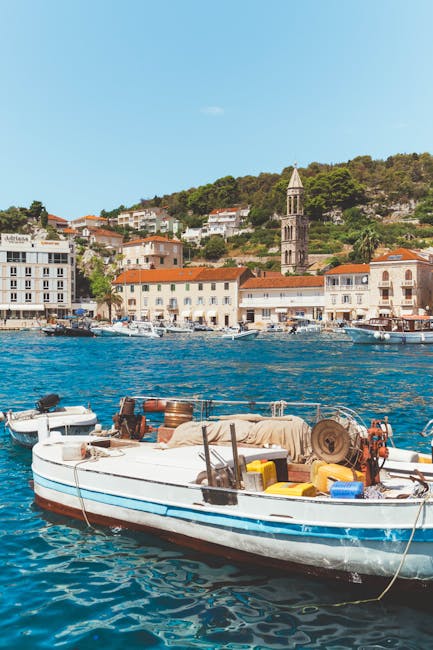
Hvar is an island made for variety: it’s entirely possible — and recommended — to enjoy both sides. The historic harbor gives you convenience, culture, gastronomy and the infrastructure for a hassle-free stay, while the wild beaches and the Pakleni Islands promise escape, untouched nature and unforgettable seaside memories. Your choice will largely reflect your priorities: comfort and an active social scene or tranquility and full immersion in nature.
For a balanced 4–7 day stay, here’s a practical plan: spend 2–3 nights in Hvar Town (Riva, 21450 Hvar) to visit Tvrdava Fortica (entrance about €8.00), museums and to enjoy nightlife and restaurants like Passarola (Ulica Matthia 2, 21450 Hvar) or Konoba Menego (Ulica Sveti Marak 4, 21450 Hvar — dishes €10–25). Then dedicate 1–2 days to the Pakleni Islands: take a morning water taxi (€7–15) or rent a small boat for the day (≈ €80–200 depending on model) and explore Palmižana, Jerolim and other coves. Bring provisions, water and snorkel gear. This mix gives you comfort, cultural discovery and moments of seaside solitude.
Ultimately, Hvar reveals itself as a Mediterranean microcosm: a historic, lively harbor framed by a sea that hides wild beaches and islands waiting to be discovered. Whether you’re a photographer chasing golden light from the Fortica, a foodie savoring local seafood on the Riva, or a seeker of silence and sea spray in a remote cove, Hvar answers every desire. Respect the island and its environment, plan excursions ahead during high season and don’t hesitate to ask locals for tips — their recommendations (a corner café, a lesser-known cove, a friendly skipper) will add authentic layers to your trip. Enjoy your time in Hvar: between ancient stone and crystalline waters, you’ll find a place that suits you.