


Introduction: Hvar’s festivals, where tradition meets celebration
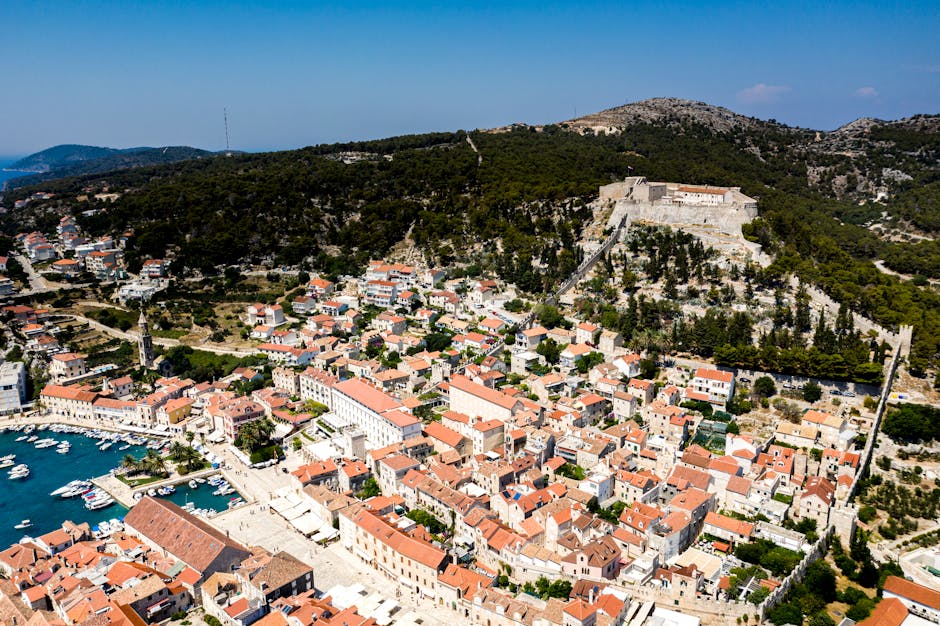
Hvar, a Dalmatian island famed for its sunny coastline, lavender fields and Venetian heritage, hums year-round with local festivals that blend age-old beliefs, street theatre and maritime processions. Facing the Dalmatian Riviera, the main town — Hvar Town (Trg Sv. Stjepana, 21450 Hvar, Croatia) — hosts most of the action: from the carnival that turns narrow alleys into a masked stage in February–March, to the solemn summer processions that light up the bay and the squares around the cathedral. This practical guide walks you through the main festivals, gives exact addresses, prices in euros, typical timetables and local tips so you can experience these events like a local.
Hvar’s festivities aren’t just tourist spectacles: they’re rooted in the liturgical and civic calendar and are usually organised by local brotherhoods, cultural associations and the municipality. The main venues are the central square Trg Sv. Stjepana (Square of St. Stephen), the Cathedral of St. Stephen (Katedrala Sv. Stjepana, Trg Sv. Stjepana 1, 21450 Hvar), the Arsenal (Arsenal Hvar, Trg Tyrsa 3, 21450 Hvar) and the Tvrđava Španjola (Spanish Fortress / Fortica, Španjola, 21450 Hvar) that towers over the town from the hill. During major celebrations the city’s atmosphere changes: you’ll hear the cathedral bells, see flags flying above the Loggia, and cafés’ terraces fill with visitors and local families.
This guide offers a hands-on, descriptive immersion: what a typical carnival programme looks like in Hvar, where summer religious processions take place, how much visits to key festival sites cost, important schedules to know and local advice to enjoy the events without losing the authenticity of the experience. It includes access recommendations, ticket information and practical tips (transport, clothing, respecting traditions). Whether you’re staying one night or several weeks, understanding how Hvar celebrates will help you plan, book and join in thoughtfully.
Before diving into the events, note that most festivities are participatory: costumes for the carnival, joining processions, offerings and floral arrangements for religious feasts. Exact dates vary year to year (especially carnival, which depends on Easter), but major celebrations like the Feast of the Assumption (Velika Gospa, 15 August) are fixed and draw many pilgrims and visitors. In this guide you’ll find practical info on each festival, precise addresses, euro prices and typical schedules so you can plan your trip accurately.
1. Hvar Carnival (Hvarski Karneval): colour, street theatre and tradition
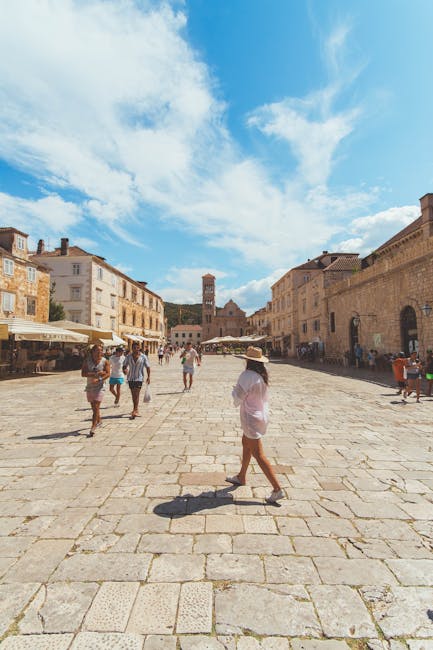
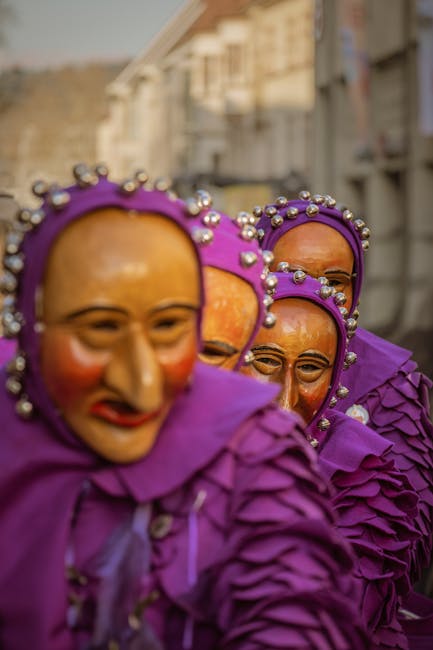
Hvar’s carnival, known as Hvarski karneval, takes place every year in the period before Ash Wednesday — usually February or March, depending on Easter. It’s a popular festival with medieval roots that has evolved over centuries: today it blends float parades, masked groups, dances, music and satirical sketches. The heart of the festivities is Trg Sv. Stjepana (Square of St. Stephen, 21450 Hvar), along the Riva (waterfront) and throughout the historic town’s alleys. Performances often start in late afternoon and continue into the evening.
Typical programme: celebrations kick off with an opening parade on the Riva in front of the Arsenal (Arsenal, Trg Tyrsa 3, 21450 Hvar). At 16:00 local and visiting groups gather in front of the Arsenal for the float presentations. At 18:00 there’s the official parade on Trg Sv. Stjepana; at 20:00 costume contests and musical entertainment take place on the stage in front of the cathedral. Times can change from year to year, so check the Municipality of Hvar’s website or the local Tourist Board (Tourist Board of Hvar, Trg Sv. Stjepana 5, 21450 Hvar) for the exact schedule.
Access and prices: spectator access to the parades is free. Some masked balls held in private venues or on boats may charge an entrance fee: expect roughly €10–€30 depending on the event (indicative). Mask- and costume-making workshops run by local associations may cost €5–€20 per person. If you want to reserve a table along the Riva to watch the shows, expect restaurant bills to be marked up by about 10–15% during carnival time.
Local tips: arrive early to secure your spot on Trg Sv. Stjepana (areas near the cathedral fill quickly). Bring warm layers (late-February evenings can be chilly). Respect the narrow streets: car traffic is often blocked and alleys get crowded. If you want to join the parade, contact the associations via the tourist office — many welcome foreign participants as themed groups. For photos, aim for an elevated position (the cathedral steps or the Arsenal balcony) for wide shots.
2. Summer processions: Assumption, candlelight and maritime parades
Summer in Hvar is marked by a series of solemn, visually striking processions that combine faith, music and maritime tradition. The most important is the Feast of the Assumption (Velika Gospa), celebrated every year on 15 August: it’s a major religious festival in Croatia, and Hvar stages liturgical ceremonies, land and sea processions and sacred concerts. The focal point is the Cathedral of St. Stephen (Katedrala Sv. Stjepana, Trg Sv. Stjepana 1, 21450 Hvar), where masses and vespers are held. Typical times include morning masses around 08:00, solemn vespers in the late afternoon around 18:00 and a major procession early in the evening at 20:00 that crosses Trg Sv. Stjepana and heads down to the Riva for embarkation.
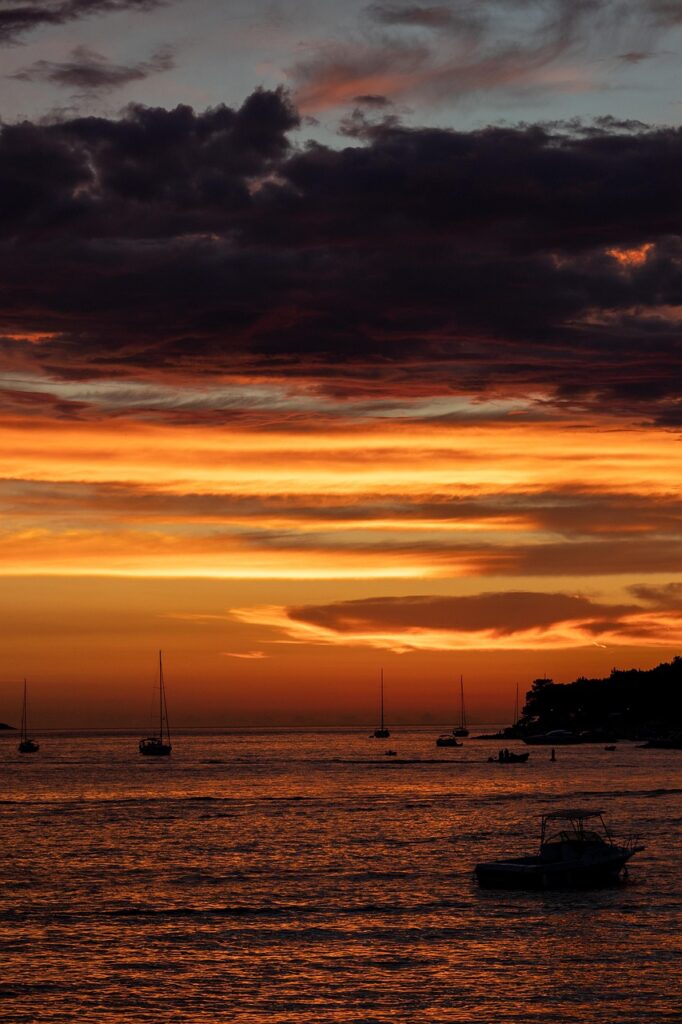
Maritime procession: one of the most striking moments is the sea procession where a statue of the Virgin or other icons are placed on a decorated boat. The nautical cortege sails across Hvar Bay escorted by decorated and illuminated boats. Spectators line the Riva (waterfront) and the quays. For the best view, stand along the Riva facing the Arsenal (Arsenal, Trg Tyrsa 3) or climb up to the Spanish Fortress (Fortica) for a panoramic perspective. Admission to Fortica typically costs between €4 and €6 (varies); summer opening hours: 09:00–20:00 (confirm locally).
Other summer celebrations: in July and August various brotherhoods celebrate their patron saints with smaller, very local processions — for example neighbourhood processions starting from small interior chapels like the Chapel of St. Peter (Sv. Petar) or the Franciscan Monastery chapel (Franciscan Monastery, Hvar, address: Franjevački samostan, 21450 Hvar). These events often include a cappella singing, distribution of blessed bread and floral offerings. They are free and offer a less touristy experience.
Practical tips: arrive at least 45 minutes before the procession departure to get a good spot, especially on 15 August. Dress respectfully for religious ceremonies (shoulders covered, avoid very short shorts). If you’re climbing to Fortica for the view, buy the entrance ticket at the Arsenal or the lower ticket office before the ascent to avoid queues. If you want a private vantage point, book a table at one of the Riva restaurants (for example Restaurant Gariful, Obala Fabrika 8, 21450 Hvar — note higher menu prices on festival evenings; main courses €20–€35).
3. Heritage and cultural celebrations: music, theatre and guilds
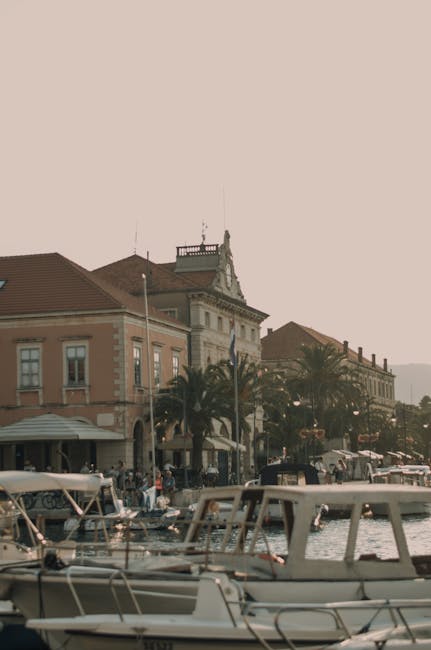
Beyond carnival and religious processions, Hvar maintains a lively calendar of cultural events tied to its traditions. The Arsenal (Arsenal, Trg Tyrsa 3, 21450 Hvar) is a central venue: a historic Venetian building that hosts classical concerts, theatre productions and exhibitions throughout the summer. Arsenal events are often ticketed: baroque music concerts or local choral performances typically range from €8 to €25, with discounts for students and seniors. Times depend on the programme; in high season expect performances most nights from around 20:00–22:30.
Neighbourhood festivals and historical reenactments: Hvar preserves brotherhoods and guilds that keep old ceremonies alive, including ceremonial welcomes, sea blessings and night vigils. These take place at specific sites: the Loggia (Loža) near Trg Sv. Stjepana, the municipal theatre (Hvar Theatre / Hrvatsko Narodno Kazalište Hvar, Trg Sv. Stjepana, central), and peripheral chapels. These events are great opportunities to hear Dalmatian a cappella singing and to see traditional costumes.
Tours and museums: to deepen your understanding of the festivals’ history, visit the Hvar Heritage Museum (Musej grada Hvara, Arsenal, Trg Tyrsa 3). Entry fees are usually between €3 and €6; summer opening hours: 10:00–13:00 and 18:00–21:00 (times vary). Local guides offer themed tours such as “Carnival & Rituals” or “Sacred Hvar” (typically €15–€30 per person for a 90-minute tour). These tours provide valuable context on the medieval origins of the ceremonies and the symbols used in the processions.
Local tips: book concert tickets in advance, especially in July–August. For themed guided tours, choose licensed English-speaking or French-speaking guides endorsed by the tourist office. If you attend a historical reenactment, respect areas reserved for participants and do not cross security barriers — this preserves the authenticity and safety of performers and the public. Support local initiatives by buying handmade crafts or official programmes sold during events.
4. Logistics, practical tips and etiquette to enjoy the festivals
Taking part in Hvar’s festivals needs a bit of planning: transport, accommodation, bookings and respect for traditions. Hvar Town is served by ferries and fast catamarans from Split (typical crossing times: 1–1.5 hours depending on the service). The main port is Hvar Port (Obala Fabrike 1, 21450 Hvar). In high season book ferry tickets in advance; prices vary by operator: fast catamaran Split–Hvar roughly €15–€30 one way, slower ferries €8–€15. For private transfers or water taxis to the Pakleni Islands count on €10–€50 depending on distance and passenger numbers.
Accommodation: rooms fill up quickly during major festivals. Hvar offers historic hotels (Hotel Adriana, Obala Fabrika 1, 21450 Hvar), private apartments and guesthouses. Indicative high-season rates: €80–€250 per night for a mid-to-upscale city-centre hotel; Airbnb apartments can range from €60–€180. Book early if you want to stay near Trg Sv. Stjepana to be in the thick of the action.
Etiquette and safety: during religious processions keep a low profile: no loud music, avoid flash photography during solemn moments. Dress appropriately for ceremonies. Follow cordons and organisers’ directions. In heavy crowds, use the marked exit routes and be mindful of risks on stairs, cobbled alleys and quays. Local medical services (dom zdravlja Hvar) are available for emergencies; the tourist office can provide contact numbers during the season.
Food tips and observation spots: to soak up the atmosphere while dining, book a table at Restaurant Gariful (Obala Fabrika 8, 21450 Hvar) for a seafood experience (main courses €20–€35). For panoramic views of the processions from the hill, climb to the Spanish Fortress / Fortica (entry €4–€6, summer hours 09:00–20:00). For a quick coffee and a convenient morning vantage point, locals like Ka’Lavanda café (Ulica Andrije Kačića Miošića 1, 21450 Hvar).
Conclusion: Experience Hvar’s festivals with respect and wonder
Hvar’s local festivals invite you to discover a living heritage where religious traditions, community rituals and convivial celebrations meet. From the masked, ironic street-theatre of the carnival to the summer processions — notably the Feast of the Assumption (Velika Gospa) on 15 August — which turn the bay into a luminous floating stage, each event offers an immersive experience. Moving around Hvar during these periods requires planning: book ferries and accommodation, check museum and office hours (Arsenal, Fortica, Cathedral of St. Stephen), and secure tickets for concerts or guided visits if you want deeper insight into local history.
Remember the practical tips: arrive early for a good spot, dress appropriately for religious ceremonies and follow organisers’ instructions. Prices in euros are generally reasonable for the region: Fortica tickets €4–€6, museum entries €3–€6, ferries €8–€30 depending on crossing type, and special evenings or balls €10–€30. The best viewpoints remain Trg Sv. Stjepana, the Riva facing the Arsenal and the ascent to Fortica for a nocturnal panorama.
Ultimately, taking part in Hvar’s festivals means letting yourself be carried by collective memory and the locals’ infectious joy. Whether you love costumes and colour or seek the spiritual depth of the processions, Hvar delivers intense, authentic experiences. Plan ahead, show respect, and be ready to be amazed: Hvar will give you unforgettable memories, between church bells, Dalmatian songs and lights on the sea.