


Introduction — Hvar’s Crafts and Music: an island that weaves and sings its story
Hvar, a Dalmatian island bathed by the Adriatic, is often celebrated for its turquoise coves and lively nightlife. But beyond the postcards and beach clubs, Hvar preserves a living heritage of traditional crafts and popular music that tell the island’s social and cultural story. Local crafts — from lavender products to textiles, jewellery and glasswork — coexist with musical traditions passed down through generations, from klapa (a cappella singing) to contemporary ensembles reinventing Dalmatian rhythms. This guide explores both sides of that coin: how touch (handmade objects) and listening (music) shape Hvar’s identity, where to find workshops, which experiences to prioritise, and how to buy or attend in ways that truly support local creators.
The approach here is practical and immersive: for each place or activity you’ll find the exact address, typical opening hours, indicative prices in euros, a detailed description of what’s on offer and local tips to get the most out of it. I focus on spots easily reachable from Hvar Town (the main entry point), with a few pointers for Stari Grad, which also houses many traditional artisans. Standard souvenir shops aren’t the main focus — the emphasis is on quality craft, workshops where you can meet makers, and musical venues that present authentic traditions — from small cafés where klapa groups gather to historic halls hosting classical and contemporary concerts.
Why is this guide useful? Because buying a locally made item or attending a traditional concert isn’t just a tourist gesture: it’s a concrete way to contribute to the economic and cultural viability of a small island community. By giving you precise addresses (streets, squares) and times, you can plan your days without wasting time wandering aimlessly. You’ll also find practical recommendations: how to haggle politely, when to prefer a workshop visit over a retail shop, which products to prioritise by season (for example, lavender goods in spring/summer), and how to pair a crafting outing with an evening of music on the same historic square.
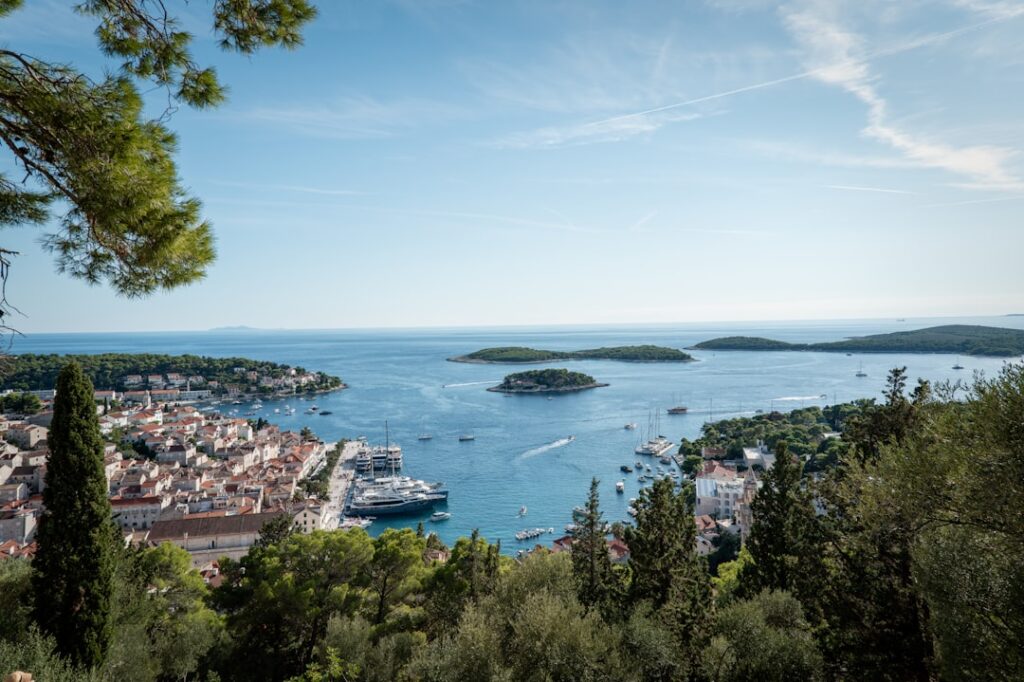
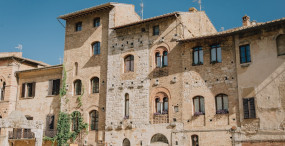
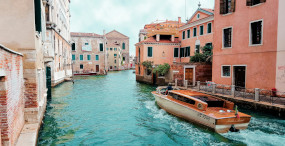
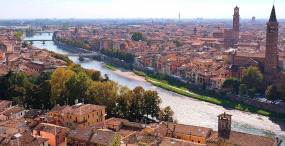
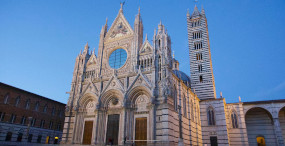
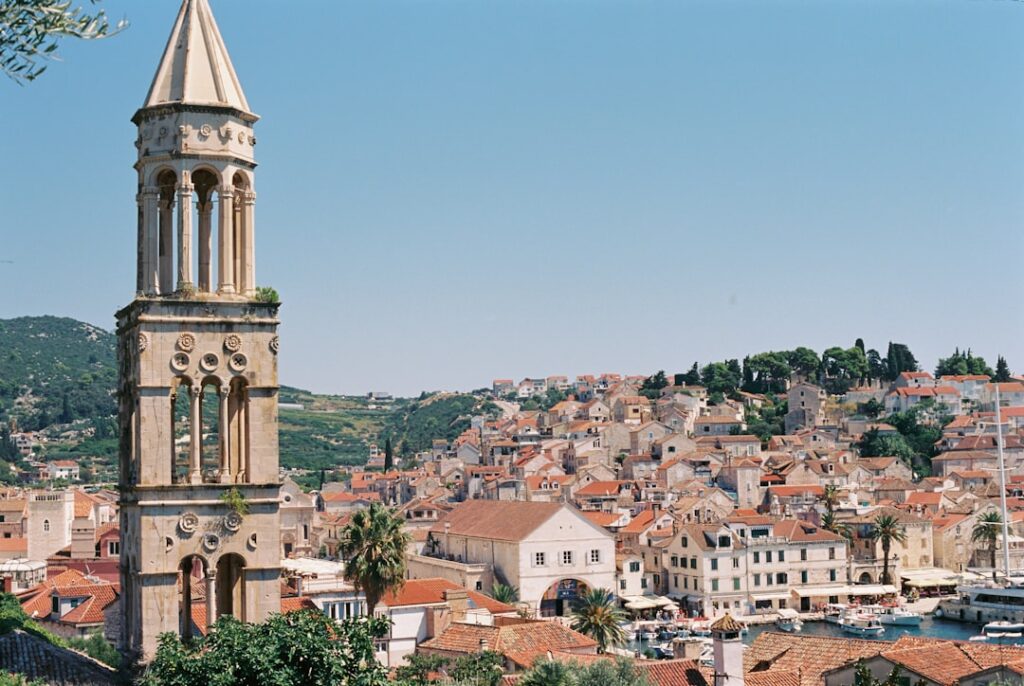
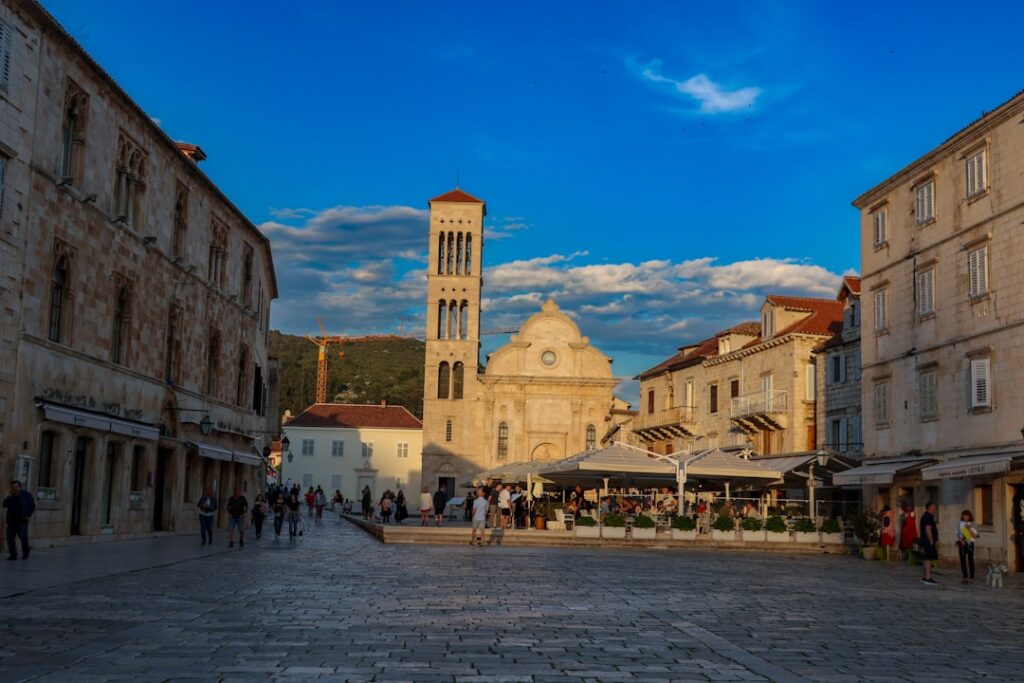
This guide also includes visual cues to help you picture the places before you go — iconic photos of squares, workshops and outdoor stages. Finally, for every address mentioned I give an indicative price in euros (estimated 2025–2026 prices) and typical opening hours; it’s always wise to double-check in season, as the high season (June to September) often brings schedule changes and special events. Ready to discover a lesser-known but equally vibrant side of Hvar? Let’s dive into the workshops, studio-shops, markets and music scenes that make the island unique.
Workshops and makers in Hvar Town: meet the creators
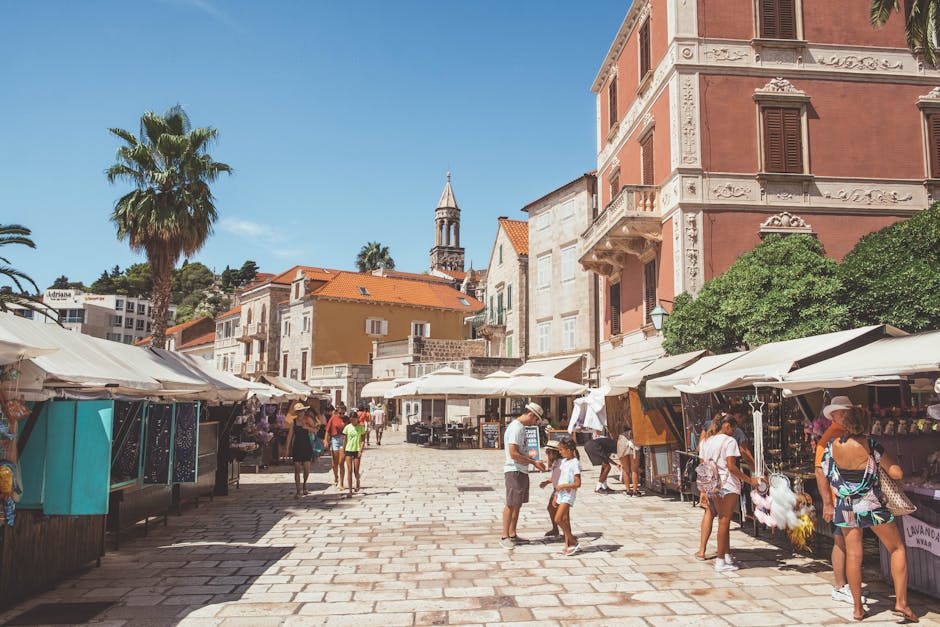
Hvar Town (Grad Hvar) concentrates most of the walkable artisan workshops from the harbour. The island’s artisanal spirit often shows up in studio-shops tucked into pedestrian lanes around Trg sv. Stjepana (St. Stephen’s Square). To start, head to Galerie Fortica (Galerija Fortica), located at Fortica (Španjola Fortress), accessible via Ulica kralja Tomislava and the path from Trg sv. Stjepana. Suggested address: Španjola Fortress, Ulica kralja Tomislava, 21450 Hvar, Croatia. Hours: access to the fortress path is generally open from 09:00 to 20:00 in summer (climbing up is free; guided tours cost around €10). The fortress hosts temporary exhibitions of local craft, often contemporary jewellery and ceramics.
Among the permanent workshops, look for Hvar Lavender Workshop (a studio specialising in lavender products), located in the heart of the old town: Ulica Petra Hektorovića 7, 21450 Hvar. Hours: 09:00–13:00 / 17:00–20:00 (high season), closed Sunday mornings. Indicative prices: sachet of dried lavender €5–8, lavender essential oil (10 ml) €12–18, handmade soap €3–6. Products are often accompanied by information cards explaining plant origins, distillation methods and usage tips.
The artisan jewellery shop Zlatarnica Radić (workshop and boutique) sits on the shopping street Ulica Kraj, address: Ulica Kraj 3, 21450 Hvar. Hours: 10:00–13:00 / 17:00–21:00. Products: silver and gold jewellery inspired by marine and Dalmatian motifs. Prices: rings from €40, bracelets from €30, bespoke silver pieces €80–150 depending on complexity. Many artisans accept custom orders with a 2–3 day turnaround in high season.
For ceramics and blown glass, visit the workshop Hvar Ceramics & Glass at the Port of Stari Grad (if you’re travelling to Stari Grad): Ulica 1. svibnja 12, 21460 Stari Grad. Hours: 09:00–17:00 daily. Demonstration workshops: about 1h30 sessions for €25–40 per person depending on the activity. It’s a great hands-on experience that lets you touch the material and leave with a meaningful piece rather than a mass-produced souvenir. Local tip: book early morning slots to avoid the heat and enjoy a full demonstration. Many studios also offer short courses (2–3 hours) by reservation.
Markets, local produce and plant-based know-how
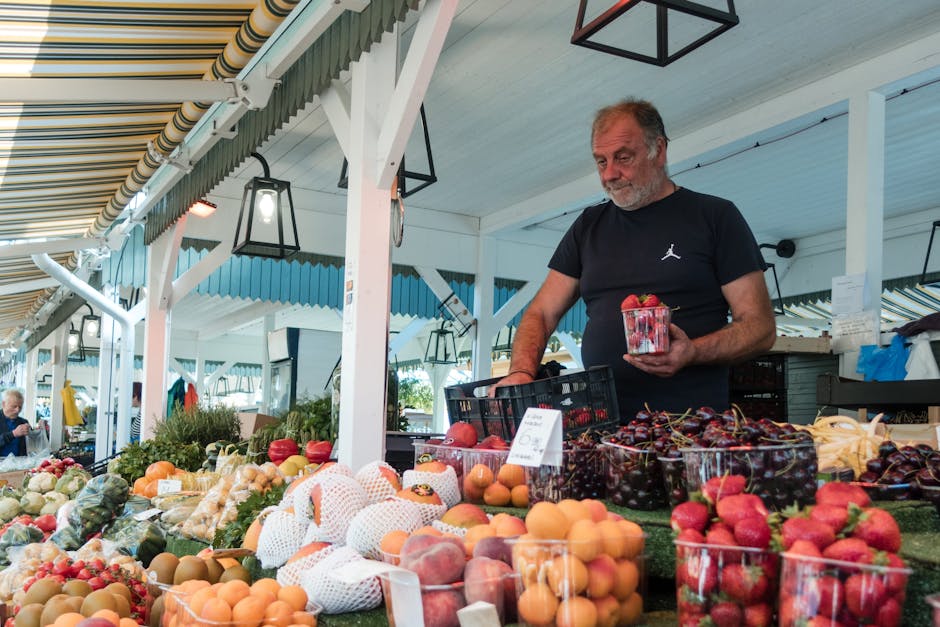
Hvar’s markets are the best place to see how terroir and craft connect: herbalists, beekeepers, olive oil producers and lavender distillers set up side by side. The main market is held near the harbour, on Riva Garićeva and (seasonally) around Trg Venecije; approximate address: Riva Garićeva, 21450 Hvar. Hours: morning market 07:00–12:00 (many stalls disappear in the afternoon). Typical products and prices: extra virgin olive oil (250 ml) €6–12, local honey (500 g) €8–15, sachets of lavender €5–10, dried herbs (oregano, sage) €2–5.
For a more immersive stop, consider the small-scale Distillery Lavande Hvar located on the outskirts: Potok 14, 21450 Hvar (note: country road). Visiting hours: by appointment, mornings recommended. Guided tours + tasting: €10–15 per person; distillation demo workshops: €20–40. The visit covers harvest, drying and steam distillation; many visitors leave with a bottle of essential oil and tips for using lavender in cosmetics and cooking.
Local market tips: bring small euro bills and coins — some stalls take cards sparingly; taste before you buy (honey, oil), and ask about the exact origin of products — honest producers are proud to tell you. Note also that some artisans use island-sourced materials (shells, driftwood) and that seasonality affects the offer: lavender bloom (June–July) is the peak time for fresh products and live distillations.
Music on Hvar: klapa, classical concerts and the summer programme
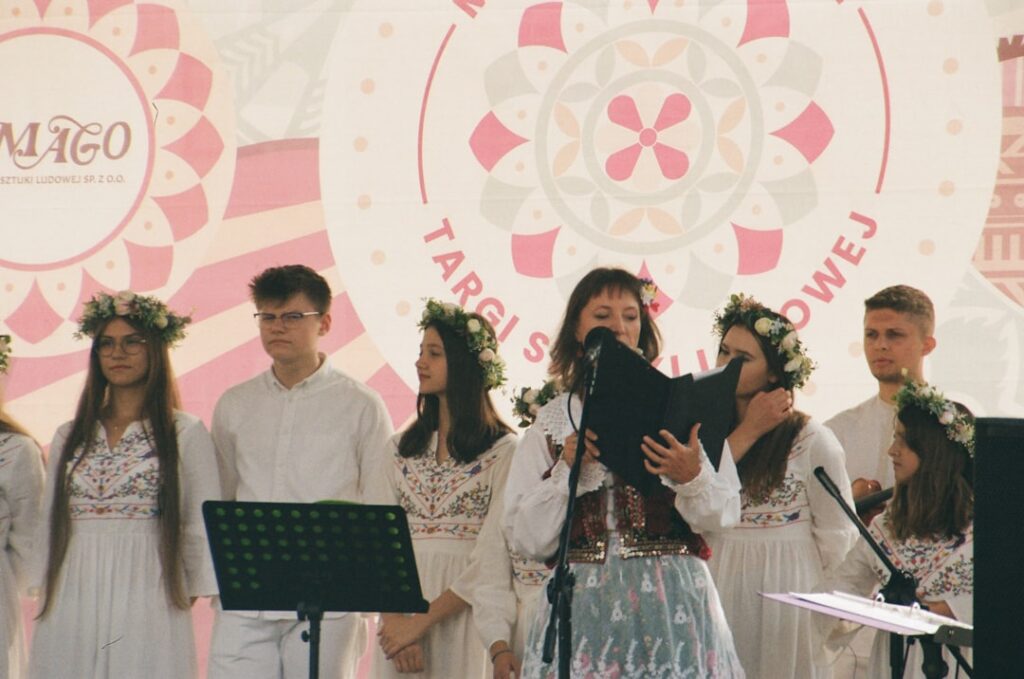
Music is everywhere on Hvar: it echoes through alleys at aperitivo time, fills historic squares during festivals, and plays in intimate café venues. The most emblematic form is klapa — polyphonic singing originally by men (now also by women), a cappella and recognised as intangible cultural heritage. One place to hear klapa in season is St. Stephen’s Square (Trg sv. Stjepana, 21450 Hvar): informal evening performances often take place between 20:30 and 23:00, usually for free depending on the summer schedule.
For organised events, check the Hvar Summer Festival programme, which traditionally runs from July to August and presents classical concerts, recitals and folk shows. Practical info: festival tickets €10–35 depending on the event. Typical venues: Hvarska katedrala (Cathedral of St. Stephen, Trg sv. Stjepana 1, 21450 Hvar) and the Arsenal (Arsenal Hvar, Trg Riva 1, 21450 Hvar) — the latter often hosts contemporary music concerts and exhibitions. Hours: evening concerts generally run 19:00–22:30; tickets available on-site and online.
For a more intimate vibe, look for bars and cafés with live music: Lampa Bar (Ulica Riva 7, 21450 Hvar) offers acoustic and jazz sessions in late afternoon/evening (free entry or voluntary contribution €3–10). Carpe Diem Beach Club (Carpe Diem Beach Club, Hvar, Stipanska 1, 21450 Hvar) is known for DJ sets and open-air shows; evening entrance fees: €10–20 on weeknights, €20–40 on event nights. Local tip: favour outdoor klapa evenings for an authentic experience — they’re often non-commercial and deeply moving, especially when human voices resonate between the old stone walls.
Combine workshops and concerts: recommended routes and practical tips
To make the most of Hvar’s craft and music offerings, here are two sample itineraries depending on your mood:
- Easy discovery route (relaxation and craft): morning at the Riva Garićeva market (07:00–11:30) to buy olive oil and honey; visit the lavender workshop (book a morning slot); free afternoon for a ceramics demonstration in Stari Grad (session €25–40); evening klapa at Trg sv. Stjepana (20:30).
- Intensive culture route (music & exhibitions): guided ascent to Fortica/Španjola (09:00–11:00, free to climb or guided tour €10), lunch by the harbour, afternoon gallery and artisan jewellery shop at Ulica Kraj 3, evening festival concert at the Arsenal (tickets €15–30).
Practical tips: arrive early to workshops (many close in the afternoon off-season), bring a light jacket for evening concerts (sea breeze), and always ask if the maker accepts card payments — in summer most do, but small producers often prefer cash. If you plan to bring food products home (olive oil, honey), pack them carefully and check your airline’s rules if you’re flying onward. Also respect rehearsal times and church services: many performances happen near religious buildings, where acoustics are wonderful but space can be limited.
Conclusion — Support and savour Hvar’s authenticity
Hvar is far more than a beach destination: it’s a place where craft gestures and singers’ voices weave a living narrative. By choosing to buy a handmade piece, attend a klapa on St. Stephen’s Square or watch a lavender distillation, you help preserve both tangible and intangible heritage. This guide has given you exact addresses (Ulica Petra Hektorovića 7, Ulica Kraj 3, Riva Garićeva, Trg sv. Stjepana 1, Arsenal Hvar Trg Riva 1, Potok 14, Ulica 1. svibnja 12), typical hours and indicative prices (lavender sachets €5–10, essential oils €12–18, workshops €20–40, concerts €10–35) to better plan your visits.
A few final recommendations: book appointments for workshops outside the town centre; bring small change for morning markets; respect the local rhythm — many workshops close in the afternoon off-season while high season adds more night-time activities; and let your ears guide you as much as the signs: an impromptu klapa night can be one of the most memorable moments of your trip. Buying locally and attending authentic performances is responsible tourism that helps keep these practices alive for future generations.
Whether you’re a collector, a music lover or a curious traveller, Hvar offers a palette of sensory experiences: smell freshly distilled lavender, feel warm ceramics straight from the studio, hear a klapa’s harmonics dissolve into the stone. Take home not just objects but stories — the hands that shaped them and the voices that hold the island’s memory. Safe travels and happy discoveries in Hvar!