


Introduction: Hvar Beyond the Postcards
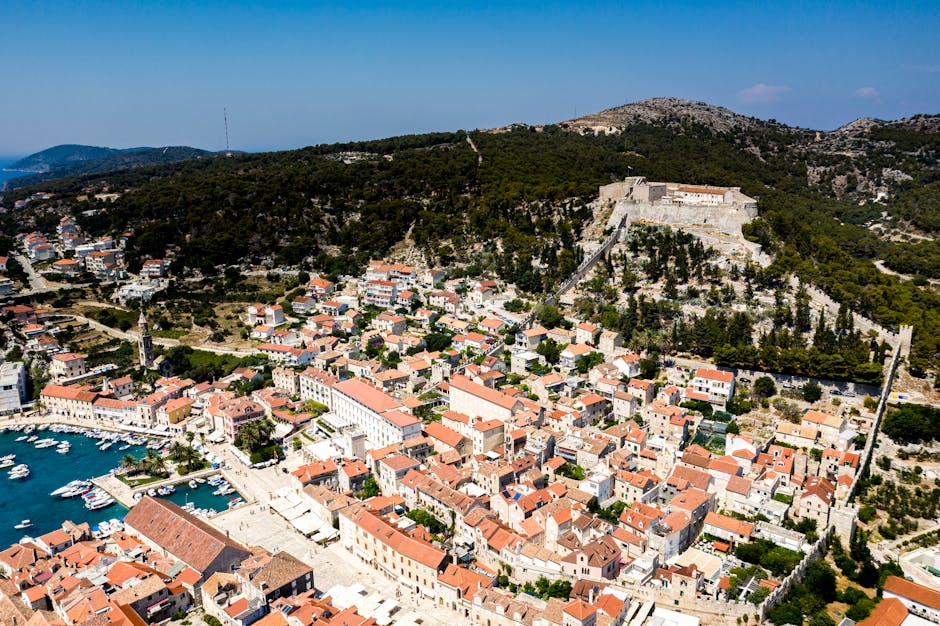
Nestled in the Dalmatian archipelago, the island of Hvar (pronounced with a soft aspirated « h ») has become one of the Adriatic’s must-visit spots. Hvar’s Old Town, centered on St. Stephen’s Square (Trg Svetog Stjepana) and the Fortica (Španjola) fortress, is packed with cafés, restaurants and shops and draws a steady stream of ferries, yachts and day-trippers every summer. Yet just a few streets away from that buzz you’ll find secret walks — trails, alleys, lookout platforms and tucked-away coves — that deliver a quieter, more authentic and just-as-memorable side of the island.
This practical guide gives you routes, exact addresses, suggested times and estimated prices in euros to help you avoid the crowds in the Old Town. It’s for anyone who wants to experience Hvar differently: walkers, cyclists, self-drive visitors, families and couples seeking peace and Mediterranean light. Rather than listing the obvious sights, each section outlines a geographical area or type of stroll (coastline, hills, vineyards, nearby villages) and includes concrete logistics: precise addresses, recommended visiting times, entrance fees and local tips to make the most of your visit.
Why do these secret walks work? First, Hvar is a large island: the Old Town is just the historic core of a much wider territory that includes rocky coastal paths, lavender-lined farm roads and hilltop villages with sweeping Adriatic views. Second, the tourist season moves in waves: early morning and late afternoon see the Old Town come alive while other spots stay peaceful. Finally, locals still keep their own addresses and habits — cafés off the beaten path, coves reachable only on foot, and shared boat rides — that let you experience Hvar like a resident rather than a tourist.
Throughout this guide you’ll find practical information: how to reach each spot from Hvar port (located about 1.5 km south of the Old Town), taxi and bus fares, where to park without breaking the bank, and the best times to walk to avoid summer heat and crowds. Prices are seasonal estimates (May–September) and may vary outside that period. Addresses are given in full so you can plug them straight into GPS or map apps. Recommendations for lesser-known restaurants, cafés and beaches round out this immersive approach: Hvar is discovered as much by taste as by sight — think olive oil, wine from the Jelsa region and fresh seafood.
1. Coastal Trails and Hidden Coves: Hvar’s West Coast
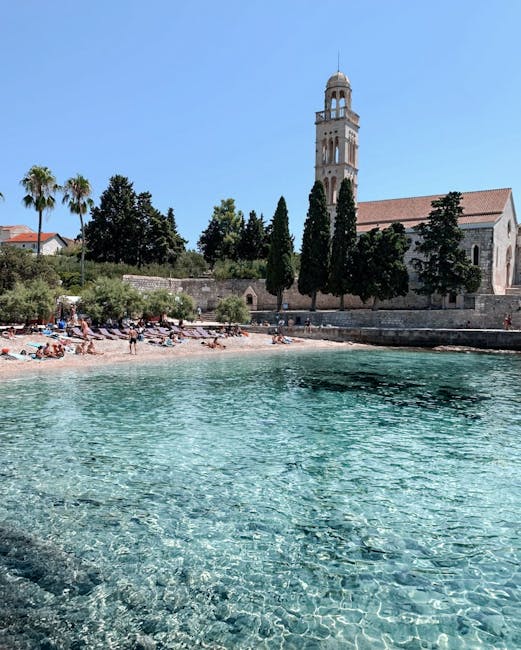
Hvar’s west coast, between the Old Town and the village of Zaraće, offers miles of rocky trails and coves with crystal-clear water and far fewer people. A practical route starts at Bonj Beach (Bonj Beach), located at the exact address Bonj, 21450 Hvar, Croatia. Bonj is a 20–30 minute walk from the port along the coastal road or reachable by water taxi from Marina Hvar (Marina Hvar, Ulica Stipana Radića 1, 21450 Hvar). Public access to the beach is free; if you use private facilities (sunbed and umbrella) expect roughly €12–18 per sunbed/day depending on the season. Private beach services typically operate from 08:00 to 20:00 in summer.
Continuing southwest, follow the marked coastal path to Zaraće cove (Zaraće Bay, address: Zaraće, 21450 Hvar). The trail starts near Bonj’s parking area (GPS coordinates available on Google Maps) and takes about 45 minutes on foot through Mediterranean scrub. Zaraće is known for low cliffs, turquoise water and pine shade reaching down to the shore. There are no facilities — bring water, a hat and proper shoes. Local tip: go before 10:00 or after 16:00 to avoid the heat and enjoy calmer water. Respect the environment: no fires, take your rubbish with you.
Access and transport: from Hvar port (Ferry Port Hvar, Obala Fabrika 1, 21450 Hvar), a taxi to Bonj costs about €6–10 (short ride), while the local Hvar–Stari Grad bus stops nearby (ticket roughly €2–3). If you rent a scooter (e.g. Hvar Scooter Rental, Ulica Pape Pavla VI 5, 21450 Hvar), rates start around €20/day for a 50cc off-season, up to €35/day in high season.
- Recommended times: 07:30–11:00 or 16:00–19:30.
- What to bring: walking shoes, 1.5 L water per person, hat, sunscreen, small first-aid kit.
- Local tip: snorkeling is excellent here — bring a mask and fins to explore the rocky seabed near Zaraće.
2. Between Vineyards and Villages: Countryside Walks
Hvar’s interior reveals a rural landscape of lavender fields, vineyards and stone hamlets. Start your walk in Jelsa (address: Trg Hrvatskih Velikana 1, 21465 Jelsa, Croatia), a town about 20 km from the Old Town reached by car via the D116 road (drive time: 30–40 minutes depending on traffic). Recommended parking: Parking Komunala, Ulica Petra Hektorovića, Jelsa (price approximately €0.50–1/hour in high season). Jelsa is also served by intercity buses from Hvar (ticket about €3–4).
A walk or bike ride through the hills around Jelsa passes wineries like Domaine Tomić (Vinarija Tomić, address: Ulica don Mihovila Pavlinovića 20, 21485 Pitve; note: Tomić’s main operations are on Hvar’s south coast and the winery is open by appointment). The Tomić Wine Tasting offers tastings by reservation: roughly €15–25 per person for a selection of local wines and a cellar visit (tasting hours: 10:00–16:00, closed on Sundays off-season). Another option: Vina PZ Svirce (Svirče 232, 21465 Svirče) also runs vineyard visits and direct sales; book at least 24 hours in advance.
Suggested routes: from Jelsa center, take the road toward the hamlet of Pitve and follow marked farm tracks toward Velo Grablje (Velo Grablje, 21465). These trails cross stone terraces and offer views over Jelsa Bay. Go at a relaxed pace: allow 3–4 hours including a winery stop, photo breaks and lunch. Cyclists will find many e-bike rentals (e.g. Hvar E-Bike Rentals, Ulica Fabrika 3, 21450 Hvar) with rates from about €35/day for an e-bike.
- Local tip: buy wine or olive oil directly from the producer — quality is often better and prices more reasonable than in town (local bottle of wine: €6–15 depending on range).
- Opening hours: vineyards by appointment; generally 09:00–17:00 Monday–Saturday in season.
- Practical tip: pack a picnic with local goods bought at Jelsa’s bakery (Bakeries: Pekara, address: Obala 5, Jelsa; sandwich prices €3–5).

3. Panoramic Walks: Fortica and Lesser-Known Hills
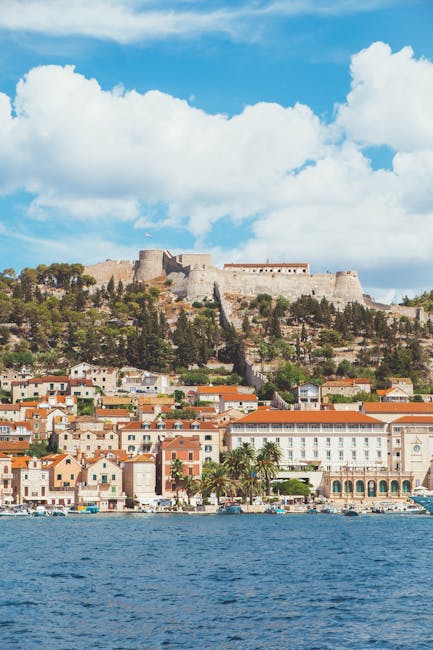
The Fortica (Španjola) fortress is one of Hvar’s most photographed spots, but there are alternative routes that lead to equally dramatic viewpoints without the crowds. The main Fortica entrance starts at the foot of the Old Town on Ulica Samostanska (street coordinates for base: Ulica Samostanska, 21450 Hvar). Admission to Fortica is around €6–8 for adults (indicative price; opening hours: 09:00–19:00 in summer, 09:00–17:00 off-season). To avoid queues, climb early in the morning or late afternoon.
Alternative route: from the main square take the alley Ulica Andrije Kačića Miošića east and follow a quieter path up toward the Saplunara neighborhood and the small viewpoint on St. Nicholas Hill (local name: Brdo Sveti Nikola, access via local footpath from Ulica Pjaca). The path winds through olive terraces and opens onto views of the Pakleni Islands. Walk time: 25–35 minutes uphill. Benefit: virtually no tour groups and clear, unobstructed views.
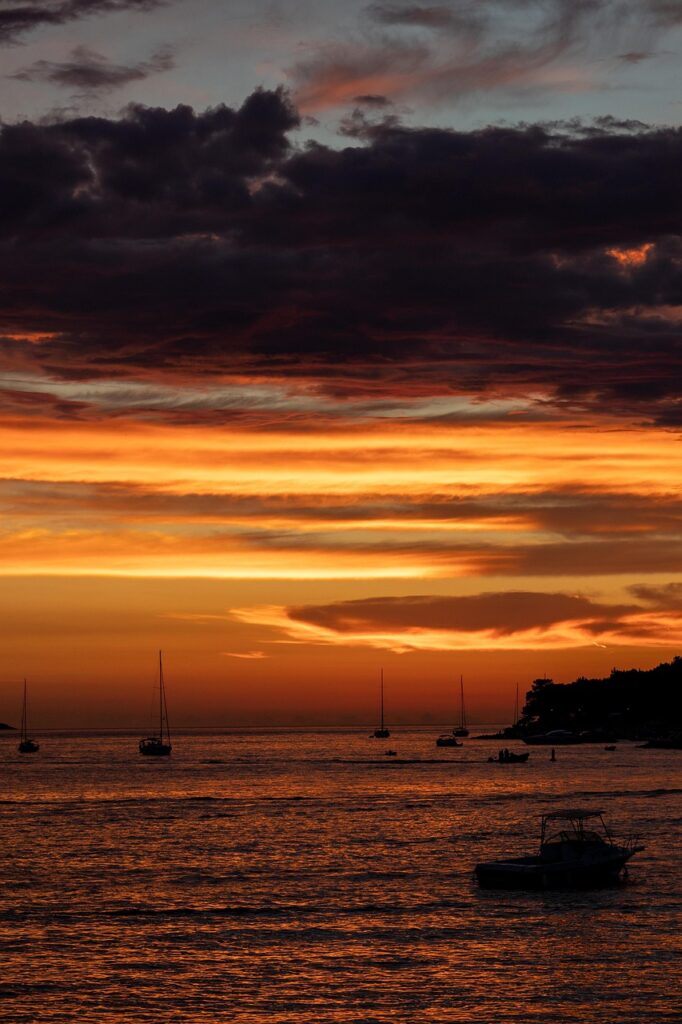
For a longer walk, continue up the hill toward the Dominican monastery (Dominikanski Samostan, address: Trg Gospe od Milosti 4, 21450 Hvar). The monastery complex houses a library and a museum; museum entry is about €3–5 (hours: generally 10:00–16:00 in summer). Keep going north along the trail to small natural platforms that make perfect sunset spots over the Adriatic — ideal for a quiet, contemplative break away from the crowds.
- Walking tip: wear closed shoes for gravel paths; bring a headlamp if you plan to return after sunset.
- Access: taxi from the port about €8–12; small mountain bike hire available for €25–40/day.
- Safety: in summer carry plenty of water and avoid the hottest hours (12:00–15:00).
4. The Pakleni Islands and Short Sea Excursions: Escape the Crowded Quays
The Pakleni Islands (Pakleni Otoci) form a string of islets just off Hvar’s Old Town. Instead of sticking to the main crowded quay, explore alternative boarding points and quieter beaches. Public shuttles in summer leave from the Ferry Port Hvar, Obala Fabrika 1, 21450 Hvar and serve small beaches like Stipanska, Sveti Klement and other bays. A public boat trip (catamaran or local boat) to Palmizana (in the Pakleni) costs about €2–6 one-way depending on distance (schedules vary; more frequent services in summer, roughly every 20–60 minutes between 08:00 and 22:00).
Quieter option: hire a private taxi-boat from Marina Hvar (Marina Hvar, Ulica Stipana Radića 1, 21450 Hvar). Prices vary: expect around €60–120 for a half-day (4 hours), depending on passenger count and route. Small boats let you reach private coves and pebble or rocky beaches with very limited crowds. Lesser-known beaches to seek out include Grebišće Bay (often only boat-accessible) and Suhograd beach on Sveti Klement.
Tips for planning your sea trip: book early in the morning between 08:00 and 09:30 to avoid yachts and larger tourist boats that depart later. Bring a small cooler with water (1.5–2 L per person), snacks and a snorkel mask. Kayak rentals (Hvar Kayak, Commercial Pier, 21450 Hvar) offer guided trips to some coves; indicative prices are €25–40 for a half-day.
- Public boat schedules: ramp up in summer; check local port notices or Jadrolinija and other local operators for exact times.
- Local tip: carry a paper map or download offline maps — mobile coverage can be limited at sea or in some coves.
- Safety: children must wear lifejackets on taxi-boats; check with the operator before departure.
Conclusion: Experience Hvar Off the Beaten Track
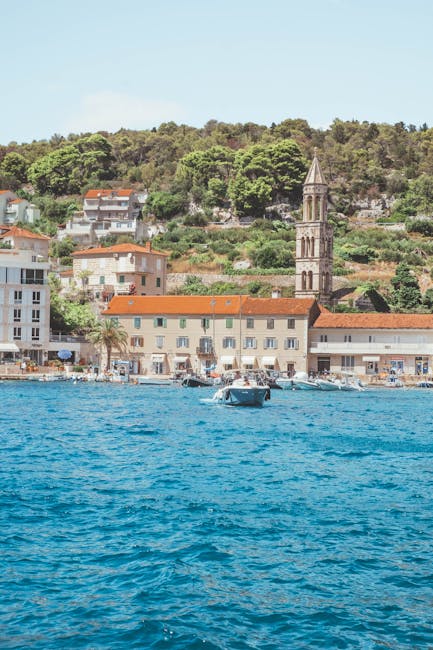
Hvar has many faces: the Old Town draws visitors with its baroque charm and lively atmosphere, but if you want a deeper, calmer experience the routes described here — west coast coves, vineyard hinterland, panoramic hills and short sea trips to the Pakleni — will help you avoid crowds and discover an authentic side of the island. Each walk delivers not just views and sea air but encounters with local producers, wineries and hamlets that keep a slower rhythm than the historic center.
Before you go, remember a few simple rules: respect the environment (take your rubbish with you, don’t remove stones or plants), check local timetables (bus, winery and boat hours change by season) and pack appropriate gear (walking shoes, hat, water). In peak season (July–August) head out early for peace; May, June and September are ideal for longer hikes and less-crowded beaches.
Budget: daily spending can vary widely depending on your travel style. For walks and picnics, costs are minimal (under €10–20 per day). For structured activities (wine tasting: €15–25; boat hire: €60–120 for a half-day) add those items to your budget. Local transport: short taxi €6–12, intercity bus €2–4, e-bike rental €35+/day. Combining walking, cycling and local shuttles will cut costs while multiplying discoveries.
Ultimately, the key to avoiding Hvar’s crowds is to spread your visit across time and space: go early or late, favor peripheral routes and local experiences — a tasting at a small winery, lunch in Jelsa, snorkeling in a cove reachable only on foot. Hvar reveals its secrets to those willing to seek them out: follow these practical tips and you’ll leave with images, tastes and memories the Old Town alone can’t provide.