


Introduction: Hvar Through the Seasons — Why This Seasonal Guide Is a Must
The island of Hvar, tucked into the Dalmatian archipelago of Croatia, is a Mediterranean traveler’s microcosm: sun-drenched beaches, stone alleys, ancient fortresses, vineyards and a cultural life that shifts with the seasons. This guide is designed to give you a clear, detailed rundown of Hvar’s cultural calendar and the island’s can’t-miss events throughout the year. It’s aimed both at first-time visitors planning their trip and returning travelers who want to catch local highlights off the beaten path. You’ll find not only dates and descriptions but also practical details: exact addresses, typical hours, prices in euros, local tips and immersive recommendations to make the most of each season.
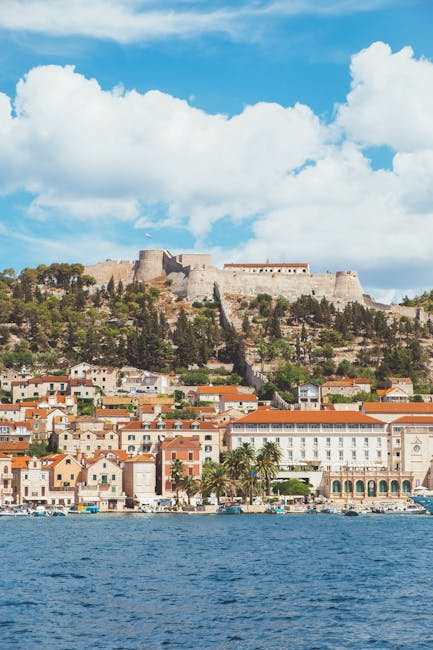
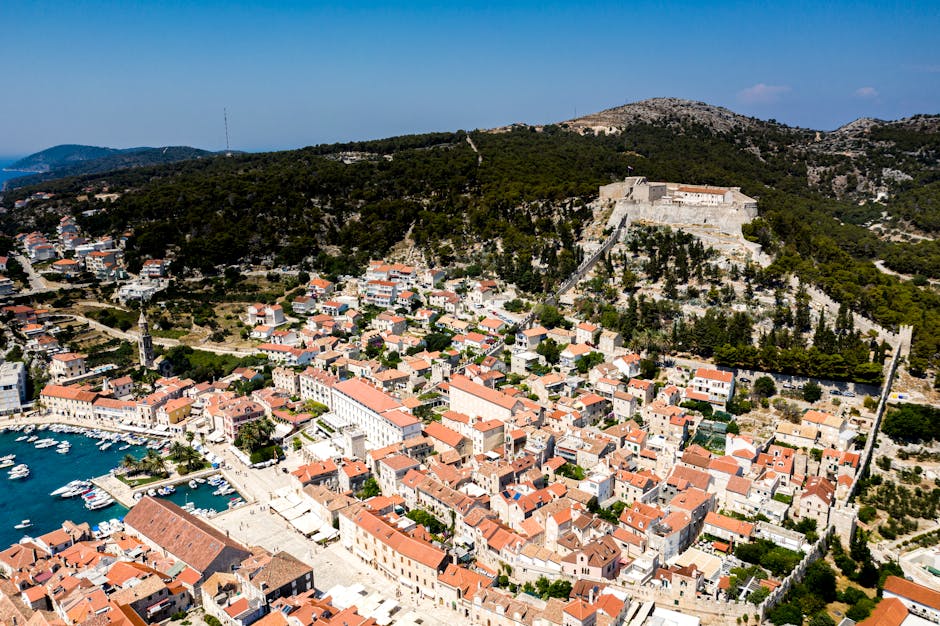
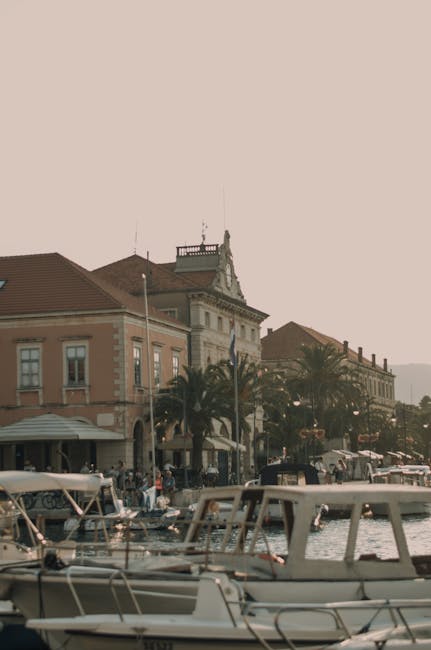
Hvar Town is the island’s cultural and logistical hub: the main harbor, the Riva promenade (Obala pape Ivana Pavla II, Hvar 21450), St. Stephen’s Cathedral (Katedrala Sv. Stjepana, Trg Sv. Stjepana 1, Hvar 21450) and the Fortica (Španjola, Ulica Fortica, Hvar 21450) fortress create a triangle of attractions pulsing with boat traffic and festival energy. But Hvar goes beyond Hvar Town: inland villages like Velo Grablje and Malo Grablje, the island’s lavender fields, the vineyards around Jelsa and community events in Stari Grad or Sućuraj add valuable cultural layers. Knowing the seasonal calendar helps you choose between summer buzz, authentic religious festivals, ideal windows for hikes and nature watching, or the quiet of November through March.
In this guide we break things down by season (spring, summer, autumn, winter) and by event type (music festivals, religious and traditional celebrations, food and agricultural fairs, exhibitions and sporting events). For each major event you’ll get: the full name, an immersive description, the venue or precise location, usual hours, entry prices in euros (when applicable), and practical tips — for example, what time of day to visit to avoid crowds, how to dress, or how to book. We also include suggested complementary visits (museums, restaurants, beaches) and transport tips (approximate ferry and bus times, parking notes).
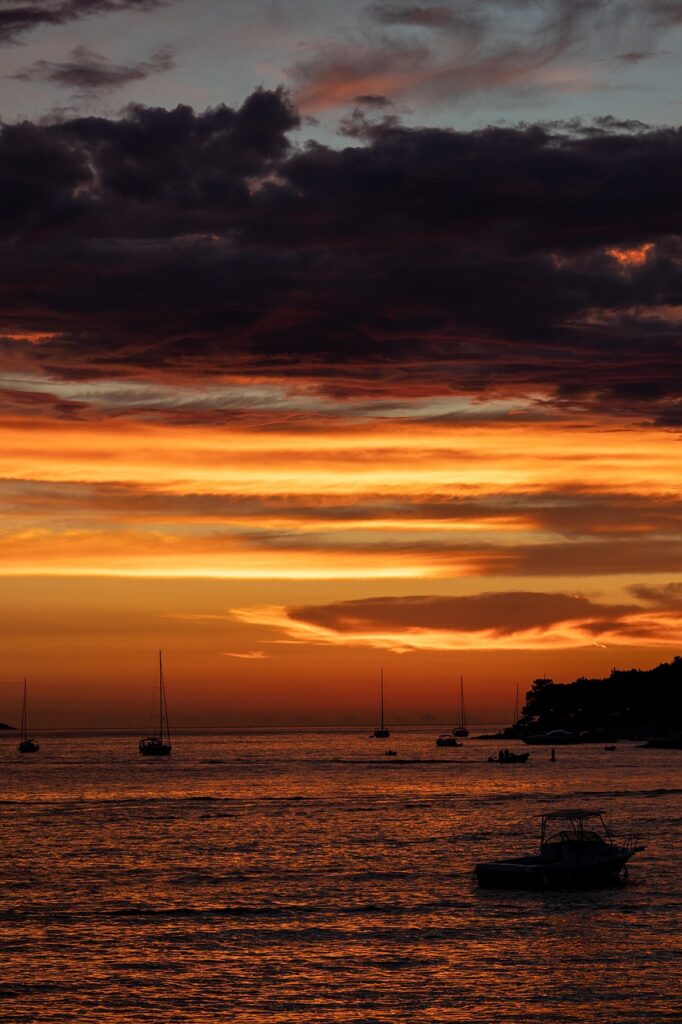
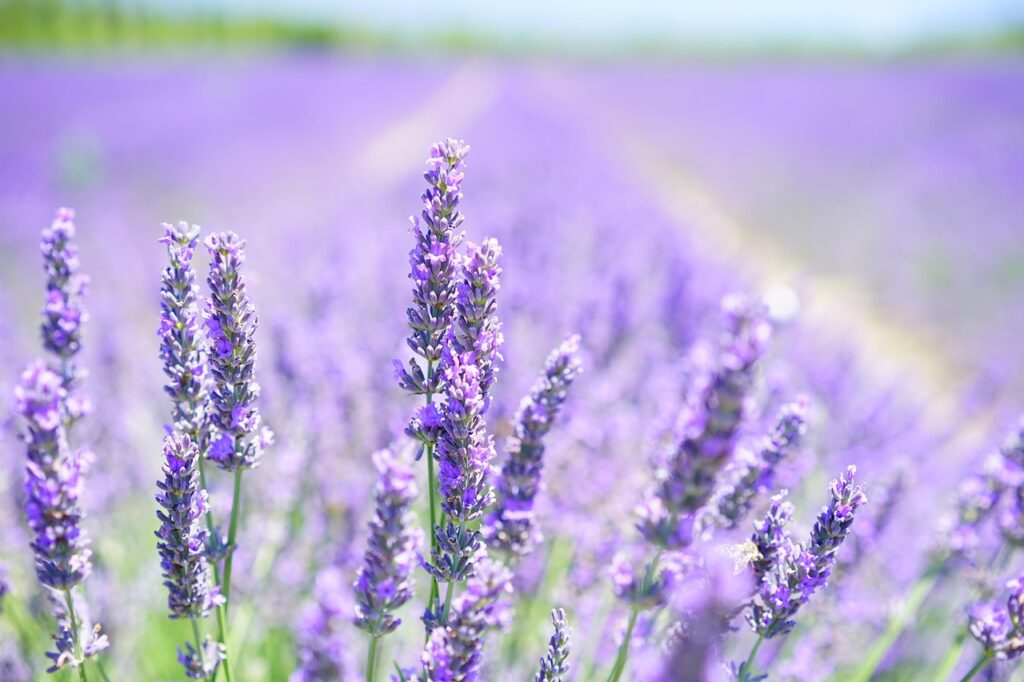
To make the article livelier and more useful, you’ll find image placeholders 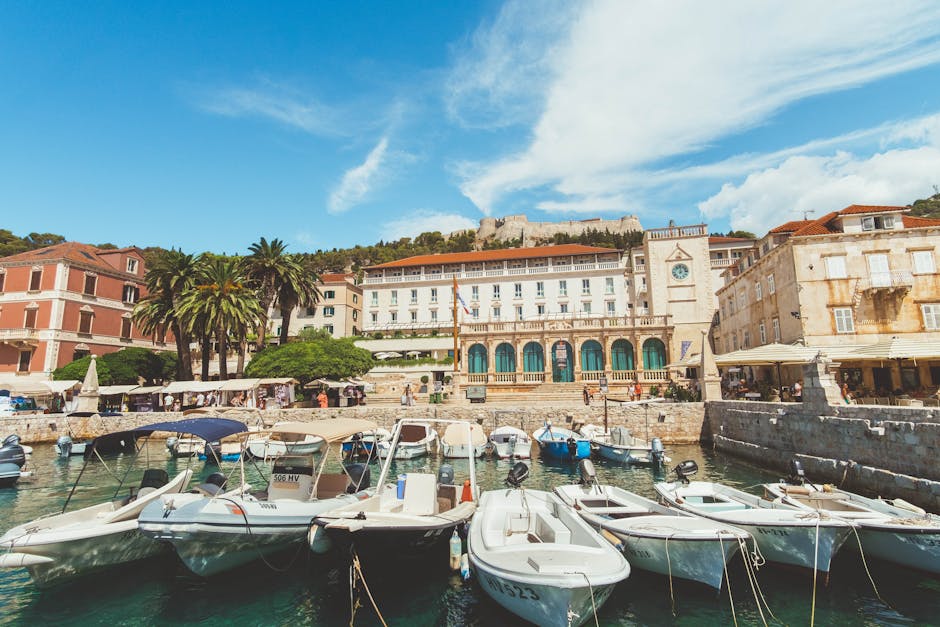 — seven to twelve in total — so you can picture the key scenes: sunset strolls, open-air concerts on the main square, blooming lavender fields and local produce markets. These visual anchors are handy if you’re preparing a slideshow, travel journal or simply want to imagine Hvar through the seasons.
Spring (March to May): Cultural Reawakening, Rural Festivities and First Sea Outings
Spring on Hvar is a time of rebirth. Temperatures slowly warm (about 12–20 °C), vegetation revives and social life returns after the winter lull. It’s an excellent season for hikes, exploring interior villages and taking part in agricultural and religious festivities that mark the local calendar. Hvar Town’s streets come alive: cafes open their terraces on the Riva (Obala pape Ivana Pavla II, Hvar 21450), reservations are still easy and accommodation prices are gentler than in summer.
Key events:
-
Hvar Carnival (Karneval u Hvaru) — usually in February/March depending on Easter.
Description: Colorful parades, traditional costumes and street music throughout Hvar Town and neighboring villages. Main activities take place around Trg Sv. Stjepana (St. Stephen’s Square), Trg Sv. Stjepana, 21450 Hvar. Hours: parades late afternoon (16:00–20:00). Price: free. Local tip: wear closed shoes for walking on the cobbles and carry small change for street food stalls.
-
Spring Fair and Local Crafts Market in Jelsa — mid-April.
Description: local produce, plants, winemakers and traditional craft demonstrations. Venue: Trg bana Josipa Jelačića, Jelsa 21465. Hours: 09:00–18:00. Price: free entry; workshops 5–20 €. Tip: try the local olive oil and pick up rosemary or lavender plants for your home garden.
-
Opening of the Nautical Season — late April/early May.
Description: ceremonies at Hvar’s main harbor (Obala pape Ivana Pavla II, Hvar 21450) and the first organized boat trips to the Pakleni Islands. Hours: main activities 10:00–16:00. Price: boat trips 25–60 € depending on duration and route. Tip: book boat transfers to the Pakleni Islands (water taxis) in advance on weekends.
Recommended spring sites and visits:
- Fortica (Španjola) Fortress — Ulica Fortica, Hvar 21450. Spring hours: usually 09:00–17:00 (April–May), variable off-season. Price: around 6 € for access to the museum and viewpoints. Immersive description: step back to the 15th century as you walk the ramparts, enjoy panoramic views over the town and nearby islands and take in the brightly colored fields around you.
- Katedrala Sv. Stjepana (Cathedral of St. Stephen) — Trg Sv. Stjepana 1, Hvar 21450. Hours: 08:00–12:00 and 16:00–19:00 (check on arrival for religious services). Price: free to visit; donations suggested for the diocesan museum (about 2–5 €).
Local tips for spring: bring layered clothing (cool mornings, sometimes warm afternoons), pack sturdy walking shoes for the stony trails around Sveti Nikola and Donji Humac, and enjoy the more reasonable restaurant prices. Many restaurants reopen gradually; for instance Konoba Menego (Ulica St. Nedjelje 5, Hvar 21450) serves local mains for about 12–18 € off-season.
Summer (June to August): Cultural Peak, Music Festivals and Lively Nightlife
Summer is high season in Hvar: hot sun, large tourist crowds and a packed cultural calendar. From June through August Hvar turns into an international stage hosting music festivals, art events and major religious celebrations. Temperatures commonly reach 28–33 °C and the Adriatic becomes the main attraction. If you love buzz and people-watching, Hvar Bay and the Riva will be your playground; if you prefer exclusivity, the Pakleni Islands and secluded beaches like Dubovica are peaceful refuges.
Key events:
-
Hvar Summer Festival (Hvarsko Ljeto) — July to August.
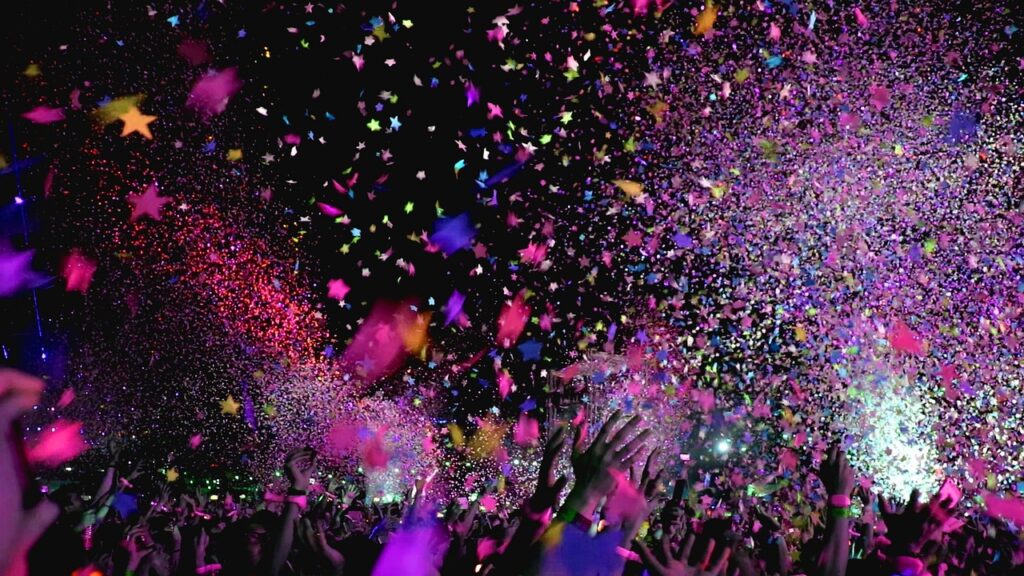
Description: a series of concerts, theater performances, exhibitions and open-air screenings. Main venue: Trg Sv. Stjepana (St. Stephen’s Square), Trg Sv. Stjepana 1, Hvar 21450, plus historic sites like the Arsenal and the Public Theatre. Hours: evening shows, typically 20:30–23:30. Price: depending on the program 10–40 € per ticket, some concerts free. Tip: buy tickets in advance for open-air nights on the square; bring a light jacket for coastal evenings.
-
St. Stephen’s Feast (Fešta Sveti Stjepan) — early/mid-August (local dates may vary; often around August 5–15).
Description: Hvar’s patron saint celebration mixing religious processions, concerts, fireworks and communal meals. Venues: Trg Sv. Stjepana, local churches and the harbor (Obala pape Ivana Pavla II, Hvar 21450). Hours: activities throughout the day and evening; processions usually late afternoon. Price: most events free; community meals may cost 10–20 €. Tip: arrive early for the best spots and show respect for religious traditions during processions.
-
Open-air concerts and DJ nights at Hula Hula Beach Bar — daily in summer.
Venue: Hula Hula Beach Bar, Obala Kresimira, Podstine area, Hvar Town (approximate location near the beach). Hours: 10:00–02:00, DJ nights 21:00–02:00. Price: free entry in the afternoons, special nights 10–30 €. Tip: arrive before 20:00 to secure a waterfront spot; drinks 6–12 €.
Recommended summer activities and visits:
- Pakleni Islands day-trip — daily departures from Hvar Riva (Obala pape Ivana Pavla II, Hvar 21450). Duration: 4–8 hours. Price: water taxi 25–60 € depending on route; organized tours 40–90 € (sometimes including lunch). Description: turquoise coves, snorkeling and beach restaurants like Laganini Beach Club & Fish House (Palmižana, Pakleni Islands). Tip: book early if traveling on weekends.
- Dubovica Beach — Uvala Dubovica, Hvar Island (approx. 10 km east of Hvar Town). Access: road with parking, then a downhill walk. Hours: beach open all day. Price: free access; sunbeds 10–20 €. Immersive description: a pebble cove with crystal-clear water and a small restaurant serving grilled fish for 12–25 € per serving.
Transport and logistics: in summer there are frequent ferry connections from Split (Jadrolinija): Split ↔ Hvar (sometimes via Stari Grad); duration 1h30–2h30 depending on the service. Approximate fares: 10–25 € one-way. Ferries and catamarans run early in the morning (around 06:00–09:00) and into the evening depending on the timetable. For local water-taxi transfers to the Pakleni Islands count on boats carrying 2–6 passengers: fares vary and bargaining for late returns is possible.
Autumn (September to November): Harvests, Food Festivals and Golden Landscapes
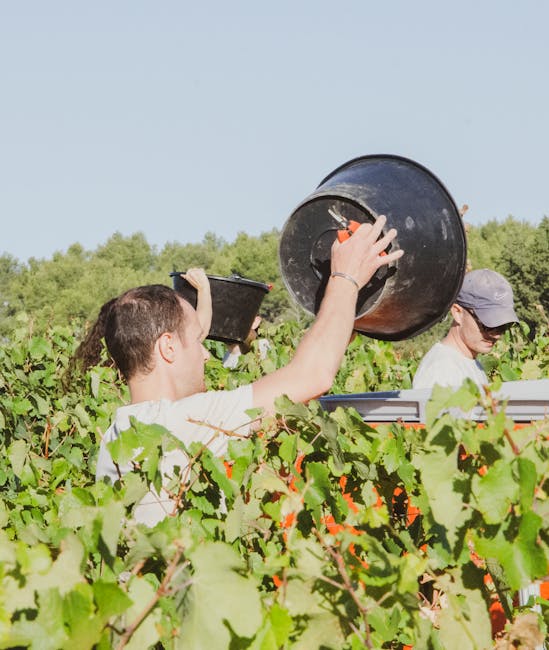
Autumn on Hvar offers a charming contrast to summer: temperatures gradually fall (20–24 °C in September, 10–16 °C in November), the sea stays warm into early October and the grape harvest draws winemakers and wine lovers. It’s the perfect season for wine tourism, hikes through fragrant maquis and joining local food festivals. Tourist numbers drop, making visits to monuments and restaurants much more comfortable.
Key events:
-
Harvest and Wine Festivals — September to October, especially in Stari Grad and Jelsa.
Description: participate in the grape harvest, taste local wines (Plavac Mali, Bogdanuša), join blending workshops and tasting introductions. Venues: local wineries and cooperative cellars (for example Vinarija Tomić – Tomić Winery, Ulica Rotkvar 25, Milna/Stari Grad area — check the exact local address). Hours: events around 10:00–18:00. Price: tastings 10–30 €, workshops 30–60 €. Tip: book cellar tours and aim for morning harvest activities.
-
Gastronomy Week and Olive Oil Festivals — late October/November.
Description: extra virgin olive oil markets, pressing demonstrations and stalls of local specialties (honey, cheeses, charcuterie). Typical venues: Jelsa Town Square, Trg bana Josipa Jelačića, Jelsa 21465, and municipal exhibition halls. Hours: 09:00–16:00. Price: free entry; products for sale. Tip: buy a small bottle of extra virgin olive oil (250 ml for 6–12 €) as a gastronomic souvenir.
-
Autumn cultural programme at the Hvar Public Theatre (Hvarsko Kazalište) — September/November.
Venue: Hvar Public Theatre, Trg Sv. Stjepana (theater building near the Arsenal). Hours: evening shows 19:00–22:00. Price: tickets 8–25 €. Description: plays, chamber concerts and recitals held in one of Europe’s oldest public theatres. Tip: check the local program and book online or at the box office.
Recommended autumn visits:
- Stari Grad Plain (UNESCO World Heritage) — Stari Grad, Hvar Island. Sites: Zavala, Vrboska and the cultivated fields. Hours: free walking; local museums 09:00–16:00. Price: museum entries 3–6 €. Immersive description: follow ancient stone pathways that map out fields cultivated since antiquity, breathe in the scents of olive trees and vineyards and discover agricultural traditions passed down through generations.
- Local taverns (Konobas) — for example Konoba Menego (Ulica St. Nedjelje 5, Hvar 21450) and Konoba Riva (Obala pape Ivana Pavla II area). Main course prices: 10–25 €. Tip: opt for seasonal autumn dishes like stewed lamb, mushroom-based plates and local slow-cooked fish.
Practical tips for autumn: bring a windproof jacket for seaside evenings, check harvest participation rules if you want to join (spaces limited), and enjoy lower accommodation rates than in peak summer. Ferry connections remain regular in September but become less frequent in October–November; verify schedules before planning inter-island trips.
Winter (December to February): Quiet, Religious Traditions and Authentic Local Experiences
Winter on Hvar is the quietest and arguably the most intimate season: tourists thin out, village life slows and local traditions reappear in full. Temperatures are cool (typically 5–12 °C), the sea can feel austere but winter colors and low light give the island a compelling atmosphere. Tourist services are reduced, but community events, Christmas markets and religious celebrations punctuate the season.
Key events:
-
Christmas markets and nativity events — December.
Venues: Trg Sv. Stjepana and local churches in Hvar Town. Hours: daytime markets 10:00–18:00, midnight masses at 24:00. Price: generally free; items for sale 3–30 €. Description: small stalls, local craftsmen and church choir concerts. Tip: try the fritula (local doughnut) sold at markets for 1–3 €.
-
Epiphany processions and local winter customs — early January.
Description: religious processions and blessings of the sea (in some years), often followed by communal meals. Venues: parish churches and the harbor (Obala pape Ivana Pavla II, Hvar 21450). Hours: morning and early afternoon. Price: free. Tip: be respectful during solemn moments and check the parish (Katedrala Sv. Stjepana, Trg Sv. Stjepana 1) for exact times.
-
Hvar in winter — cultural programme — January/February.
Description: small concerts, exhibitions and theater nights at the Hvar Public Theatre and the Arsenal. Hours: evenings 18:00–21:00. Price: tickets 5–15 €. Tip: these events are great opportunities to meet locals and gain insight into the island’s cultural life.
Recommended winter visits:
- Hvar Museum (Hvarski Muzej) and Heritage — Arsenal area, Trg Sv. Stjepana, Hvar 21450. Winter hours: often 10:00–15:00 on weekdays, sometimes closed on certain weekends; check before you go. Price: 3–6 €. Description: collections of sacred art, model ships and local history. Tip: call or check the town hall website for updated opening times.
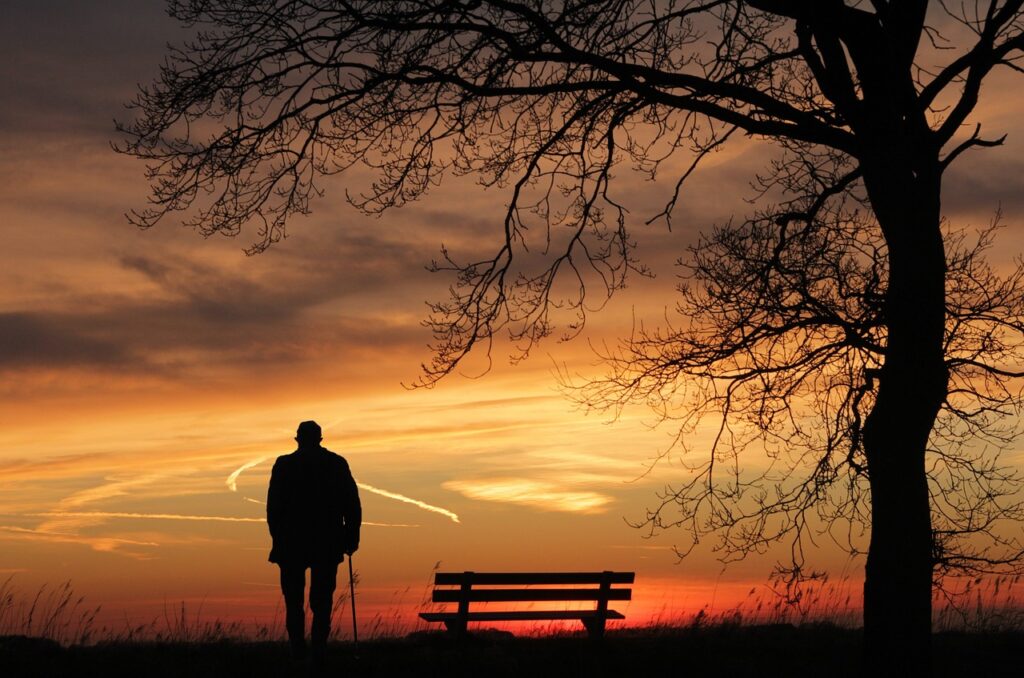
- Winter stroll along the Riva — Obala pape Ivana Pavla II, Hvar 21450. Price: free. Immersive description: few people, dramatic sunsets, cafes to warm up with a strong coffee (kava) and a local dessert.
Practical winter tips: always confirm which places are open (many restaurants close for the low season), book transport in advance if you have fixed connections (ferries), pack warm, waterproof clothing — the wind can be sharp — and enjoy the quiet as you explore monuments without summer crowds.
Year-Round Practical Tips: Accommodation, Transport, Safety and Budget
To get the most out of Hvar no matter the season, a few practical rules will help you plan and travel with confidence. Hvar Town is the best base for most visitors: close to restaurants, ferries and cultural sites. Useful addresses: Hvar Main Port (Riva) — Obala pape Ivana Pavla II, Hvar 21450; Tourist Board Hvar — Trg Sv. Stjepana 7, Hvar 21450 (confirm the exact address locally). In inland villages, guesthouses (rooms & apartments) offer an authentic stay.
Accommodation and budgets:
- 4* hotels in summer: average rates 120–250 € per night (July–August). Example: Amfora Hvar Grand Beach Resort (Ulica Nikole Tesle 7, Hvar 21450) — prices vary by season.
- Apartments and rooms: 50–120 € per night in high season, 30–70 € in low season. Tip: book early for July/August and choose places with air conditioning for summer stays.
- Hostels and budget options: 20–50 € per night (dorms and small rooms). Ideal for independent travelers off-season.
Transport:
- Ferries and catamarans: main operators like Jadrolinija run Split ↔ Hvar. Durations: 1h30–2h30 depending on service and route. Approximate fares: 10–25 € one-way. Tip: buy tickets in advance in high season via the operator’s site or ticket offices.
- Water taxis to the Pakleni Islands: departures from Hvar Riva (Obala pape Ivana Pavla II). Fares: 25–60 € depending on distance and negotiation. Tip: agree the return price and time before departure.
- Car/scooter rental: available in town, daily rates 25–70 € for a scooter, 40–120 € for a car depending on season. Tip: driving coastal roads requires caution and parking can be limited.
Safety and health:
- Hvar is generally safe; still, follow common-sense precautions: keep valuables close in busy areas and avoid isolated spots at night if you are alone.
- Pharmacies: the main pharmacy is usually near the port or the main square — ask the tourist office (Trg Sv. Stjepana 7) for the on-duty pharmacy. Hours: variable; on-call pharmacy 24h at times.
- Emergencies: Croatian emergency number 112; the nearest major hospital is on the mainland in Split for serious cases.
Indicative daily budget (excluding accommodation):
- Meals: 12–25 € for a main course in a konoba; tourist menus 20–40 €.
- Drinks: coffee 1–3 €, beer 3–6 €, cocktail 6–12 € at a bar.
- Excursions: Pakleni Islands 25–90 €, winery tour 20–60 €.
Booking and contacts: Many events and excursions require advance reservations in high season. The Hvar Tourist Office (Hvarska Turistička Zajednica), usually near the main square (Trg Sv. Stjepana), can provide up-to-date event listings and brochures. Always check official pages and social media for venues (Fortica, Hvar Summer Festival, Hvar Public Theatre) for times and last-minute changes.
Conclusion: Plan Your Trip by Season — Final Recommendations and Roadmap
Hvar is an island of many faces: festival-fueled and lively in summer, fragrant and fertile at harvest time in autumn, peaceful and authentic in winter, and full of promise in spring. Your experience will depend heavily on when you go. If you’re after nightlife, major cultural events and easy access to the Pakleni Islands, book for June–August and plan ahead for prices and crowds. If you prefer authenticity, food discovery or peaceful hikes, aim for April–May or September–October. For introspective stays and immersion in local traditions, winter offers calm and meaningful encounters with residents.
Before you go, make a short personalized checklist: 1) choose the season according to your priorities (beaches, festivals, harvest, calm); 2) book accommodation and transport (ferry/flights) at least 2–3 months ahead for summer; 3) pick 2–3 must-see spots (Fortica — Ulica Fortica, Katedrala Sv. Stjepana — Trg Sv. Stjepana 1, and a Pakleni Islands trip — departing from Obala pape Ivana Pavla II); 4) verify local events on official sites or with the tourist office; 5) plan a daily budget (meals, excursions, transfers) and carry some euros in cash for small stalls.
Finally, a few last-minute tips: taste local specialties (grilled fish, peka — the traditional bell-roasted dish, extra virgin olive oil and native wines), respect religious customs and service times when visiting churches, and leave time to wander the stone lanes at sunset. Hvar can be discovered with a tight schedule or without plans at all: let the sea, the scent of the maquis and conversations with locals guide your stay. Safe travels and enjoy every season — each one has its own treasure to offer.