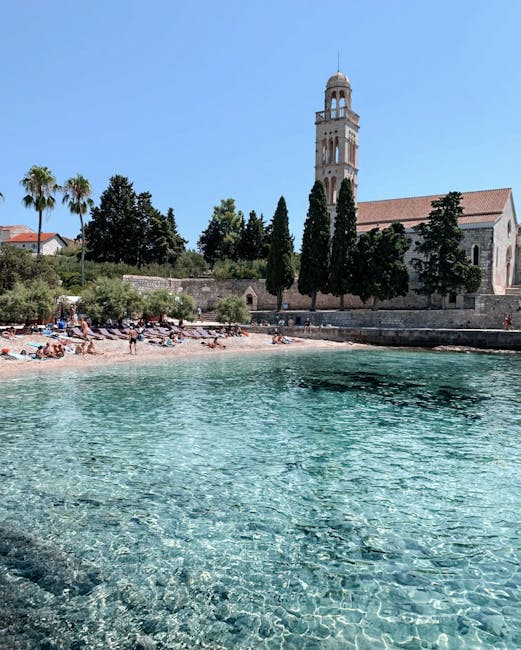



Introduction – Sustainable Hvar: How to Visit Without Feeding the Tourist Traps
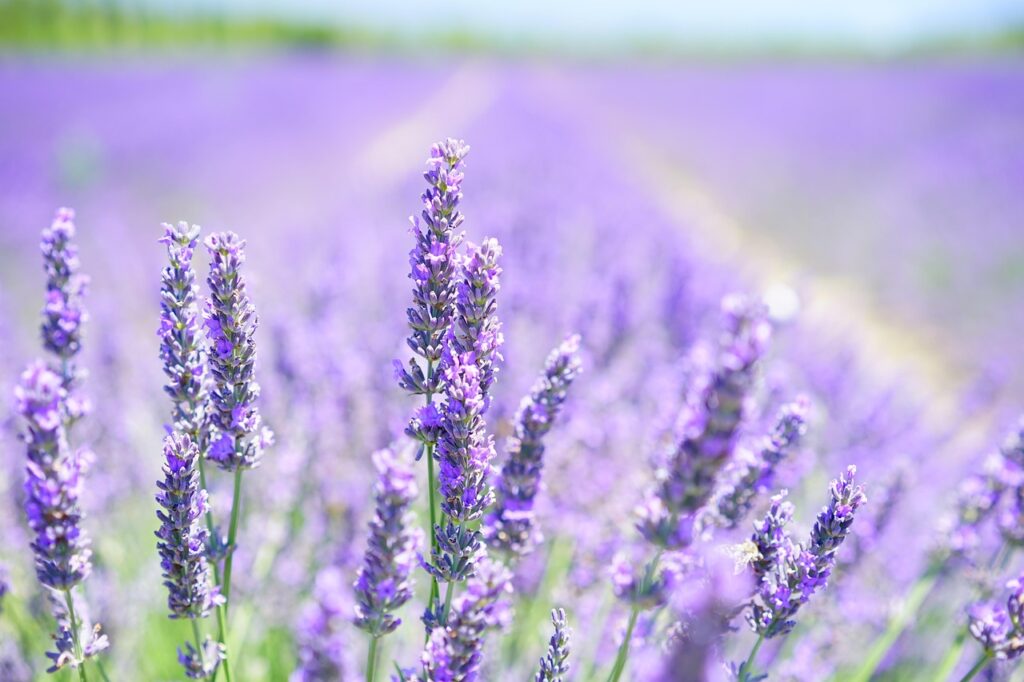
Hvar, a sun-drenched island in the Croatian Adriatic, is famous for its turquoise waters, lavender fields and medieval heritage. That charm draws large crowds every year, and the experience can quickly turn into long lines, inflated prices and cookie-cutter services. Visiting Hvar sustainably doesn’t mean missing out — it’s about making deliberate choices about where to spend your money, how to get around, where to eat and how to respect the locals and the environment. This guide gives you a practical, ethical approach to enjoying Hvar without fueling the main tourist traps.
Sustainability on Hvar takes several forms: environmental (cutting carbon footprint and plastic pollution), economic (supporting local initiatives instead of international chains) and social (respecting residents’ daily life and helping preserve traditions). In practice that means favoring public or gentle transport, choosing local restaurants and producers, avoiding mass excursions that damage coves, and visiting sites outside peak hours.
This guide offers concrete recommendations — exact addresses, prices in euros, typical opening hours and on-the-ground tips — to help you plan a responsible stay on Hvar. You’ll find how to explore Hvar Town and its highlights (Trg Svetog Stjepana, the Cathedral of St. Stephen, the Fortica/Španjola), discover Stari Grad and Jelsa away from the crowds, navigate to the Pakleni Islands respectfully, and support local farms and workshops. Every suggestion considers the impact on the local community and marine ecosystem, with practical alternatives to the most harmful tourist options.
Before we dive in, keep a few simple principles in mind: buy local (food, meals, crafts), avoid overpriced waterfront restaurants that cater to cruise passengers, refuse single-use plastics (bottles, straws), obey protected signs and trails, and plan visits outside the 11am–3pm rush when sites are busiest. By adopting these habits you’ll enjoy a more authentic, richer Hvar — and help preserve the island for future generations.
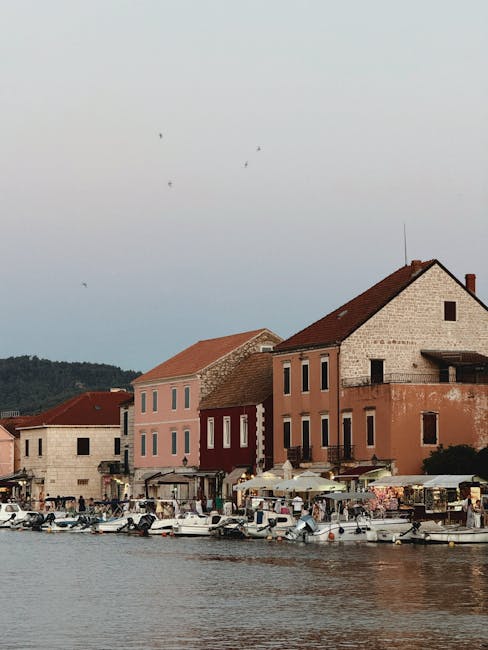
Explore Hvar Town Without Falling for the Traps: Routes, Addresses and Opening Times
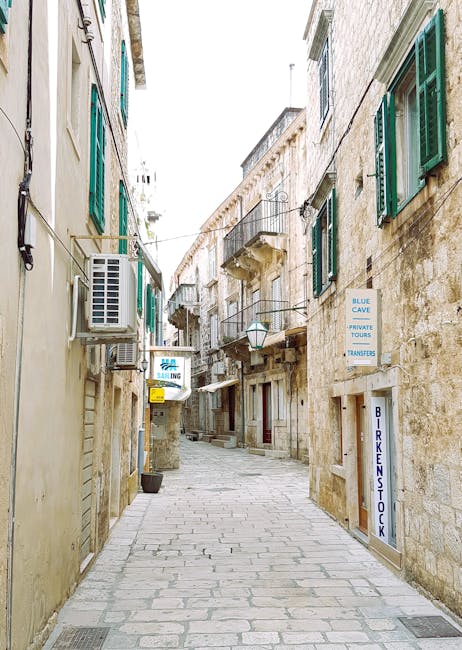
Hvar Town (21450 Hvar) is often the island’s main gateway. The historic core around Trg Svetog Stjepana (St. Stephen’s Square, Trg Svetog Stjepana, 21450 Hvar) is stunning but can be overrun between noon and 4pm. For a sustainable visit, start early (7am–10am): the light is beautiful and local shops serve an authentic boulevard-style coffee without the tourist rush.
Places to prioritize while respecting opening hours and the local economy:
- Cathdrala sv. Stjepana (Cathedral of St. Stephen) – Trg Svetog Stjepana 3, 21450 Hvar. Opening hours: 08:00–13:00 and 16:00–19:00 (varies in high season). Entry: voluntary donation or €1–€3 for maintenance. Tip: visit just before the morning mass to hear local chants and mingle with residents.
- Fortica (Španjola Fortress) – Ulica Fortica (path from Trg Svetog Stjepana), 21450 Hvar. Opening hours: 09:00–19:00 (high season), 09:00–16:00 (off season). Entry: around €4–€6. Description: a roughly 20-minute climb with panoramic views over the town and archipelago; take the southern trail to avoid tour groups and leave a quieter access for locals.
- Hvar Public Theatre (Hvarsko narodno kazalište) – Trg Svetog Stjepana 1, 21450 Hvar. Box office: open in the evenings depending on the program. Price: €5–€20 depending on the show. Tip: see a local performance rather than a tourist-oriented production.
- Local market (Ribarnica/Green Market) – near Obala Fabrike 1, 21450 Hvar. Opening hours: 07:00–12:00. Buy island-grown fruit, vegetables, cheese and olive oil; avoid over-packaged souvenirs.
Restaurants and cafés to support: avoid quay-side venues that pay high commissions to cruise operators. Prefer Konoba Meneghello (Ulica Križa 5, 21450 Hvar) for traditional Dalmatian dishes at €10–€18 for a main, or Fig Café Bar (Ulica Fabrika 4, 21450 Hvar) for breakfasts and coffee at €2–€6. Booking a table by phone or in person cuts out international platforms that profit from mass bookings.
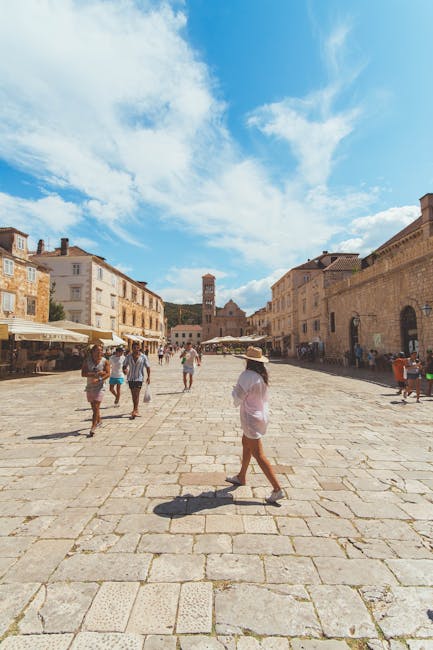
Visiting Stari Grad and Jelsa: Quieter, More Sustainable Alternatives
Stari Grad (21460 Stari Grad) and Jelsa (21465 Jelsa) offer a more peaceful, authentic experience than Hvar Town. Both towns keep strong agricultural traditions and a local life less disrupted by luxury tourism. To have a positive impact, choose family-run accommodation (rooms & apartments) and buy directly from producers.
Stari Grad: the ancient Pharos is a UNESCO-listed area and its harbor is perfect for morning walks. Must-dos:
- Stari Grad Plain (Starogradsko polje) – agricultural area around Stari Grad, main entrance via Trg Stjepana Radića, 21460 Stari Grad. Self-guided visits. Tip: rent a bike from Bicikli Rent Stari Grad (Ulica Rudina 12, 21460 Stari Grad) for about €6–€12/day and explore the vineyards and olive groves without a car.
- Museum of Stari Grad – Trg Stjepana Radića 1, 21460 Stari Grad. Opening hours: 09:00–16:00 (season). Entry: €3–€5. A great place to learn about the island’s rural history and support local conservation.
Jelsa: a port town with a lively but relaxed village life.
- Jelsa Market – Trg Sv. Marije 1, 21465 Jelsa. Opening hours: 07:00–12:00. Buy directly from vegetable growers and beekeepers. Prices: fruit/vegetables €1–€4/kg depending on season; artisanal honey €6–€12/jar.
- Praskvršje Beach and the east coast – accessible by footpaths from the center. Prefer areas not served by tourist boats to preserve the coves. Tip: bring a filtered water bottle instead of buying plastic bottles.
By staying in Stari Grad or Jelsa you support an economy that’s less dependent on high-season tourism, helping spread visitor flows and easing pressure on Hvar Town.
Pakleni Islands and Coves: Choosing Responsible Excursions
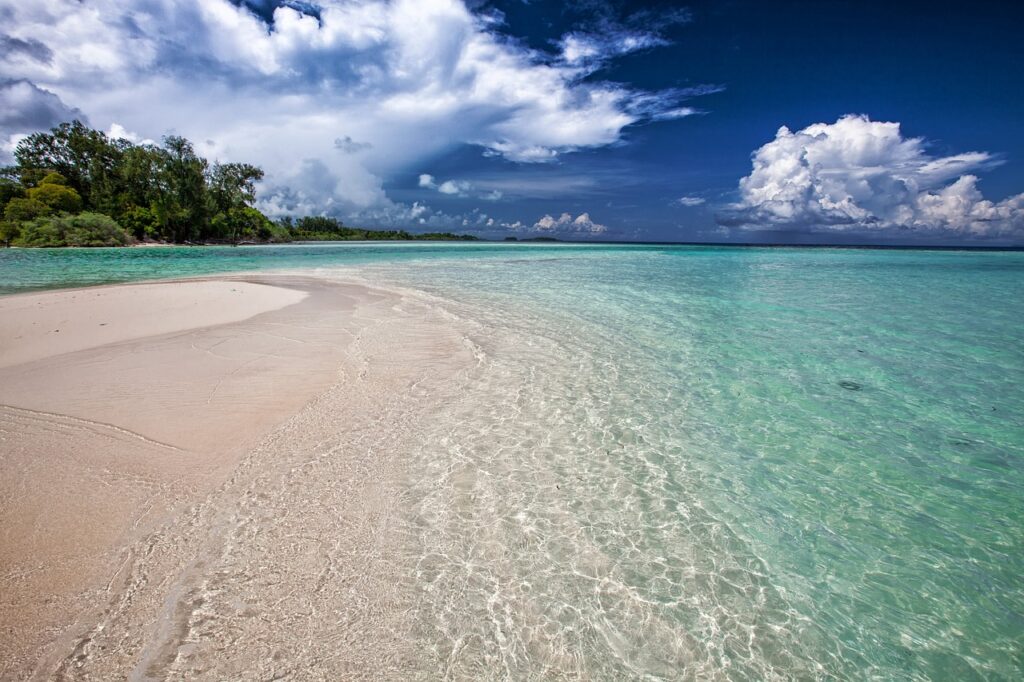
The Pakleni Islands (Pakleni otoci) are one of Hvar’s main draws, but mass excursions threaten marine ecosystems and beaches. To enjoy these islets without feeding the traps, pick options that limit visitors per cove and respect marine life.
How to get there sustainably:
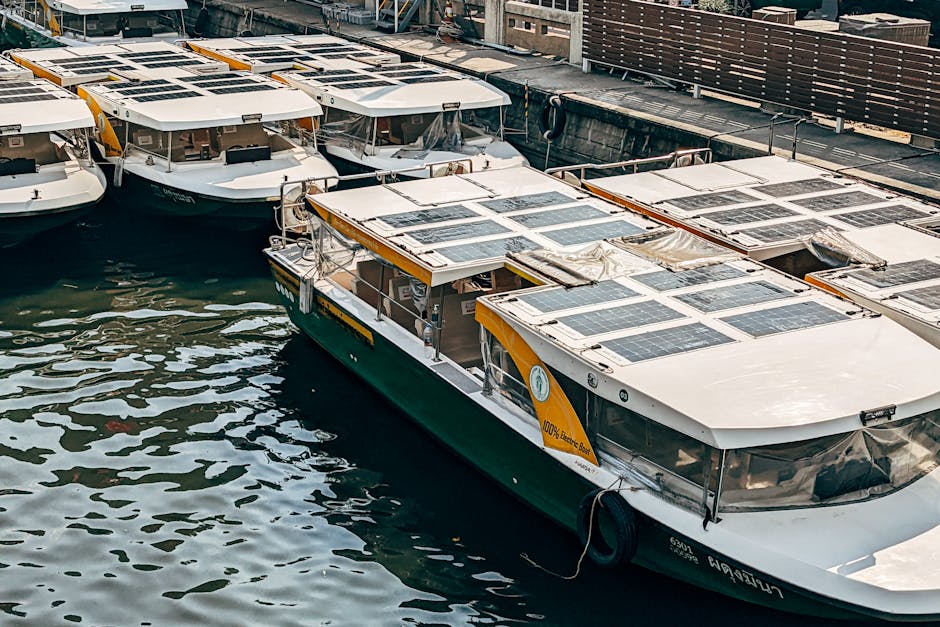
- Local water taxis – departures from Hvar Ferry Port (Obala Fabrike 1, 21450 Hvar). Price: typically €10–€25 per person for a 10–20 minute crossing, depending on destination and negotiation. Hours: continuous service in high season 08:00–20:00; book the day before directly at the quay to avoid large operators.
- Small-group tours – several local operators run trips limited to 8–12 passengers, €40–€60/person for a half-day, sometimes including a simple lunch. Benefit: less impact on coves and better conversations with the skipper about ecology.
- Private boat rental (skippered-excluded) – local agencies in Hvar Town, prices €40–€120/day for a small boat depending on season. Conditions: license required; ideal if you have experience and want to control your route to avoid fragile areas.
On site: avoid marked marine protected zones and do not anchor on seagrass meadows (posidonia), which are vital for the ecosystem; these areas are often marked by buoys or local charts. Do not use chemical sunscreens in sensitive coves; choose reef-safe products or swim without lotion. Take your trash with you and use central bins in Hvar Town rather than leaving anything on the beaches.
Buying Local: Markets, Wineries, Olive Oil and Artisan Workshops
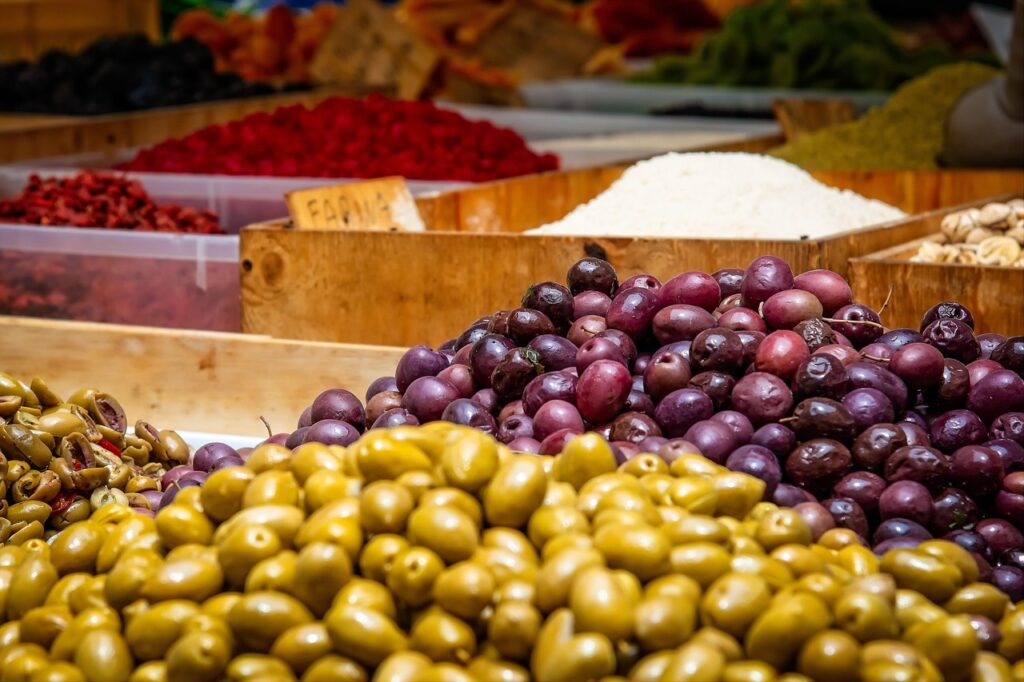
Supporting Hvar’s sustainable economy means buying directly from local producers. The island has a long agricultural tradition — wines, olive oil, honey, lavender — and skilled artisans. Buying from them cuts out middlemen, brings more authenticity and has a direct economic benefit for resident families.
Addresses and practical tips:
- Hvar Market (Green Market) – near Obala Fabrike 1, 21450 Hvar. Opening hours: 07:00–12:00. Products: goat cheese €8–€15/kg, seasonal vegetables €1–€4/kg, artisan olive oil €8–€18/l. Tip: ask for a paper bag or bring a reusable tote.
- Recommended winemaker – Vinarija Duboković (local example) – visits & tastings by appointment, general location: Stari Grad area, 21460 Stari Grad. Tasting: €10–€20/person, including 3–5 wines and local antipasti. Buying directly reduces footprint and guarantees traceability.
- Distilleries and lavender – lavender workshops around Hvar Town and Stari Grad. Price for a small bouquet: €3–€8. Guided visits: €5–€12 depending on the producer. Buy untreated products packaged locally.
- Artisans and workshops – potters, woodworkers and jewelry makers are tucked in the side streets of Hvar Town and Jelsa. Examples: a ceramics studio on Ulica Križa (address varies); prices: handcrafted souvenirs €10–€60.
Common-sense tips: haggle respectfully if a price seems high, but remember small producers often operate on tight margins. Avoid plastic trinkets made abroad; choose a signed bottle of olive oil, a locally woven basket or a bottle of wine from the producer as a lasting, useful souvenir.
Conclusion – Traveling Sustainably in Hvar: Concrete Actions and Personal Commitment
Hvar balances on a fragile line between natural beauty, historical heritage and island life. Traveling sustainably here requires conscious choices: favor off-peak hours, support the local economy, reduce plastic use, respect protected zones and opt for gentle or collective transport. These actions have a direct effect: easing pressure on infrastructure, helping redistribute income and protecting marine and terrestrial ecosystems.
Before you go, put these simple but powerful recommendations into practice: book independent accommodation and restaurants, buy at the market, use local water taxis, avoid mass excursions and learn the local rules for anchoring and swimming. On Hvar, every euro spent locally supports a family, a producer or an artisan. That turns your trip into a positive contribution rather than mere tourist consumption.
Ultimately, sustainable Hvar is an attitude: slow down, observe, ask, and buy from those who live and work on the island. You’ll leave with memorable sights and tastes, and the satisfaction of helping preserve these landscapes and communities. Respect signs, back local initiatives, and share these practices with other travelers — that’s how Hvar will stay authentic and vibrant for generations to come.