

Introduction — Free and Donation-Based Museums & Heritage Sites in Hvar: a practical, immersive guide
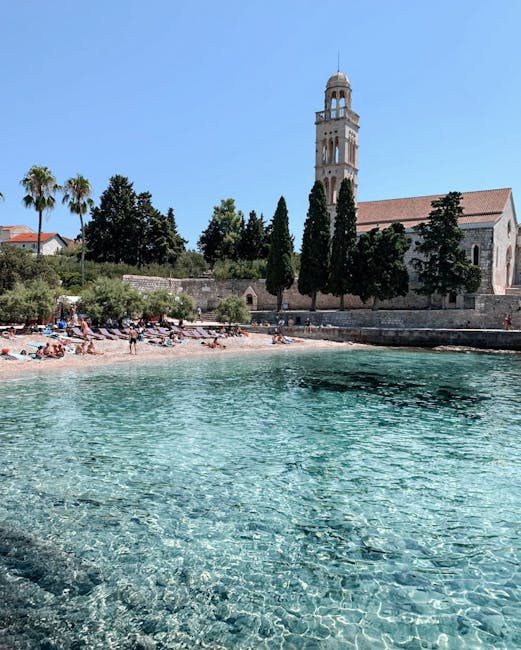
Hvar, that Adriatic gem on the Dalmatian coast, draws travelers and history lovers year after year with near-constant sunshine, stone alleys and a rich Venetian past. Beyond the beaches and lively bars, Hvar hides a number of lesser-known cultural spots: museums, church treasuries, cloisters and small interpretation centers that operate with free access or rely on voluntary contributions (donation-based entry). This guide focuses on those places where no mandatory ticket is required or where a suggested donation is requested, giving addresses, typical opening hours, approximate prices in euros when available, sensory descriptions and local tips to get the most out of each visit.
Exploring Hvar outside the paid circuits offers a more human, often more authentic experience: you might meet a volunteer curator in a monk’s cell, leaf through heritage registers in a reading room, or look out over the town from fortress battlements where only a coin is asked for upkeep. Donations usually go toward fresco conservation, archive restoration and the maintenance of historic gardens — so even a small gesture helps preserve these treasures for future generations.
This guide lists the main spots in Hvar Town and its immediate surroundings that offer free access or operate on donation: the Španjola Fortress (Fortica), the Arsenal and Hvar Gallery, the Treasure of St. Stephen’s Cathedral (Katedrala Sv. Stjepana), the Franciscan Monastery (Samostan franjevaca) and its museum, as well as heritage gardens and walks. For each site I give the exact address, usual hours (check seasonally), suggested donation amounts in euros where applicable, and immersive descriptions to help you prepare your visit.
A few practical tips before you go: visit early morning or late afternoon to avoid the midday heat and to enjoy the soft light on the blonde stone; carry small euro notes and coins (1–5 €) for spontaneous donations; respect dress codes in places of worship (modest attire); and ask staff on site about temporary exhibitions that may not be advertised — often they’re accessible for a small donation. Follow the dedicated sections to plan routes and photo moments, and discover where to donate, why it matters and how to prolong your immersion in Hvar’s history.
Španjola Fortress (Fortica) — Hvar Fortress: panorama, history and donation-based access
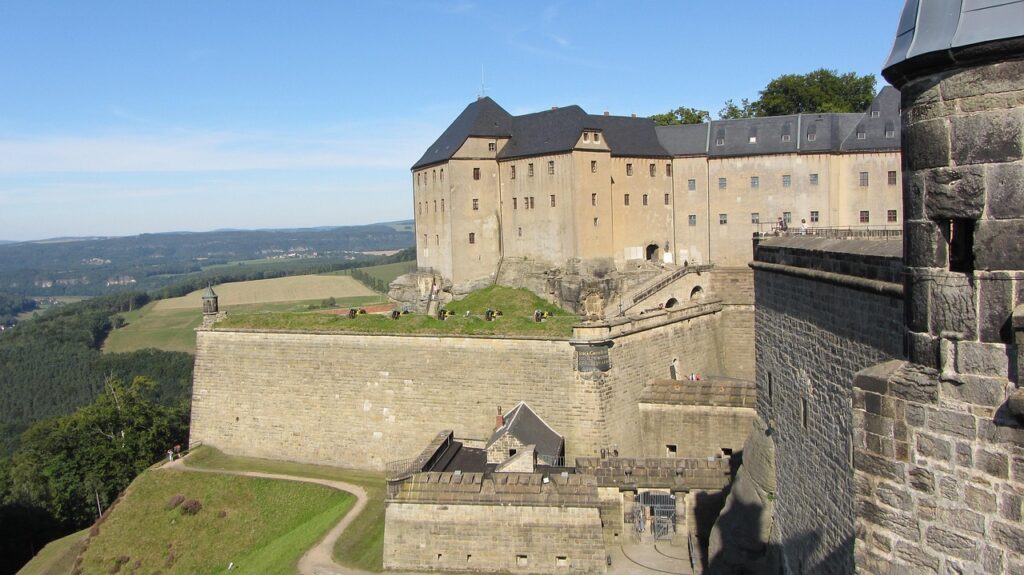
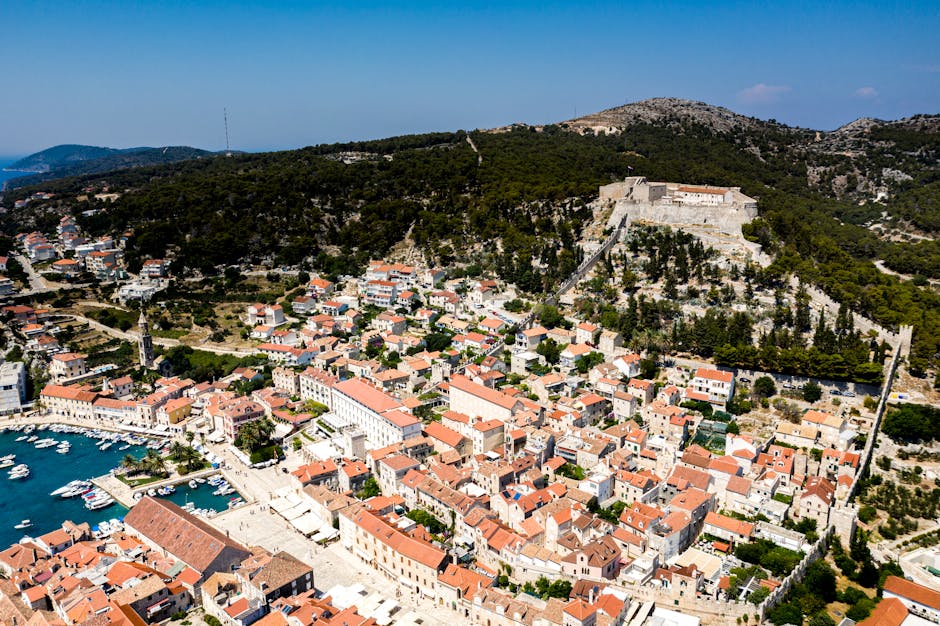
The Španjola Fortress, known locally as Fortica, stands sentinel above Hvar, about 400 meters above the old town. Address: Fortica (Španjola), Hvarska Ulica, Hvar 21450, Croatia. You reach it on foot from St. Stephen’s Square (Trg sv. Stjepana) following a paved trail that winds through Mediterranean scrub — the climb takes 20 to 40 minutes depending on your pace. Up top you’ll find bastioned remains, 15th–16th century walls and sweeping views over the bay, the Pakleni Islands and the red-tiled roofs.
Typical hours: April to October, 08:00–19:30; November to March, outdoor areas usually open but services limited (09:00–16:00 for ticketing or information). Price: exterior access is often free; it’s customary to leave a voluntary donation at the entrance or information point to support conservation — suggested amounts: 1–5 € per person. In some seasons a small ticket booth may charge 2–3 € for full access to restored rooms and temporary exhibitions.
Immersive description: after a climb scented with lavender and pine, you enter a quiet space where wind plays with dry grasses and stone once cannon-battered. Wide embrasures frame the horizon, offering perfect compositions for photos. At the summit, interpretive panels explain the island’s Venetian and Ottoman history; occasionally local volunteers in period dress lead short demonstrations and share vivid stories — a great chance to hear anecdotes about sieges and defensive strategies.
Local tips: bring water, wear good shoes and a hat in summer; time your visit for sunrise or sunset for golden light; show support with a small donation if you can — it helps pay for cleaning, guides and site security.
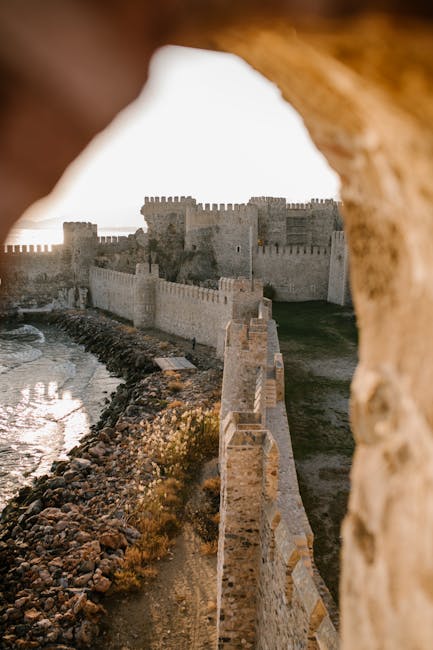
Arsenal of Hvar & Hvar Gallery (Arsenal Hall and Hvar Gallery) — maritime heritage and local arts
The Arsenal, sitting right on Hvar’s harbor, is both a historic building and a lively cultural hub. Address: Arsenal (Hvarski Arsenal), Don Frana Bulića 1, 21450 Hvar, Croatia. The vast southern hall, built in the 16th century, once served the shipyards and today hosts exhibitions, concerts and the Hvar Gallery (Galerija Hvarska). Access to certain events is free or donation-based, especially contemporary art shows and chamber music concerts in the evenings.
Usual hours: gallery and exhibition hall generally open daily in high season (May–October) from 10:00–13:00 and 17:00–20:00; off-season hours are reduced and depend on the exhibitions. Price: access to permanent displays is often free; temporary exhibitions or concerts may ask for 3–10 €; many events operate on a donation basis to support local artists.
Immersive description: stepping into the Arsenal you’re struck by the proportions and acoustic character of the great nave; the beams and old stone recall the days of careening galleys. Exhibits mix maritime archives (charts, navigational instruments), archival photographs and contemporary works inspired by the sea. On summer evenings the harbor light filters between columns and the hall becomes a music venue, where a small donation usually secures a seat. Volunteers at the welcome desk are happy to explain the program.
Local tips: check the cultural calendar posted on the door or the Hvar tourist office website; arrive early for free concerts to grab a good spot; if you’re an artist or musician, ask about programming opportunities — many spaces support local talent through exchanges and donations.
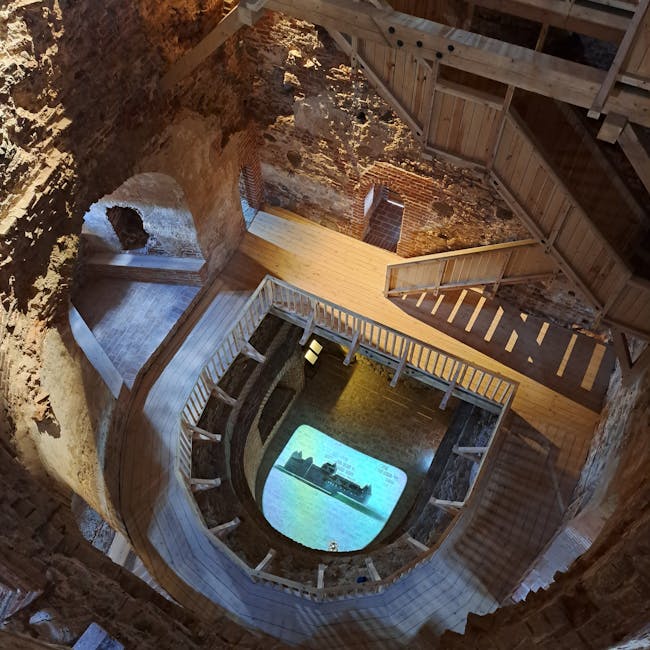
Franciscan Monastery of Hvar and the Convent Museum — spiritual calm and sacred treasures
The Franciscan monastery, known as Samostan i crkva sv. Ivana ili Svetog Franje depending on the dedication, houses a small collection of sacred objects and historical archives often accessible for free or for a voluntary donation. Address: Franjevački Samostan Hvar, Ulica Svetog Ivana 2, 21450 Hvar, Croatia (located in the old town, a short walk from the cathedral). The cloister and the convent museum are places of contemplation and study, valuable for anyone interested in manuscripts, religious silverwork and 17th-century paintings.
Hours: usually open to the public 09:00–12:00 and 16:00–18:00 in high season; more restricted hours off-season. Price: entry is often free but a recommended donation of 1–5 € helps preserve the archives and cloister garden. Some precious items may be shown only by appointment with the curator.
Immersive description: the cloister breathes serenity: worn stone, shaded arcades and a central Mediterranean garden. The museum reveals finely chased silver reliquaries, codices, parish registers and paintings of saints and biblical scenes, usually labeled in English and Croatian. The friars and volunteers at the desk welcome visitors warmly; they enjoy telling the stories of plague records, captains’ weddings and family bequests that enriched the collection.
Local tips: respect silence and modest dress if you enter active parts of the convent; ask permission before photographing delicate relics; if you have old documents (family photos, mementos), staff may sometimes help with archiving or digitization.
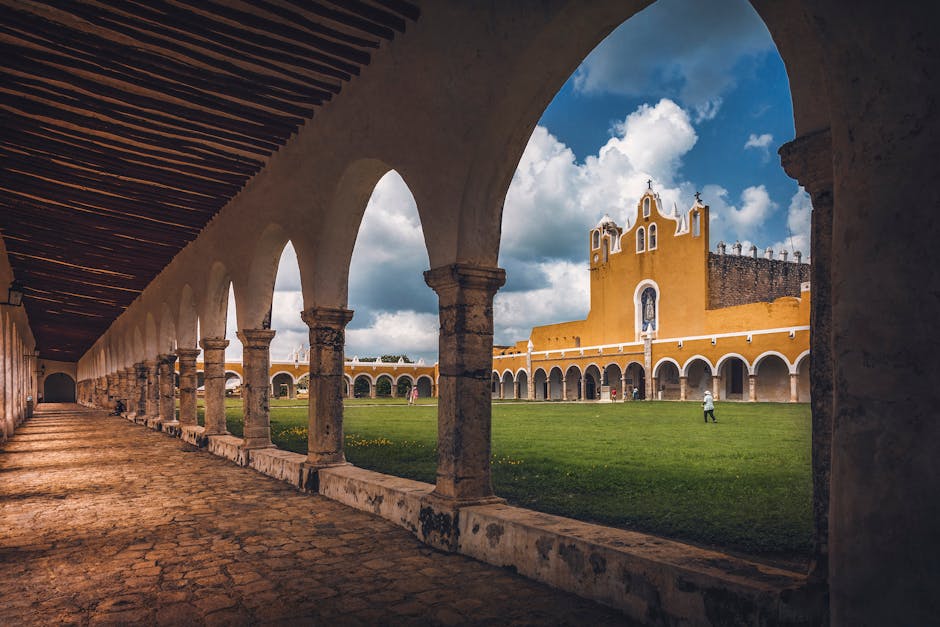
Treasure of St. Stephen’s Cathedral and St. Stephen’s Church — religious art and donation-friendly access
St. Stephen’s Cathedral (Katedrala Sv. Stjepana) overlooks Hvar’s main square and houses a treasury of silverwork, liturgical textiles and paintings. Address: Katedrala Sv. Stjepana, Trg Svetog Stjepana 3, 21450 Hvar, Croatia. Entry to the cathedral itself is generally free; the small museum space or treasury, when open, sometimes asks for a voluntary donation to care for the objects and restore altarpieces.
Hours: religious services and tourist visits coexist — you can visit outside of service times. In season: 08:00–12:00 and 17:00–19:30; off-season hours vary. Recommended donation: €0.50–3 to support conservation. Volunteers and parish staff are often available to explain the significance of pieces like Baroque chasses and works by local masters.
Immersive description: the nave carries scents of incense and wax; light through stained glass softens the gilded retables. Information panels tell the stories of patron saints, confraternities and the history of restorations. Beyond the objects, the view from the square toward the lanes and historic cafés makes this a moment that is both spiritual and social.
Local tips: avoid service times if you want to explore quietly; take the chance to pause at a café on the square afterward and admire the façades and occasional artisan stall.
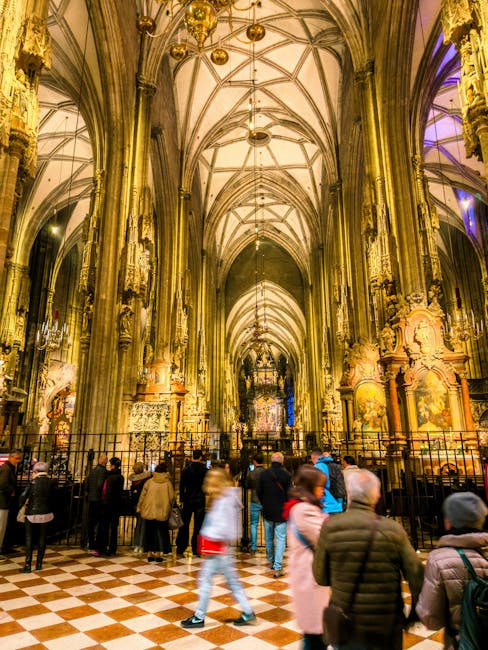
Conclusion — Giving to preserve: thoughts and practical recommendations
Visiting Hvar by favoring free or donation-based museums and heritage sites offers a sustainable, community-minded approach to cultural tourism. Every euro given here has a tangible impact: stone and roof maintenance, painting and silverwork restoration, printing and translating interpretive panels, occasional pay for local guides and funding educational activities for children. The sites described — Fortica (Španjola), the Arsenal and Hvar Gallery, the Franciscan Monastery and its museum, and the Treasure of St. Stephen’s Cathedral — embody the best of Hvar’s history and spirit, and most operate thanks to volunteers and small teams.
Recommended practices: always carry small euro denominations (€0.50, €1, €2, €5); ask questions to volunteer guides to enrich your visit; respect religious and heritage codes; photograph sparingly when permitted; prefer early-morning or late-afternoon visits for the best light and fewer crowds. If you care about conservation, inquire about sponsorship programs: some institutions offer partnerships to fund a restoration or a display — a lasting way to make a meaningful contribution.
Hvar isn’t just a place to laze away: it’s an island that tells centuries of maritime, religious and artistic stories. By exploring its free or donation-based museums and heritage sites, you take part in preserving that collective memory. Whether you’re in a hurry or savoring every moment, these places will offer meetings, views and emotions often missing from paid tourist circuits. Take your time, respect the sites and, if you can, contribute — even modestly — so Hvar can keep shining, stone by stone.