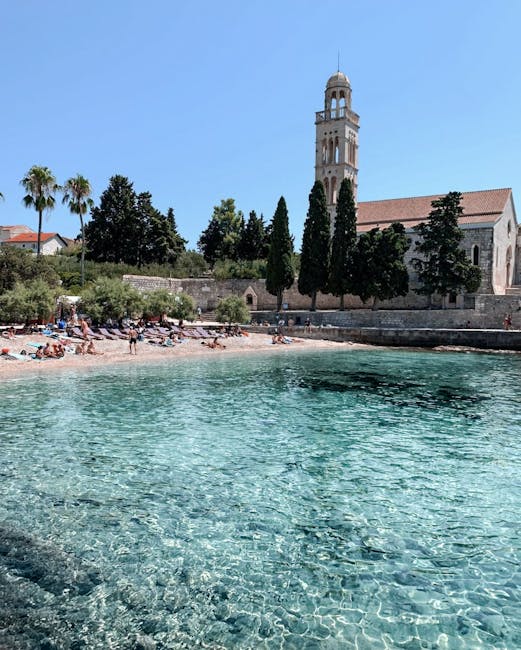



Introduction — Why this guide to the traps to avoid in Hvar during high season
Hvar is one of the Adriatic’s most famous islands: crystal-clear waters, lavender fields, stone villages and a buzzing nightlife. Every summer, the small town of Hvar and its surroundings fill up with visitors looking for sun, beaches and high-end restaurants. But high season—especially July and August—brings its share of pitfalls for the unprepared traveler: endless queues, inflated prices, boat rental scams, overcrowded spots and complicated transport. This detailed guide helps you anticipate and avoid the most common mistakes, giving exact addresses, opening times, price ranges in euros and concrete local tips.
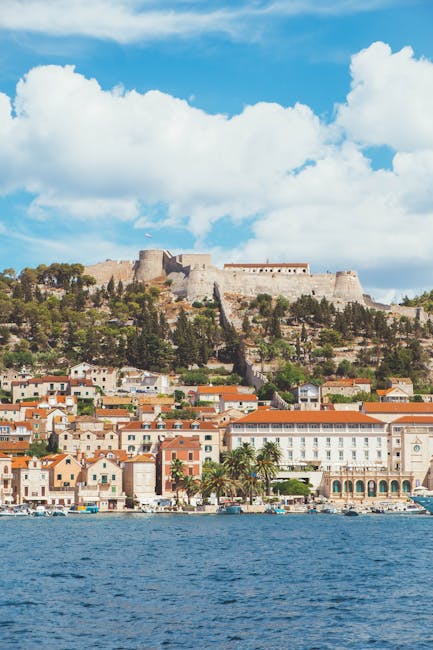
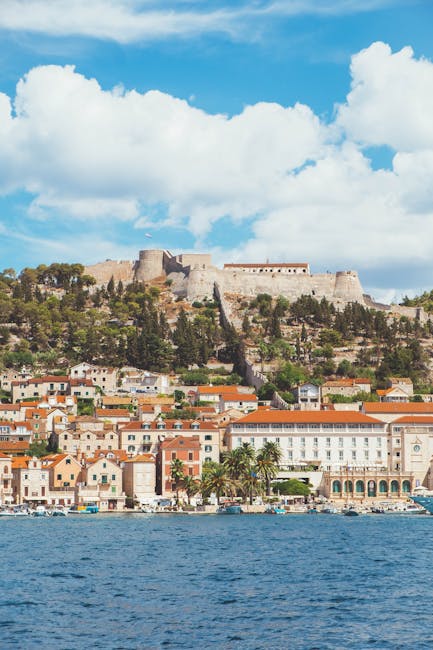
The aim isn’t to discourage you from visiting Hvar—in fact, quite the opposite. It’s to help you enjoy the island with your eyes open. Hvar Town is small but extremely popular—the historic old town, the marina, the Riva cafes and the Fortica (Španjola) fortress concentrate most tourists. Add to that the Pakleni Islands (Pakleni otoci), the busy port, and spots like St. Stephen’s Square (Trg Svetog Stjepana) or the historic theatre (Hvarsko kazalište), which may seem harmless but hide practical headaches: waiting times, boat taxi queues, unclear menus and opaque reservation policies.
This guide assumes you arrive in the middle of high season and need to optimize your time, budget and safety. You’ll find immersive descriptions of the places: the scent of salt and jasmine by the harbor, the rattle of scooters in the cobbled lanes, the heat on a midday terrace. You’ll get practical details: full addresses (for GPS), typical opening hours, indicative prices in euros (tickets, entry fees, drinks), and, above all, precise warnings about scams or situations to avoid. The tips also include lesser-known alternatives—less crowded beaches, off-peak times to visit sites, and contacts you can use to make reservations.
Finally, the guide offers a set of local recommendations: how to negotiate a boat rental at Hvar Harbor without getting ripped off, the quietest times to climb to Fortica (Španjola), bars where the bill can surprise you and how to read a Croatian menu to spot extra charges. Whether you’re traveling solo, as a couple or in a group, these tips aim to protect your budget, your calm and the quality of your stay on the island.
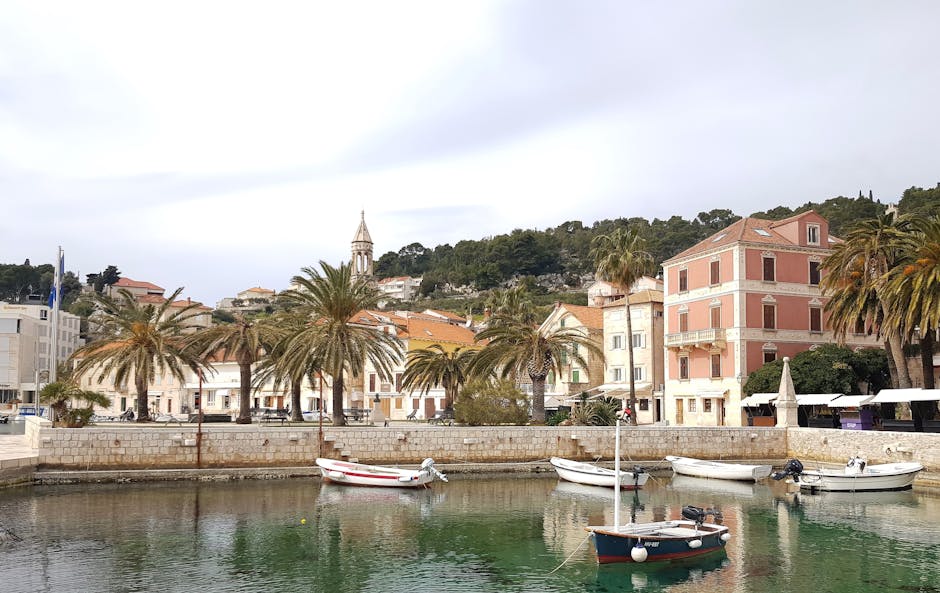
Trap 1: Transport confusion — ferries, fast catamarans and water taxis
Getting to and around Hvar in high season can feel like a game of logistical Tetris. Regular ferries, fast catamarans (Jadrolinija, Krilo) and private water taxis all handle the flow of visitors. The first trap is assuming “everything is available”: in July–August, sailings often sell out, lines form early and prices fluctuate with demand.
Hvar Town doesn’t have a large international port; the most used area is the Riva (Riva Petra Hektorovića, Hvar 21450). If you arrive by ferry from Stari Grad or Split, know that:
- Jadrolinija / Krilo Split–Hvar catamaran: frequent departures, about 1 hour. Indicative price: €20–32 one-way depending on season and ticket type. Timetable: roughly 06:30–20:30 (varies with season). Book ahead online at krilo.hr or jadrolinija.hr to avoid standing or missing a departure.
- Car ferry Split–Stari Grad (then a 20–30 min bus to Hvar Town): vehicle + passengers ≈ €60–90 depending on size. Schedules vary; ticket offices open early at Split port (Trajektna luka Split).
- Private water taxi from Split: departures from Marina Bačvice, prices €120–300 depending on boat size and number of passengers (high season).
Errors to avoid and tips so you don’t get stuck:
- Don’t skip booking ahead: many catamarans sell out days in advance for popular slots. Book online at least 48–72 hours ahead if you travel on a Saturday.
- Factor in port–town transfers: if your ferry lands at Stari Grad (Stari Grad, 21460), count on 20–30 min by bus or €25–40 by taxi to Hvar Town. Local taxi fares don’t always match posted prices—negotiate or ask the driver to use the meter.
- Don’t hop on any water taxi without checking reputation: some skippers add “landing fees” or “night surcharges.” Ask for a fixed price before boarding. Official water taxi: Hvar Water Taxi (contact via Hvar Town harbor office, Riva Petra Hektorovića, Hvar 21450).
- Don’t rely on night buses: after midnight, services can be scarce—plan your return or book an organized taxi.
Sample timetables and fares: Jadrolinija / Krilo Split–Hvar catamaran departures at 07:00, 09:30, 12:00, 15:00, 18:00; fares €20–32. Ferry Split–Stari Grad: hourly departures, passenger fares ≈ €8–12 (car extra). Hvar Water Taxi: indicative rates €25–120 depending on distance (Hvar–Pakleni Islands €25–40 per trip). Expect prices to rise on party nights or public holidays.
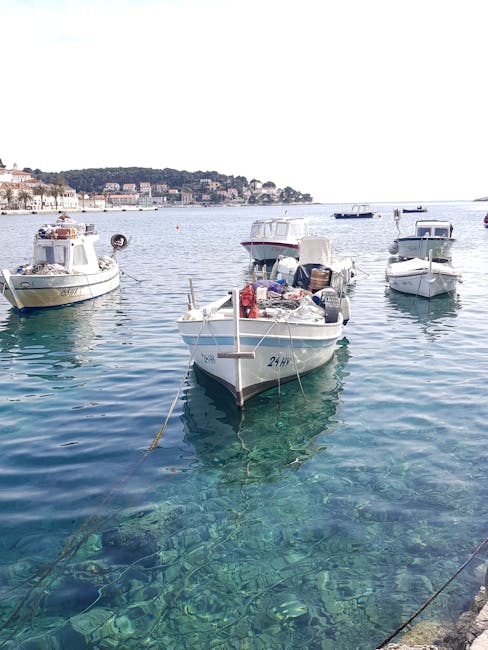
Trap 2: Boat rentals and hidden surcharges
Renting a boat to explore the Pakleni Islands feels liberating—but in high season it’s also a minefield for unpleasant surprises. Many visitors think a verbal agreement is enough; without a documented inventory and a clear contract you may end up paying for repairs, overpriced fuel or unexplained “administrative” fees.
Common addresses and departure points:
- Hvar Boat Charter, Hvar Marina — Riva Petra Hektorovića 12, Hvar 21450. Phone: +385 (0)21 728 000. Prices: small no-license boats ≈ €70–120/day; 6–8 m boats requiring a license ≈ €150–350/day. Office hours: 08:00–20:00 in high season.
- Pakleni Island Transfers & Rentals — Operates from Hvar Harbor (Riva Petra Hektorovića). Hvar–Palmižana water taxi ≈ €25–40 one-way; jet-ski rentals ≈ €80–150/hour.
Precise tips to avoid traps:
- Read the contract thoroughly: check the fuel policy (full-to-full), damage excess, security deposit and cancellation terms. Insist on a signed copy with the insurer’s contact details.
- Inspect the boat before departure: take dated photos of the hull, engine and instruments. Add them to the contract or email them to the rental company in the presence of a witness.
- Check fuel and consumption: a powerful engine can use 40–100 liters/hour; ask for a cost estimate (around €2.0–2.5/liter in high season) and note the exact fuel level at departure.
- Choose rated rental companies: prefer agencies with verifiable reviews (Google Reviews, TripAdvisor) and visible offices on the Riva. Offshore or informal renters offer lower prices but no guarantees.
- Don’t pay everything in cash: keep a bank record of your deposit and payment. Electronic proof is far more useful in disputes.
A common real case: the renter who charges for “superficial scratches” after you return. If you have departure and return photos, disputing that charge is much harder. Another mistake: assuming “skipper included” always means full service—check the hours and whether food/drinks are covered.
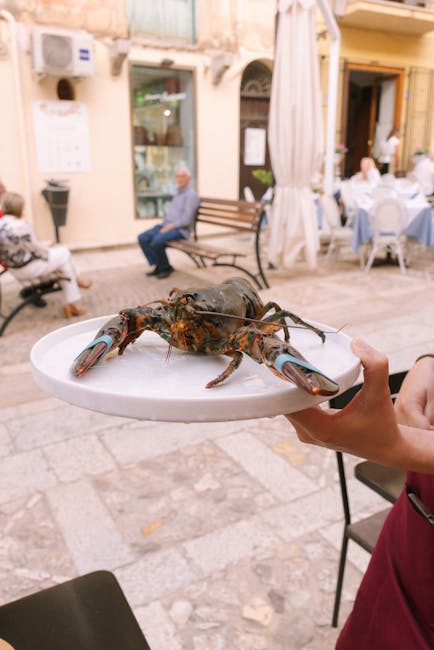
Trap 3: Tourist restaurants and surprise bills
Hvar’s food scene is rich: grilled fish, peka (meat or seafood cooked under a bell), local olives and Dalmatian wines. But high season attracts eateries that overcharge or add opaque surcharges—“cover,” service not included, or prices that differ from what’s displayed. Here’s how to avoid walking away with a sticker shock after dining on the Riva or at a popular terrace.
Some places and useful info to orient yourself:
- Konoba Menego — Ulica Fabrike 7, Hvar 21450. Hours: 12:00–23:00. Prices: mains €12–26; grilled fish €18–35. Traditional Dalmatian menu, generous portions. Reservation recommended in high season.
- Giaxa by Arnerić — Trg Sv. Stjepana 10 (Trg Svetog Stjepana), Hvar 21450. Hours: 11:00–23:00. Prices: starters €6–12, mains €15–28. Gastronomic menu with a terrace on the square. Note: bills can sometimes include a €1–3/person “cover” if not specified.
- Villa Dalmacija Restaurant (hotel restaurants) — Obala Hvar 1, Hvar 21450. Hours: 07:00–23:00. Prices: breakfast buffet €12–18; dinner €18–40.
How not to be surprised:
- Ask for the full menu before ordering: check prices, extras (bread, olives, cover) and service charges. In Croatia service isn’t always included; if it is, tipping is appreciated but not mandatory.
- Avoid the most visible, ultra-instagrammable terraces: being right on the port or square can inflate prices by 30–50% compared to nearby side streets. Look for konobas in secondary lanes for fairer prices and more authentic portions.
- Be wary of poorly translated English menus: portions or sides are sometimes omitted. Ask whether fish comes with sauce, potatoes or salad, or if those are extra.
- Never leave a receipt unread: check the bill before paying. If a clear error appears, ask for an itemized breakdown and keep a photo of the receipt.
Concrete examples: a “grilled fish” listed at €24 might have a server add a €3–5 charge for dressing/side salad. Tourist restaurants may also tack on a “central terrace” surcharge of €2–4 per person. If you’re dining in a group, request a deposit or a clear split of the check to avoid misunderstandings.
Trap 4: Crowds at Fortica (Španjola) and the best times to visit
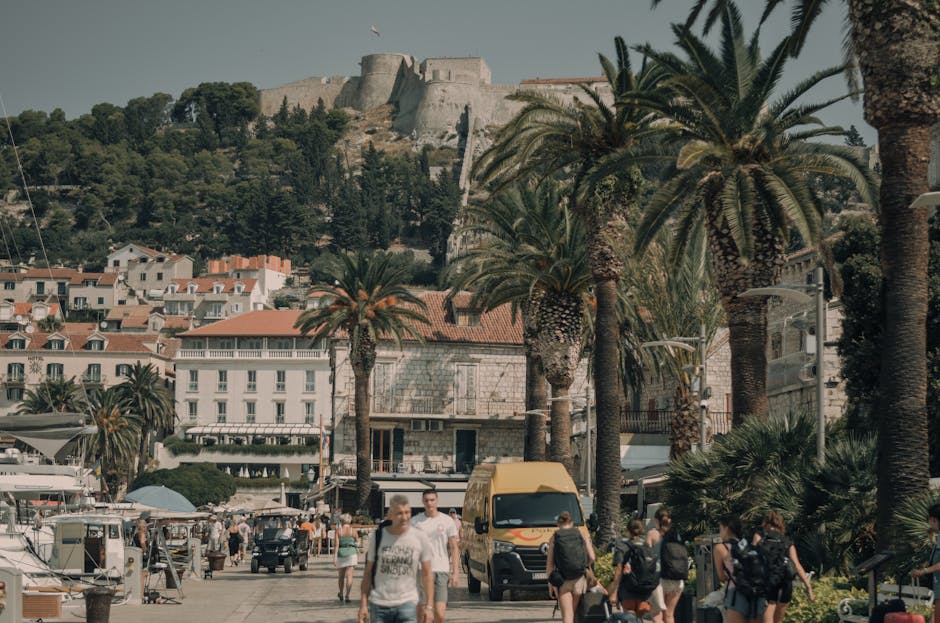
The Fortica fortress (also called Španjola) overlooks Hvar Town and offers spectacular views of the town, marina and the Pakleni Islands. It’s a must-see, but in high season the queue to climb, the heat and the lack of shade can make the visit exhausting. Here’s how to enjoy it without the stress.
Practical info:
- Fortica (Španjola) — Ulica Fortica, Hvar 21450. High season hours: usually 09:00–20:00 (subject to weather and events). Entrance fee: €6–8 approximately.
- Access: uphill walk from Trg Svetog Stjepana — allow 15–30 minutes depending on pace and heat. Path can be paved and steep; closed shoes recommended.
Traps to avoid:
- Climbing in the heat with no water or sun protection: the ascent can be steep, exposed and without refreshment points. Bring at least 1.5–2 liters of water per person, a hat and sunscreen.
- Visiting at peak hours: between 11:00 and 16:00 the site is packed. For photos, aim for an early visit (07:30–09:30) or late afternoon (17:30–19:30).
- Ignoring the small museums and info panels: the fortress includes panels on Napoleonic and Venetian history—take a moment to read them to better appreciate the panorama.
- Relying only on local taxis to get up there: some drivers offer 4×4 rides for a steep price (€20–40). Walking saves money and is often more pleasant.
Practical tip: plan a combined sunset visit if you want a romantic panorama, but be aware that access may be restricted for private events (concerts, previews). Summer hours vary, so check the information board at the trailhead or consult the tourist office on the Riva (Tourist Board Hvar, Trg Svetog Stjepana, Hvar 21450) for updates.
Trap 5: Overcrowded “popular” beaches — alternatives and quiet times
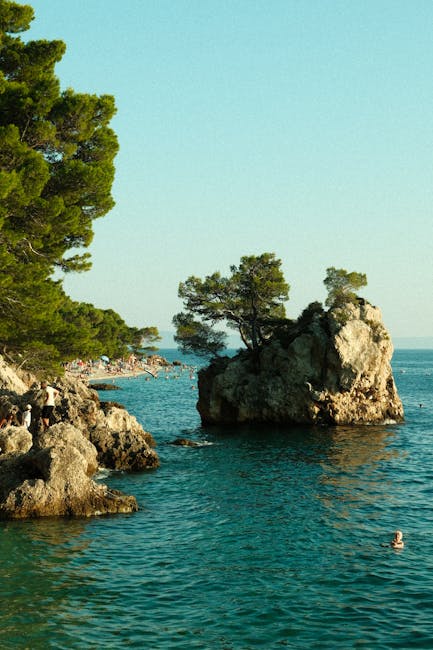
The best-known beaches draw dense crowds. Pokonji Dol Beach and areas around the Riva are often full of paid sunbeds and motorized activity. Paying €15–30 for a sunbed and umbrella is common in July–August, and finding a free spot can turn into a frustrating hunt.
Examples and typical prices:
- Pokonji Dol Beach — Obala Petra Hektorovića, Hvar 21450. Sunbed + umbrella: €15–30/day. Very close to town, convenient but noisy.
- Carpe Diem Beach — Carpe Diem Beach Club, Carpe Diem Steps, Hvar Port area. Entry varies by event: free–€30; sunbeds and VIP zones €20–60 depending on beach and DJ set. Hours: afternoons into late night during beach parties.
- Pakleni Islands — Palmižana Bay (Sveti Klement, Pakleni Islands): anchoring free in some coves; organized Palmižana Beach (Palmizana Port): sunbed + umbrella €20–35.
Alternatives and tips:
- Visit early morning or late afternoon: most visitors arrive between 11:00 and 16:00. A morning swim at 07:00–09:30 guarantees clear water and peace.
- Explore less accessible coves: spots like Dubovica Beach (Dubovica, Ulica Dubovica, Hvar 21450) offer a quieter setting; access requires a 10–15 minute walk and the beach is pebbly—bring proper shoes. Sunbeds €10–20 if available, otherwise open space.
- Head to the Pakleni Islands outside shuttle hours: most people arrive by shuttle between 10:00 and 15:00; if you leave at 08:00 or return after 17:00 you’ll enjoy a calmer environment.
- Avoid private beaches without justification: some places charge entry to use facilities—check whether the fee includes a drink or towel.
Practical takeaway for beaches: plan ahead, leave early, favor alternatives and accept that certain experiences (VIP sunbeds, beach clubs) are pricey but offer comfort and a particular vibe. For a more authentic experience, try seaside konobas in neighboring villages like Milna (Milna Bay, Hvar Island) or Zavala (often less crowded than the Riva).
Conclusion — Smart traveling in Hvar during high season
Hvar is a fabulous destination, but high season requires preparation and vigilance. The traps are numerous: saturated transport, opaque boat rentals, tourist restaurants with surprise bills, overcrowded must-sees and packed beaches. The savvy traveler anticipates. Book your sea crossings in advance (Jadrolinija/Krilo), pick a professional boat rental with a clear contract (Hvar Boat Charter, agency on Riva Petra Hektorovića), check menus and bills at restaurants (Giaxa, Konoba Menego), go up to Fortica during quiet hours and choose alternative beaches or early-morning slots.
A few golden rules to remember:
- Bookings and written proof: hotels, ferries, rentals and popular restaurants should be reserved. Keep all your electronic confirmations.
- Document everything: dated photos and videos for a rented boat’s condition, copies of contracts and tickets to avoid overcharging.
- Off-peak hours: morning or late-afternoon visits avoid crowds and offer better light for photos.
- Caution with taxis and water taxis: ask prices beforehand, negotiate or use reputable services. Avoid offers that sound too good without written proof.
- Realistic budget: expect higher prices in high season—transfers, sunbeds, rentals and restaurants can cost 20–50% more than in low season.
Finally, don’t forget the main thing: the quality of the experience often depends on your preparation. Hvar rewards travelers who take the time to plan, respect the places and avoid easy fixes that end up costing dearly—in money or peace of mind. Enjoy the cobbled lanes of Trg Svetog Stjepana, a sunset from Fortica, a secluded cove in the Pakleni Islands and a simple meal in a tucked-away konoba. With informed choices and these practical tips, your high-season stay in Hvar will become a relaxed, memorable memory.