


Introduction — Why this guide is essential for visiting Hvar safely
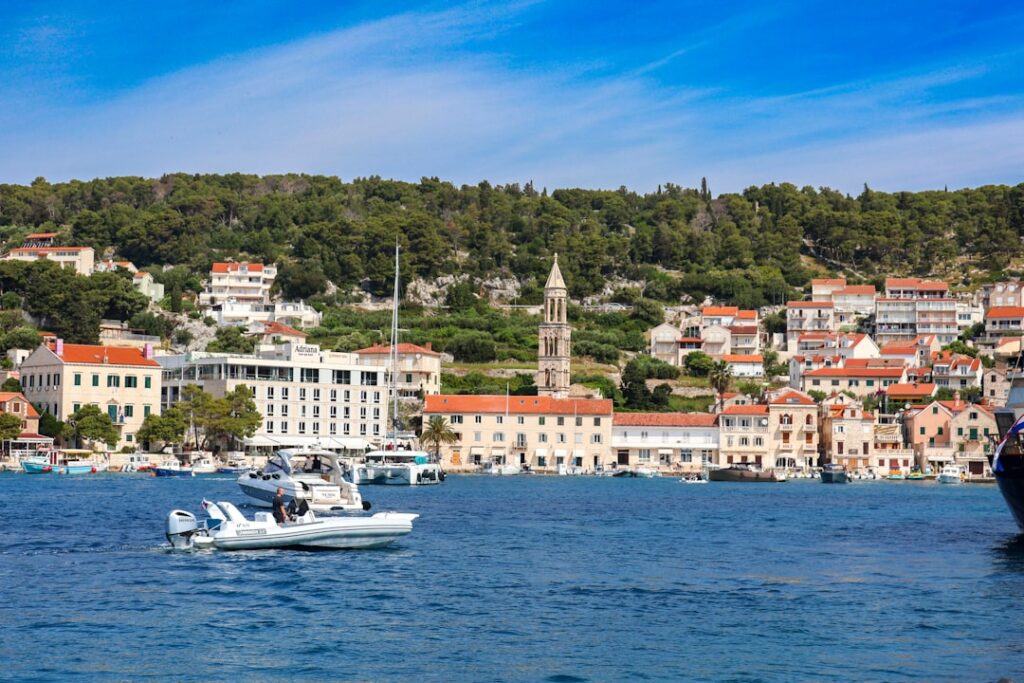
Hvar, a sun-drenched island in central Dalmatia, draws travelers from around the world with its white stone alleys, crystal-clear beaches and lively nightlife. But the tourist boom has also brought an increase in unregulated services: unofficial taxis, uninsured boat transfers, vehicle rentals without proper paperwork, fake agencies selling “exclusive” tours, and dining scams. If you don’t take a few simple precautions, these bogus services can turn a dream holiday into a bad experience — or worse, a financial or physical risk. This practical guide gives you the tools to spot, avoid and handle fake tourist services in Hvar, with precise addresses, indicative prices in euros, typical schedules and down-to-earth local tips.
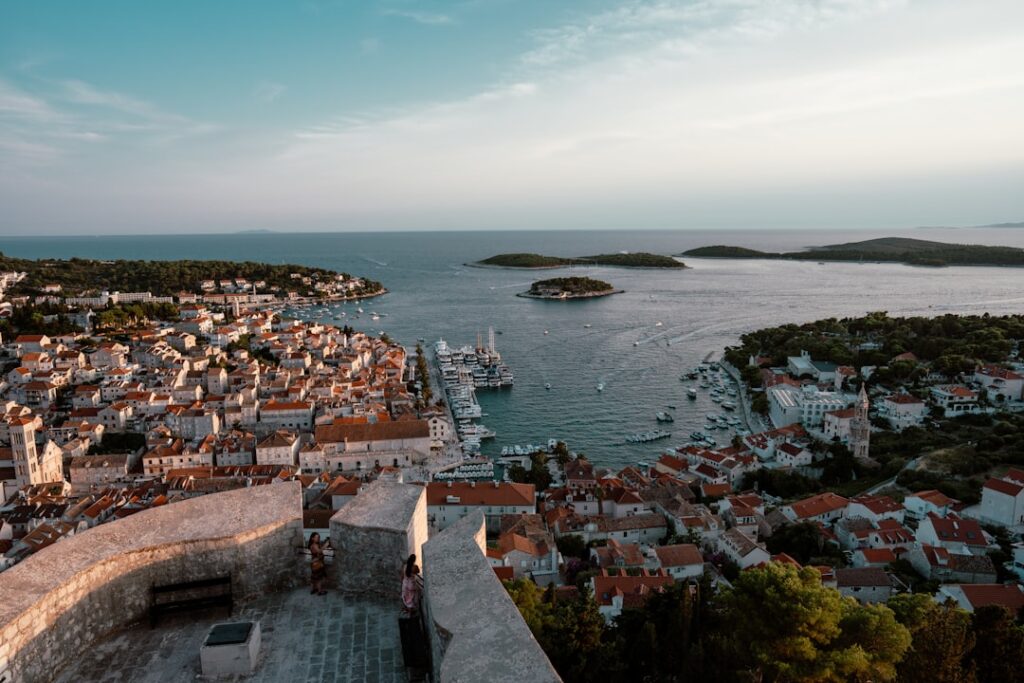
We cover Hvar Town (Grad Hvar), the Riva (waterside promenade), the Fortica (Španjola) fortress, the official harbor and connections to the Pakleni Islands (Pakleni Otoci), as well as Stari Grad and Jelsa. Each section includes real examples of scams observed on site, immersive descriptions of the areas so you can recognize warning signs, and practical steps: who to contact (local emergency numbers, official offices), how to check licences, what documents to ask for, and how to negotiate or refuse without causing a scene. The aim is to help you explore Hvar confidently while fully enjoying its scenery and heritage.
The guide also includes info on typical prices in high season (July–August) and off-season, usual schedules for official services (transport, tourist offices, local police), and concrete examples of scams to avoid — for example fake boat taxis offering very cheap round trips but lacking insurance, or restaurants advertising a “daily menu” at a price that doesn’t appear on the menu or the bill. We list trusted institutions: the Hvar Tourist Office, official quays, accredited rental agencies and the police stations where you can file a report.
Finally, this guide is written for all kinds of travelers: families, hikers, partygoers, divers and cyclists. The tips apply from the moment you arrive at the ferry terminal or connect from the airport, all the way to excursions to secluded coves in the Pakleni Islands. By giving concrete reference points (addresses: Trg Sv. Stjepana 1, Riva Hvar 21450, prices in euros, opening hours), we help you make informed choices for activities, transfers and meals. Read it carefully, keep it handy while you’re out and share it with your travel companions. It will help make your stay in Hvar relaxed and memorable.
1) Spotting fake taxis and water taxis: where problems occur and what to check
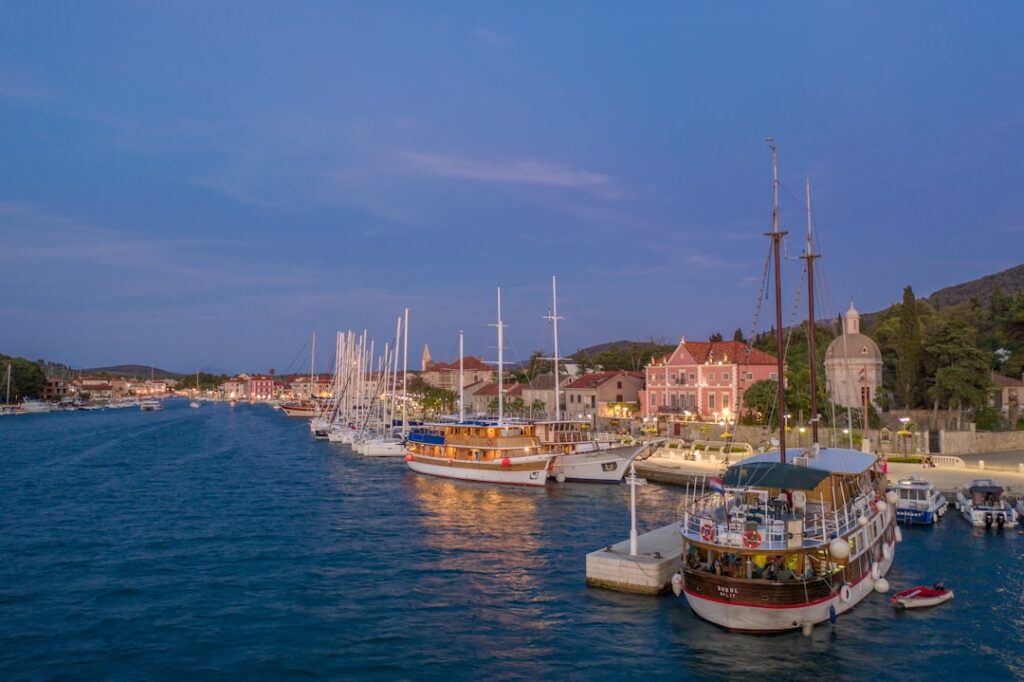
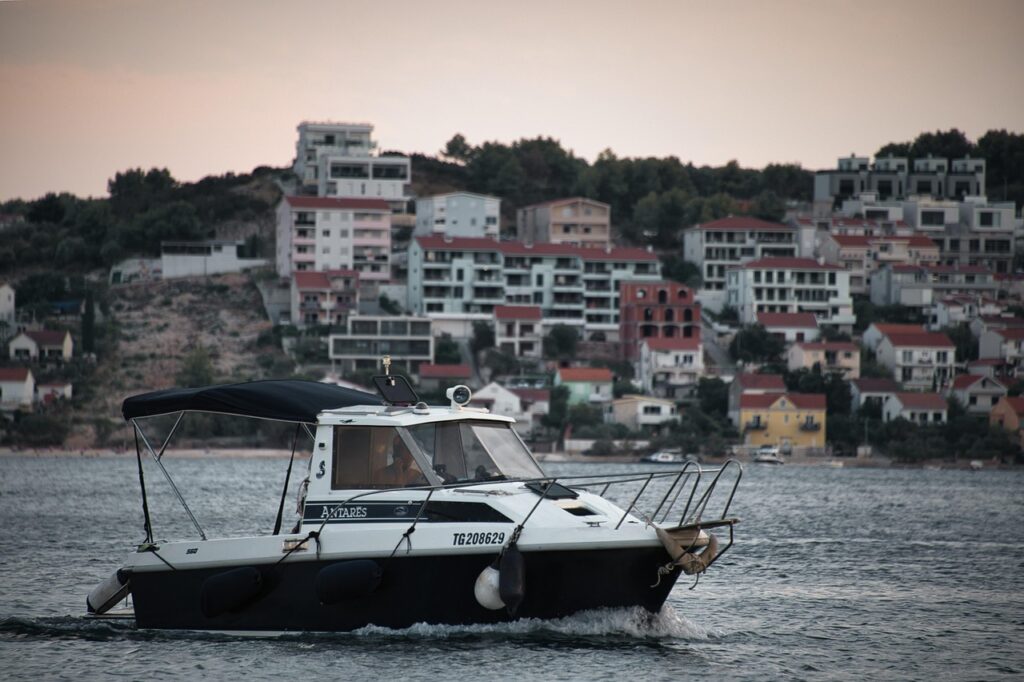
The taxi network on Hvar island includes licensed road taxis and water taxis that are in high demand during summer. The most common scams target tourists arriving at Hvar Town’s main harbour (Riva) or the Pakleni Islands dock: drivers not using the meter, uninsured sea transfers, or boats without a professional licence. To avoid trouble, start by locating the official pickup points:
- Hvar Ferry Terminal / Passenger Port — Riva, 21450 Hvar, Croatia. This is the main quay where ferries dock and where most licensed road taxis and registered water taxis operate. Be cautious of people who immediately approach you shouting your name to offer transfers: they may be legitimate private drivers or they may not.
- Licensed road taxis — Local taxis should display an ID number on the door and a licence inside the vehicle. A ride from the port to the Old Town (Trg Sv. Stjepana) typically costs between €3 and €6 depending on distance and time (indicative price in July–August). Always ask if the taxi will use the meter: a refusal is a reason to decline the ride.
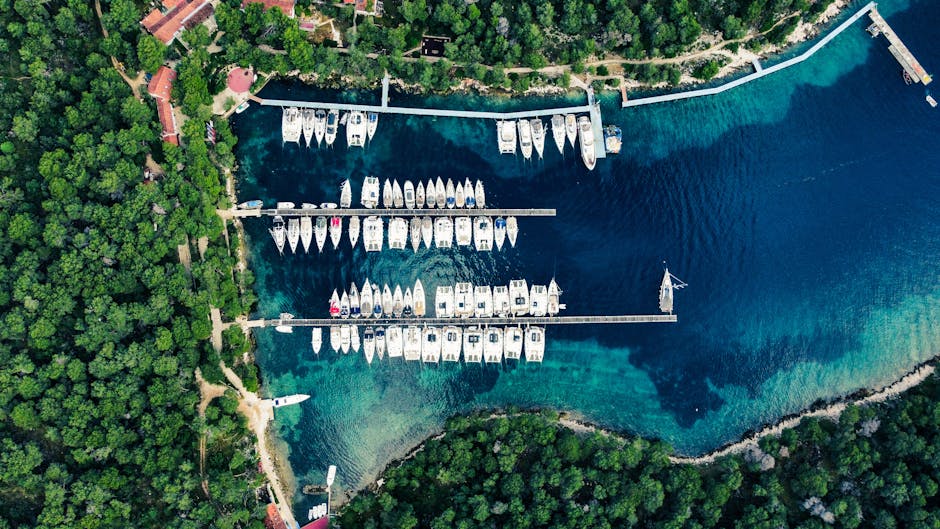
- Water taxi to the Pakleni Islands — Typical fare: €20–40 one way per person depending on the beach (Stipanska, Palmizana) and the season, or €25–60 for a private boat depending on size. Official operators often display a sign with the boat name, capacity and contact details. Insist on a receipt and check that there is a life jacket for each passenger.
Signs that the service is probably fake:
- No visible signage, licence or professional plate on the vehicle or boat.
- Price that’s too low compared to normal rates (e.g. a water taxi to Palmizana for €5 in high season): often the boat won’t return to the agreed pickup point or you’ll be charged additional fees on site.
- Pressure to pay cash immediately without a receipt, or a refusal to accept card payment if a terminal is available.
- The driver suggests taking a « more scenic route » without specifying the route or an estimated price — that can lengthen the trip and hike the fare.
Practical tips:
- Use official pickup points — for example the marked taxi ranks at the Port of Hvar (Riva) — and ask port staff or the Tourist Office (Trg Sv. Stjepana 1, 21450 Hvar) if they recommend a particular operator.
- For water taxis, note the boat’s name and registration number. Take a photo of the licence or sign if possible. Refuse to board if the boat looks overloaded or lacks safety equipment.
- For high-demand private transfers (e.g. Split airport → Hvar), book in advance through reputable providers (Jadrolinija for official ferries: Jadrolinija office in Split, or agencies accredited by the Hvar Tourist Office). Shuttle prices Split–Hvar in high season vary: high-speed ferry + shuttle combo ~€35–60 per person depending on route.
2) Boat trips and private tours: how to tell serious operators from scams
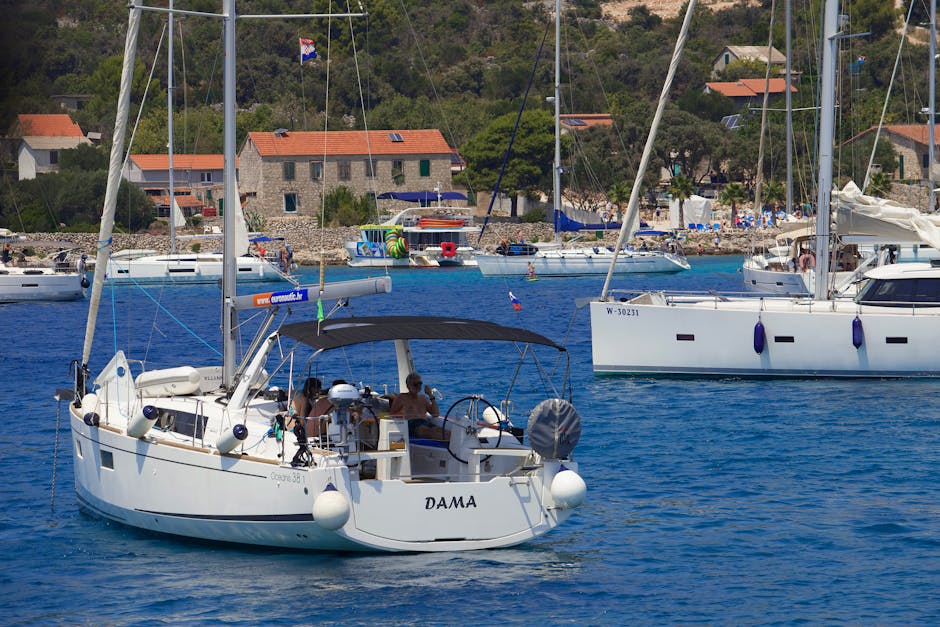
Boat tours are one of Hvar’s main attractions: cruising around the Pakleni Islands, diving, snorkeling, and cave visits. But many fake tours circulate — boats without insurance, “all-you-can” excursions that tack on extras, or trips that ignore environmental rules. Here’s how to assess an operator:
Essential checkpoints:
- Licence and insurance — Professional boats should display the captain’s licence and proof of insurance. Ask to see the insurance certificate or a photo of it. Reputable agencies provide these documents without hesitation.
- Capacity and safety — Licensed boats show their maximum passenger capacity. Check for life jackets for everyone. A boat that deliberately overloads is illegal and dangerous.
- Clear itinerary — A legitimate tour offers a clear route, departure times (e.g. departures at 09:00, 13:00, 17:00) and specific points of interest: Palmizana (Pakleni Islands), Stiniva Bay, Blue Cave (if included), and planned swim stops. Be wary of tours that improvise the whole trip.
- Transparent pricing — The price should include what’s advertised (e.g. snorkel gear, drinks, entrance fees). Indicative high-season prices: half-day shared boat trip ~€40–60 per person; private day trip (6–8 people) ~€250–600 depending on the boat’s size and level of comfort.
Common scam examples:
- Promise of exclusive access to a cove, then drop-off at a crowded beach and a surprise “landing fee” not mentioned beforehand.
- Fake guides claiming to be « official park guides » with no accreditation, offering expensive expeditions to ecologically sensitive caves.
- Tours advertising « diving included » but using worn-out equipment or lacking a certified guide, putting safety at risk.
Reliable addresses and reference points:
- Hvar Port / Riva, 21450 Hvar — Most reputable agencies have an official desk along the Riva or a presence on the main square Trg Sv. Stjepana 1, 21450 Hvar. Check online reviews but prioritize on-site verification (displayed licence, written contract).
- Pakleni Islands (Palmizana drop-off) — Experienced captains know Palmizana and Stipanska well and charge accordingly. A quick ride to Palmizana takes about 10–20 minutes and costs €20–40 depending on the boat.
Local tips:
- Book early in the morning to avoid unqualified boats that operate mainly in the afternoon and evening.
- If a tour seems suspicious, photograph the boat and the captain’s ID — these records are useful if you need to file a complaint with the Maritime Police or the Tourist Office.
- For diving trips, choose PADI/SSI certified centres with a clear address and posted opening hours. Example of a reputable dive centre (illustrative): Dive Center Hvar, Ulica Bolnica 12, 21450 Hvar — introductory dive rates ~€80–120.
3) Vehicle and scooter rentals: contracts, insurance and common traps
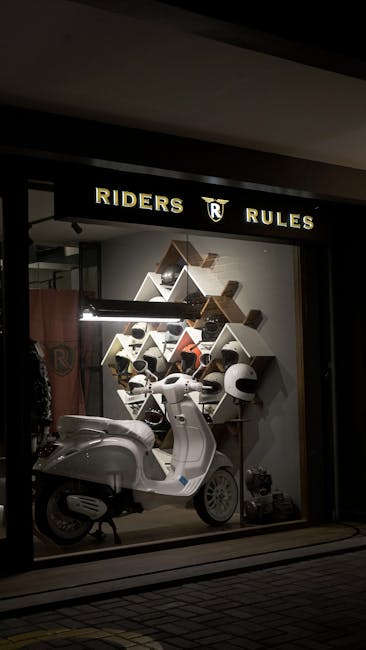
Car, scooter, e-scooter, quad and jet-ski rentals are all popular on Hvar. However, it’s also easy to fall victim to bogus rental companies that charge high excesses, invent damage on return, or hand over vehicles without proper insurance. Here’s what to check before you sign:
- Clear written contract — Any reputable rental company will give you a contract in English and Croatian listing mileage, vehicle condition, insurance coverage, excess, fuel policy and potential fees (cleaning, late return). Insist on a paper copy.
- Vehicle condition — Walk around the vehicle with the clerk and take dated photos (front, hood, tires, underside if visible). Photograph the odometer. Photos protect you from unfair claims later.
- Insurance and add-ons — Basic insurance (collision damage waiver – CDW) is usually included but comes with an excess. Companies will often offer reduced excess in exchange for an extra daily fee (e.g. lowering an €800 excess to €200 for €10–20 per day). Check whether that option is worthwhile.
Indicative rates (high season):
- Scooter rental: €30–60 / day depending on engine size and insurance.
- Compact car rental (Fiat/Opel): €55–120 / day depending on driver age and coverage.
- Jet-ski / personal watercraft: €90–200 / hour depending on power, usually with a deposit of €300–800 in cash.
Signs of a fake rental operator:
- No clear physical address: beware of « pop-up » renters who ask you to meet anywhere on the Riva to pick up the vehicle.
- Pressure for a large cash deposit without an official receipt, or a request to hold your passport as « security » without a signed contract.
- A vehicle that looks poorly maintained (worn tires, dubious brakes) — a sign the company is cutting corners on maintenance.
Recommended contacts and locations:
- Hvar Rent a Car (example of a reliable agency) — Riva 18, 21450 Hvar. Opening hours: 08:00–20:00 in high season. Vehicle checks, bilingual contracts, additional insurance options available.
- Hvar Scooter Rental (known agency) — Ulica Sveti Ivana 5, 21450 Hvar. Opening hours: 09:00–19:00. Helmets included, card deposits accepted.
Practical tips:
- Book through a reputable platform (e.g. Rentalcars, local Booking sites) and keep a copy of the contract and contact details. Check recent reviews (last 3 months) on Google/TripAdvisor, but also trust your judgment on site.
- Never sign a contract with blank fields. If something isn’t clear, demand written clarification immediately.
- If you’re accused of damage on return, ask for a detailed written report and the name of the repair shop. If things escalate, contact the local police — Policijska postaja Hvar (Police Station Hvar), Ulica kralja Tomislava 6, 21450 Hvar — and request an official report.
4) Restaurants, bars and bill scams: how to read the bill and avoid overcharging
Hvar offers a rich dining scene: traditional konobas (taverns) and upscale restaurants. Still, tourists can sometimes face inflated bills, dishes charged differently from the menu, or unsolicited “services.” To dine without unpleasant surprises:
Useful reference points:
- Trg Sv. Stjepana (St. Stephen’s Square) — Central address: Trg Sv. Stjepana 1, 21450 Hvar. Restaurants around the square often display prices on their menus. Reputable places like “Restaurant Dalmatia” (example) show menus in multiple languages and always provide a detailed receipt.
- Riva promenade — Many cafés and bars line the waterfront, but watch out for terraces that don’t clearly display prices. An espresso on the Riva in high season can cost €2–3, a glass of wine €5–8; significantly higher prices should raise an eyebrow.
Signs of a scam:
- Unrequested items added to the bill: e.g. “bread,” “olives” or “table service” charged without your explicit consent. If you don’t want an item, say so clearly before it arrives.
- Menu different from the one shown at the entrance: check that the menu on display matches the menu brought to your table.
- Tapas/skewers or dishes brought to your table “spontaneously” and then added to the bill under the guise of a language mix-up.
Practical tips:
- Ask to see the price list before you sit if it isn’t clearly posted. A menu — digital or paper — should list prices in euros or kunas (1 € ≈ 7.5 HRK; check the current rate).
- Request an itemized receipt: it’s mandatory. If the server refuses, refuse to pay and ask to speak to the manager.
- Avoid places that insist on charging “service” without explanation. Tipping is voluntary in Croatia — typically 5–10% if you’re happy with the service.
Example of a restaurant with good practices:
- Konoba Menego — Ulica Jurja Žižke 12, 21450 Hvar. Hours: 10:00–23:00. Clear menu, detailed bills, local meat and fish. Indicative prices: main course €12–25; dessert €4–7.
5) Fake guides, timeshares and aggressive solicitations: recognising sales tactics
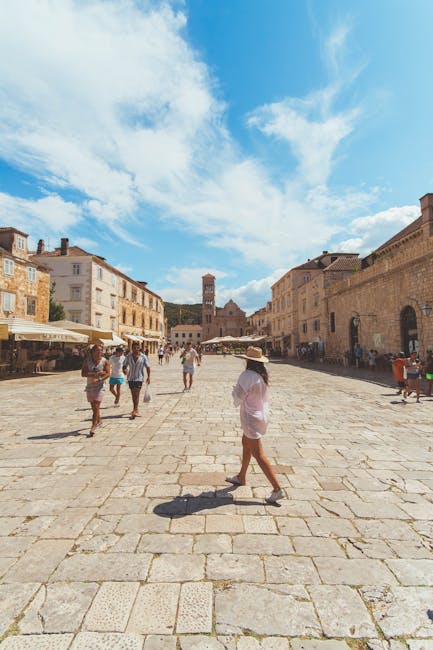
Aggressive sales techniques come in several forms: fake guides offering “free” tours then demanding large tips, timeshare pitches that promise discounts on restaurants or excursions in exchange for a hard sell, and pushy street vendors. Here’s how to respond:
Fake guides and “free” tours:
- “Free walking tours” are legitimate when advertised as such and when the guide states at the start that tips are expected. Be cautious of people claiming to represent the Tourist Office and offering “official” free tours that then take you into shops for pressured sales.
- Check affiliation: a professional guide should show an ID card or accreditation. The Hvar Tourist Office (Trg Sv. Stjepana 1, 21450 Hvar) keeps a list of accredited guides.
Timeshares, promotions and suspicious invitations:
- “Exclusive” presentation offers that promise gifts (a bottle of wine, a free tour) are often disguised timeshare pitches: what starts as a one-hour presentation can turn into hours of commercial pressure. Presentations are sometimes held in hotels or private apartments around the Riva.
- If the offer involves an « instant sign-up » or upfront payment, politely decline and walk away.
Street solicitation and hawkers:
- Souvenir sellers offering cheap items may be honest, but watch out for counterfeit goods (knock-off luxury brands). Buying a counterfeit can cause problems if you try to return it or claim a warranty that doesn’t exist.
- For valuable purchases (electronics, jewellery), use shops with a proper address and a receipt (e.g. a jewellery shop on the Riva with registered details).
Tips for handling pressure:
- Reply firmly but politely: “I’m not interested, thank you.” In Croatia, politeness often ends the approach.
- If you’re invited to a presentation, tell someone where you’re going, note the exact address and limit your time. Never hand identity documents or payment methods to unofficial people.
- If pressure becomes aggressive, contact the local police: Policijska postaja Hvar, Ulica kralja Tomislava 6, 21450 Hvar, phone: +385 (0)21 7xx xxx (check the number at the Tourist Office). For emergencies call 112.

Conclusion — Smart travel in Hvar: recap of best practices and useful resources
Hvar is a beautiful destination but, like any popular tourist spot, it attracts opportunists. To fully enjoy the island without getting scammed, remember a few simple but powerful rules: choose providers with a physical address and clear contracts (Tourist Office — Trg Sv. Stjepana 1, 21450 Hvar), insist on documentation (licences, insurance certificates, receipts), take dated photos when renting vehicles or inspecting a boat, and walk away from any offer that seems too good to be true. Keep the usual price ranges in mind: water taxis €20–40 one-way, scooter rentals €30–60 / day, shared half-day boat tours €40–60 — these benchmarks will help you spot abnormally low offers or inflated charges.
Prevention is your best defense: book in advance with recognised operators when possible, use official sales points on the Riva (Port of Hvar — Riva, 21450 Hvar) or agencies listed by the Tourist Office, and always ask for written evidence. If a dispute arises, document everything (photos, contracts, witnesses) and contact the local police (Policijska postaja Hvar, Ulica kralja Tomislava 6, 21450 Hvar) or the tourist office for assistance. For sea-related issues, reach out to port authorities or the Maritime Police via the main port as well.
Finally, enjoy Hvar with curiosity and respect: hike up to Fortica (Španjola) for panoramic views — the climb starts from Ulica Sveti Ivan (path up to the fortress above the historic center) — stroll the Riva at sunset, and head out early for a trip to the Pakleni Islands to avoid improvised afternoon operators. By following these practical tips and staying vigilant, you’ll turn every encounter into a safe and rewarding experience. Have a great trip and enjoy your stay on the island of Hvar — relax, but stay alert!