


Introduction — Hvar Anti-Guide: What They Won’t Tell You About Croatia’s Hottest Island
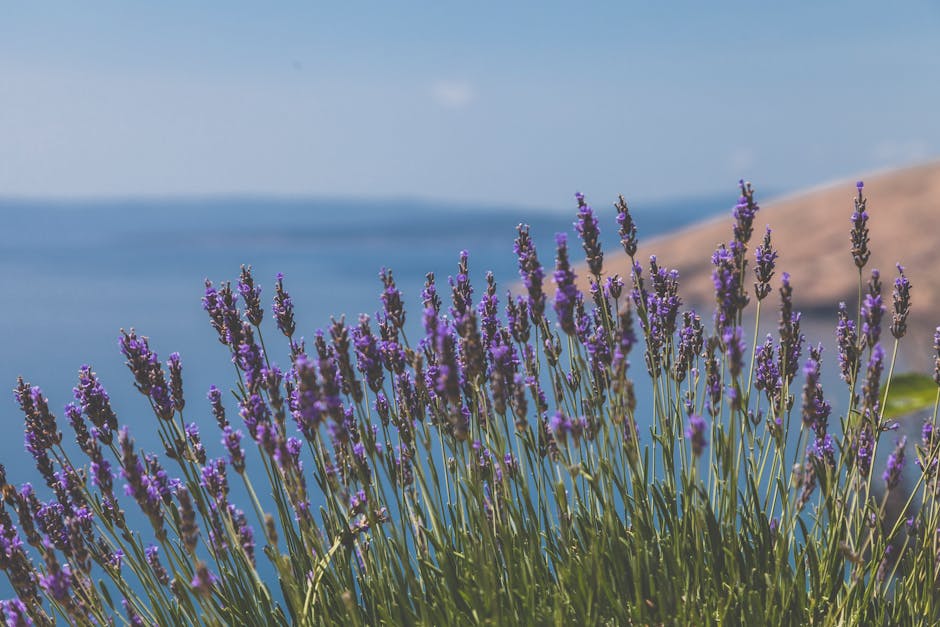
Hvar is sold as Croatia’s gem: glittering yachts, trendy clubs, lavender fields and narrow stone streets that smell of sun-baked rock. But behind the Instagram shots and glossy brochures lies a grittier, more everyday reality that’s not always as charming. This anti-guide isn’t an attack on Hvar — it’s meant to complement the usual tourist spiel with hard facts, exact addresses where possible, prices, opening times, and blunt local tips that are inconvenient but useful. You’ll learn where to dodge the crowds, how to pay a fair price, which beaches are actually worth the trip, and how to survive the nights when the party never seems to stop.
This guide is for the savvy traveler: someone who wants to enjoy Hvar without getting ripped off, who prefers a quiet cove to a packed bar, and who values time and money on holiday. I detail not only the must-see spots but also what most guides skip — port queues, full car parks, inflated night prices, variable quality of “local” dishes in tourist restaurants, and the seasonal tensions between high-end tourism and year-round residents.
You’ll find full place names, exact addresses where available, prices in euros (often indicative and subject to change), opening hours, and immersive descriptions to help you picture each spot. I also give practical tips: how to take the ferry, where to park, which beach suits your vibe (relaxation, snorkeling, mild naturism), and how to haggle for a taxi or boat trip to avoid surprises. I’ve included visual markers  for each important place to feed your imagination or to use in a travel journal.
If you’re only chasing “top photo spots”, this anti-guide sometimes goes against the grain: some highly photographed locations are overcrowded and underwhelming in person. Conversely, lesser-known corners offer authentic experiences: taverns where fishermen actually eat, beaches reached by steep paths, coves with crystal-clear water at dawn. This guide will help you tell showy from real and craft an itinerary that mixes icons with off-the-beaten-path gems.
1) Hvar Town: Between Glamour and Mass Tourism (where to go, where to flee)
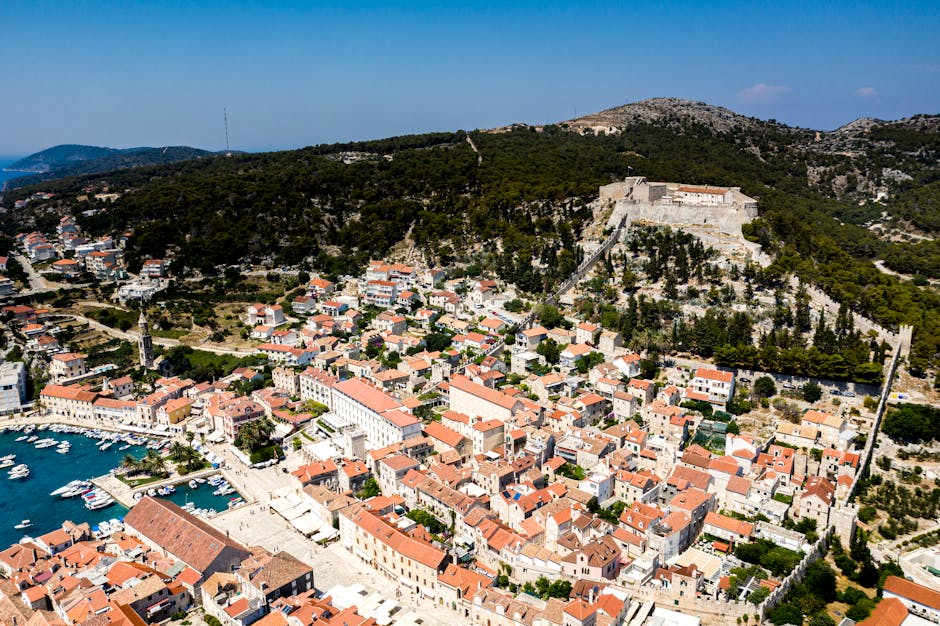
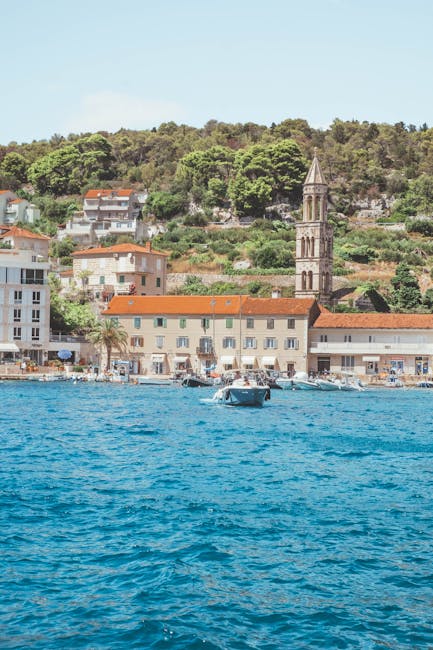
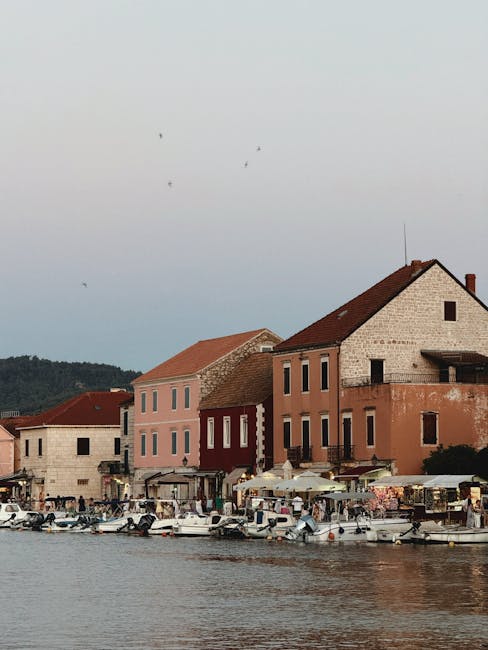
Hvar Town (officially: Grad Hvar) is the island’s beating heart. Key address: Trg Svetog Stjepana, 21450 Hvar, Croatia — the main square packed with cafes, bars and shops. The waterfront (Riva) sits at Obala Fabrika 1, 21450 Hvar, the departure point for trips to the Pakleni Islands. Walking Hvar Town means stepping on cobbles polished by centuries of traffic — and dealing with jammed alleys in high season (July–August).
Do: climb Fortica (Spanish Fortress) for the panoramic view. Approximate address: Hvarska tvrđava Fortica, Ulica kralja Tomislava 1, 21450 Hvar. Summer hours: usually 8:00–21:00 (seasonal); entrance fee: roughly €6–8 (50–60 HRK), varying by season. The walk up takes 10–20 minutes from the old town, with views over rooftops and yachts — arrive early to beat the heat and the crowds.
Avoid: the stretch of the Riva between 18:00 and midnight when most bars blast music and cocktail prices can range from €12 to €25. For example, Hula Hula Beach Bar (Obala Fabrika 2, 21450 Hvar) draws a party crowd — expect an evening cocktail to be around €15; happy hours are rare. If you want something calmer, pick a bar tucked into a side street or up on the hill.
Local tips: for a good meal that isn’t overpriced, steer clear of Riva restaurants after 20:00. Recommended spots: Dalmatino (IV. Gardijske Brigade 10, 21450 Hvar) — Dalmatian cuisine, mains €12–22; Giaxa (Ulica Prohaskovića 5, 21450 Hvar) for a more refined local dining experience, mains €18–35. Try to arrive before 19:00 or reserve ahead (phone numbers are usually on their websites). Seafront terraces often charge more — walk 2–3 streets inland for better value.
2) The Pakleni Islands: Paradise (and Pitfalls) for a Day Trip
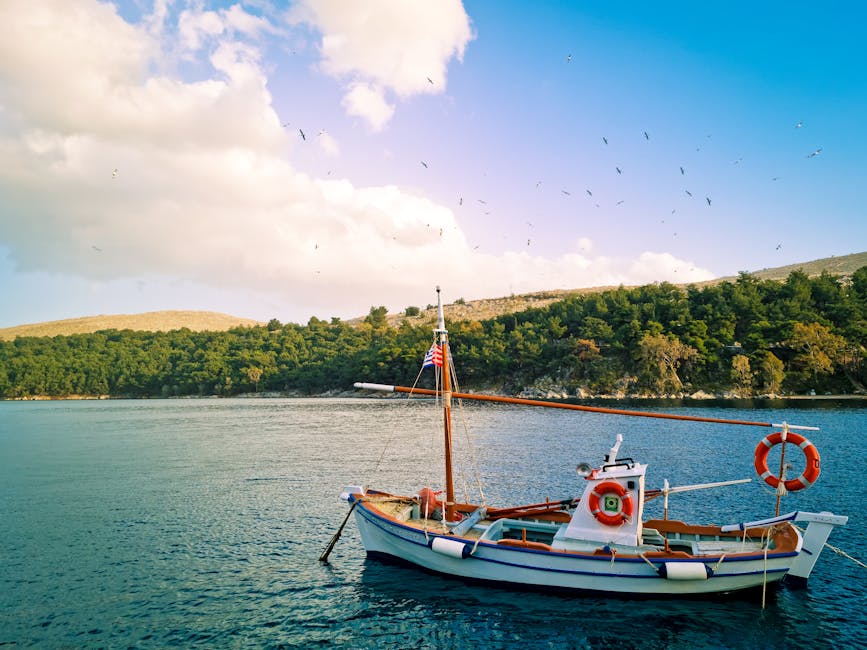
The Pakleni Islands (Pakleni Otoci) are a chain of islets reachable by boat from Hvar Town. Departure point: Hvar Ferry Port, Obala Fabrika 1, 21450 Hvar. Options: public ferry, taxi-boat, or boat rental. Indicative prices: public ferry to Palmižana/Marinkovac about €4–8 round trip; private speedboat taxi €20–50 per person depending on distance and group size; small boat rental without a license around €90–150 per day (fuel not included).
Palmižana (Marinkovac) is the most visited beach/harbor — useful address: ACI Marina Palmižana, Palmižana 2, 21450 Hvar (on the island of Sveti Klement). Restaurants like Laganini Lounge Bar & Fish House (Palmižana 5) serve fish dishes for about €20–35. The harbor may look idyllic but in July–August it feels like a busy station and prices are inflated. Opening times: most places open around 9:00 and close between 22:00–23:00 depending on demand.
Anti-pitfall tips: leave early (8:30–9:00) to enjoy near-empty coves in the morning. If you rent a boat, inspect it carefully (fuel level, life jackets, engine condition) and ask for a written rental agreement. Avoid cheap “open-bar” boat tours that cram too many people on board and give you little swim time. For snorkeling, favor the rocky coves around Marinkovac and Jerolim rather than sandy, crowded beaches.
3) Beaches, Coves and Water Quality: The Reality Behind the Turquoise
Hvar’s coastline offers variety: pebble beaches, rocky coves, and small stretches of man-made sand. Some spots have some of the clearest water you’ll find in the Mediterranean; others are crowded or tricky to reach. The sea is generally crystalline, but boat traffic, crowds and seasonal seaweed can affect the experience.
Recommended beaches:
- Sveta Nedjelja Beach (Sveta Nedjelja, 21450 Hvar) — rocky beach with a few facilities, reachable by car or boat. Limited parking near the road. Nearby local café Konoba Vrisnik serves dishes for €8–20.
- Dubovica Beach (Dubovica, 21450 Hvar) — small pebble bay reachable via a ~20-minute path from the coastal road. Parking: Dubovica parking area, 21450 Hvar. There’s no big restaurant on-site, so bring water and snacks or grab the small konoba by the parking area.
- Jerolim Beach (Pakleni Islands) — shared naturist-friendly beach with clear water, reachable by taxi-boat. Taxi-boat Hvar–Jerolim: about €6–12 one way depending on season.
Practical tips: always bring water shoes for rocky coves. Sunbeds and umbrellas on private beaches can cost €8–20 per day. If you want to avoid these fees, arrive early and claim a flat rock for your towel — but in summer shade becomes precious.
Water quality: water is usually very clean, but watch out near marinas and busy ports. Large boats can stir up sediment and occasionally leave oil residues. For the best snorkeling, look for sheltered areas without heavy anchoring — Hvar’s south coast and western coves are often better.
4) Nightlife, Safety and Local Economy: What a Night in Hvar Really Costs
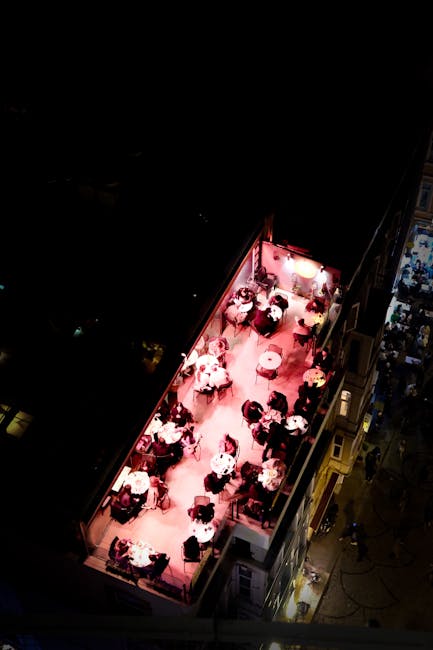
Hvar is famous for its nightlife. From lively Riva bars to exclusive clubs like Carpe Diem Beach Club (address: Carpe Diem Beach, Stipanska 1, Pakleni Islands — access by boat from Hvar Riva), the island draws an international crowd ready to spend. But that partying comes with costs and limits you should know.
Indicative prices (summer): cocktail on the Riva €12–20; club entry (Carpe Diem/Carpe Diem2) €10–30 depending on the event; reserved table with a bottle €200–600 minimum. A night taxi from Hvar Town to Stari Grad: €25–40; night boat taxi between the Riva and Pakleni Islands: €15–30 one way. Prices can double for services after 23:00 or during special events.
Safety: overall, Hvar is safe. Still, alcohol plus crowds lead to minor incidents: pickpocketing, scuffles, and occasionally aggressive behavior after midnight. Emergency services (local police and ambulance) are reachable, but response times can be longer in peak season. Keep photocopies of your documents, don’t leave valuables unattended on the beach, and note the local police station — centar policije Hvar: Trg Svetog Stjepana (phone available on the municipal site).
Economic and social impact: mass tourism benefits some (hoteliers, bars, agencies) but strains residents (homes converted to short-term rentals, rising food and housing prices). To support the local economy responsibly, favor family-run taverns (konoba), buy local artisan products (olive oil, lavender) and choose excursions operated by registered local companies.
5) Accommodation, Transport and Tips to Avoid Getting Scammed
Where to sleep: Hvar has everything — hostels, private apartments, boutique hotels and luxury villas. Expect high prices in July–August. Price ranges: hostel €20–40/night in a dorm; central apartment €70–200/night; 3–4 star hotel €120–350/night; luxury villas/private rentals €400–1500/night depending on size and sea-front location.
Useful addresses:
- Adriana Hvar Spa Hotel (Obala Fabrika 3, 21450 Hvar) — 4-star hotel with spa and rooftop bar. Price: €150–350/night in high season. Check-in 14:00, check-out 11:00.
- Amfora Hvar Grand Beach Resort (Uvala Jelsa bb, 21450 Hvar) — large resort with private beach. Price: €180–400/night in high season.
- Hostel Villa Štikovica (Ulica XX, example local hostel) — many small guesthouses inside the town from about €30/night. Book early for July/August.
Transport: the main road circles the island; there are local buses between Hvar Town and Stari Grad (regular line). Bus fare: about €3–6 depending on distance. The main ferry to the mainland leaves from Stari Grad (Trajektna luka Stari Grad, Magistrala 1, 21460 Stari Grad) to Split: roughly €8–15 per person depending on season and ferry type. It’s wise to buy round-trip tickets and arrive 30–45 minutes before departure in high season.
Tips to avoid scams: be wary of unofficial taxis at the port asking extortionate flat rates; insist on the meter or agree on the price before you get in. For boat trips, ask about insurance and get a written contract. When buying crafts, compare prices across shops: local olive oil (250 ml) should be around €6–12, not €30 everywhere. Also check menus in both English and Croatian — sometimes tourist prices are listed differently.
Conclusion — How to Enjoy Hvar Without Falling for Clichés
Hvar deserves its reputation, but it takes preparation and a critical eye. To get the best out of the island, balance the iconic with the intimate: in the morning explore deserted coves or lavender trails; in the afternoon visit Fortica before the crowds; at night pick a good konoba inside town rather than a noisy tourist bar on the Riva. Booking ahead in high season will save you time and money, and prefer reputable local operators for calm sea outings.
This guide has given concrete addresses, indicative prices in euros and usual opening times, but remember: what you find on site will vary with seasons and the economy. Be respectful toward locals and the environment — don’t leave trash on beaches, avoid anchoring on posidonia meadows, and support small local businesses where you can. Those actions protect the island and make the experience better for everyone.
Finally, keep in mind that the anti-guide isn’t trying to put you off — it aims to make you smarter and more relaxed. Hvar can be paradise if you go with realistic expectations and simple strategies: start early, book smart, favor quality over flashy cheapness, and be willing to stray from the most “hype” spots to find authenticity. Safe travels — and take the time to listen to the island, not just your Instagram feed.